
THE Bursa Carbon Exchange is expected to hold Malaysia’s inaugural Technology-Based Biomass Carbon Credits Auction on September 29, 2026.
According to TA Securities, the initiative centres on collecting underutilised biomass waste from palm oil plantations, manufacturing facilities and municipal tree-trimming operations, before converting these materials into renewable energy.
The project has already achieved substantial scale. Between November 2023 and December 2024, around 165,544 tonnes of biomass waste—equivalent to roughly 16,500 truckloads—were recovered instead of being discarded.
These recovered materials generated about 2,080 terajoules (TJ) of renewable thermal energy, enough to produce approximately 750,000 tonnes of industrial steam, while also generating 578,125 megawatt-hours (MWh) of renewable electricity.
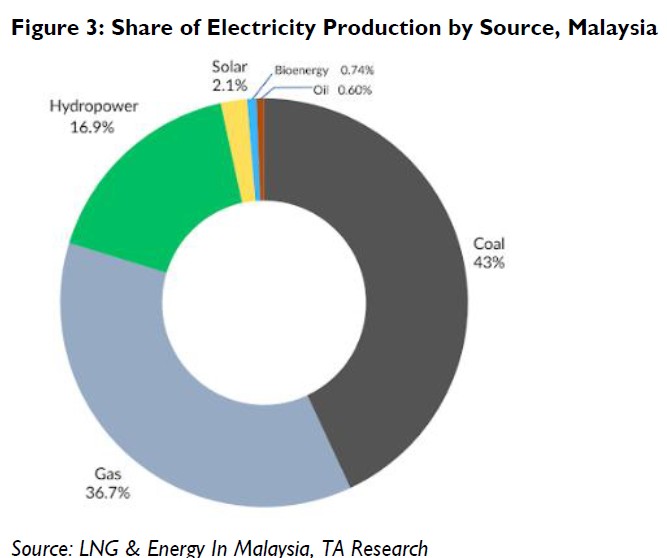
According to Climate Quest, this amount of electricity could meet the annual power needs of around 96,000 Malaysian households.
Feedstock for the Malaysia Grouped Biomass Waste Recovery and Utilisation Project consists mainly of underutilised biomass residues sourced from northern Peninsular Malaysia.
The project’s primary feedstock sources include:
1/ Palm oil residues, particularly Empty Fruit Bunches (EFB) generated by palm oil mills.
2/ Municipal green waste, including tree branches, trunks and roots collected from local councils, contractors and residential developments.
3/ Industrial and agricultural biomass residues generated from manufacturing operations and other agricultural activities.
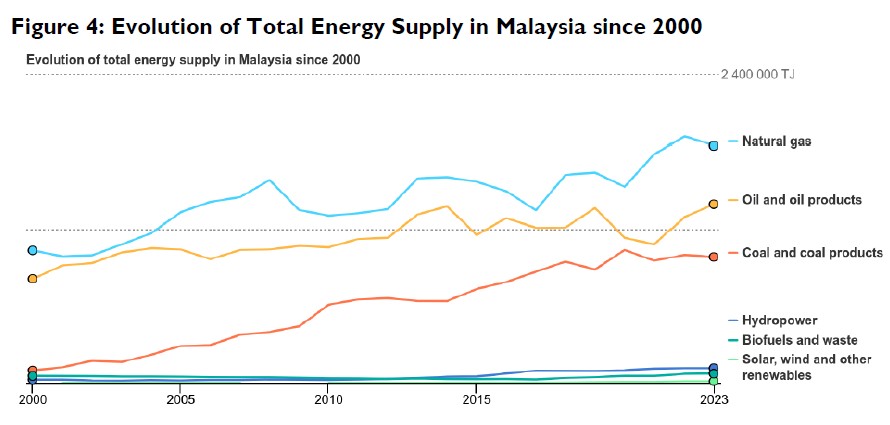
Importantly, the project’s grouped structure provides significant scalability. While the initial project activity is centred in Penang, the framework is designed to incorporate eligible biomass waste owners and facilities across Malaysia under a single carbon programme.
This enables the project to progressively expand its feedstock base nationwide, creating a scalable platform for biomass waste recovery, renewable energy generation and future carbon credit issuance.
The upcoming auction will offer approximately 215,000 tCO₂e of carbon credits under the Malaysia Technology-Based Carbon Contract (MTC) framework, covering vintages from 2023 and 2024.
“Nevertheless, in our view, the proposed pricing is reasonable and reflects differences in project attributes rather than any discount to the quality of the carbon credits,” said TA.
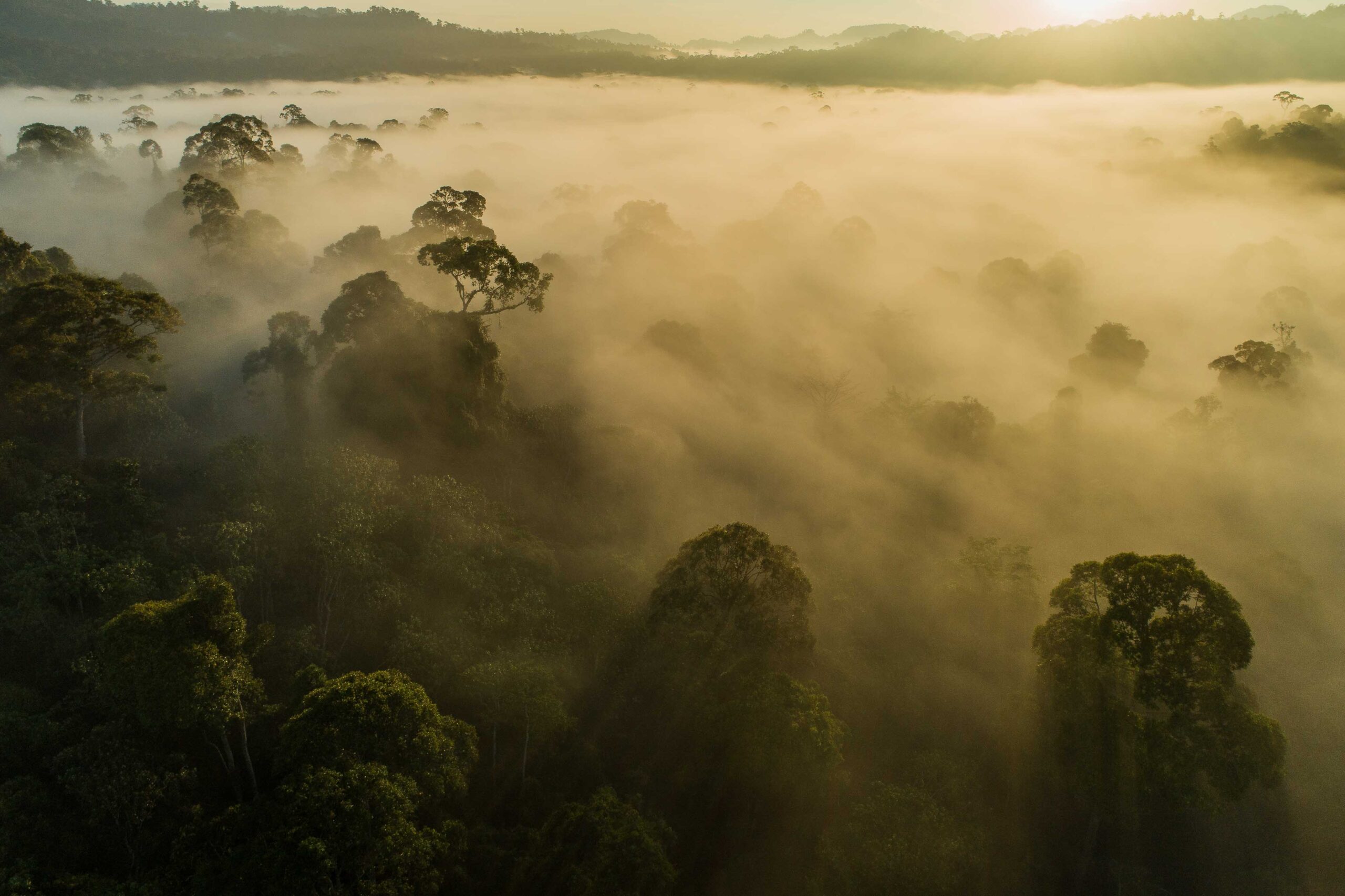
The research house believes the higher clearing price for the Kuamut Rainforest project stems from benefits that extend well beyond carbon abatement.—July 21, 2026
Main image: Permian Global