
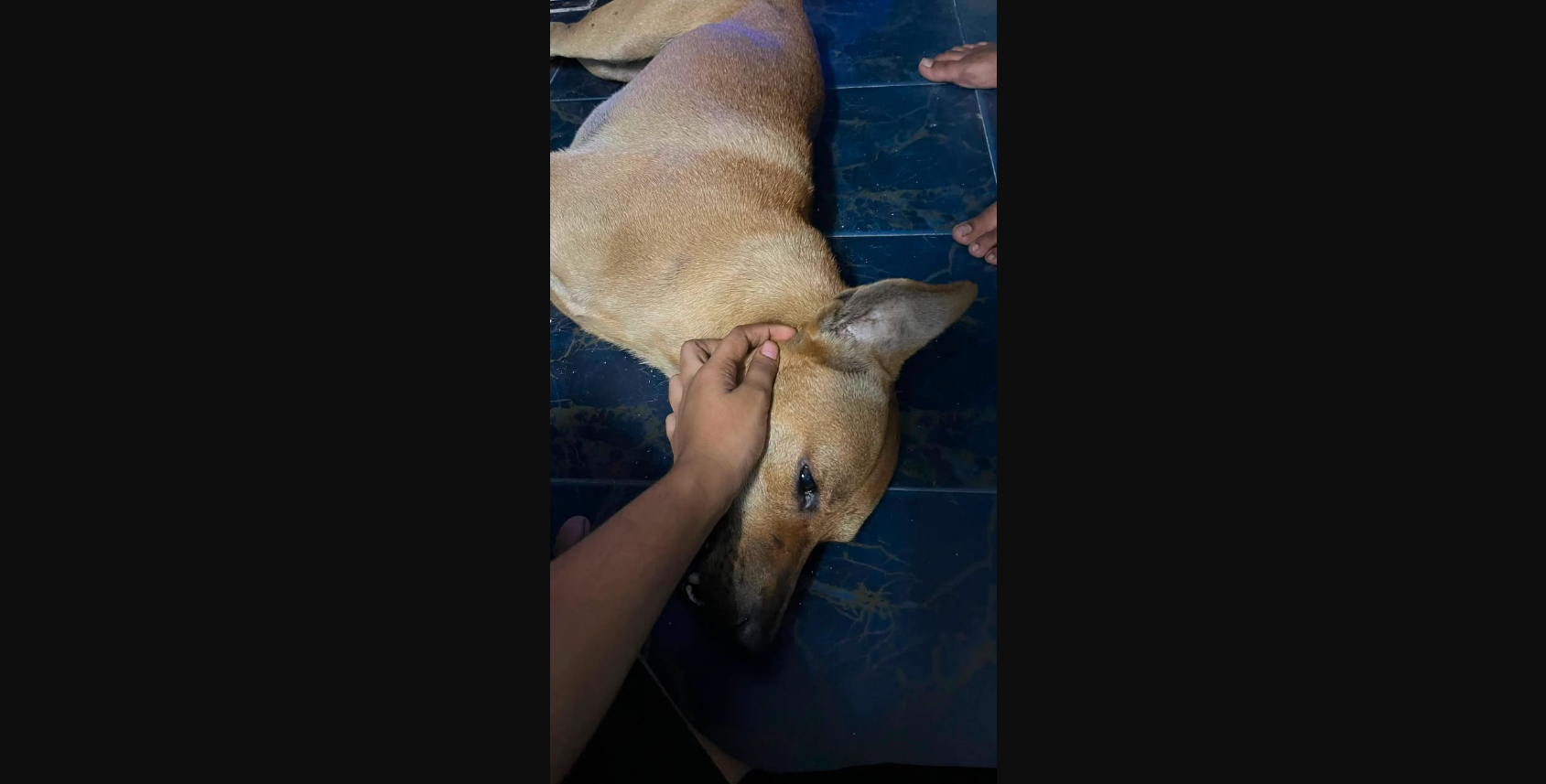
MCA Youth has called for a transparent investigation into the death of Rocky, a domesticated dog allegedly killed during a stray animal capture operation in Port Klang, while urging local authorities to adopt more humane enforcement practices and prevent public interference in official operations.
MCA Youth information chief Neow Choo Seong said both the Majlis Bandaraya Diraja Klang (MBDK) and the Selangor state government must provide a full explanation of the incident, which occurred in Taman Teluk Gedung Indah.
The case has sparked widespread public outrage after videos circulating online allegedly showed Rocky being restrained with a rope around its neck before being beaten during an operation to capture stray dogs.
Animal welfare groups and members of the public have questioned the conduct of those involved, with the dog’s owner reportedly pleading for Rocky to be released into her care.
Neow said reports suggesting members of the public participated in or interfered with the enforcement operation were particularly troubling.
“Why were unauthorised individuals permitted to be involved in an enforcement exercise? Such conduct resembles vigilantism and has no place in any operation carried out by a local authority,” he stressed.
He said if investigations confirmed allegations that Rocky had been subjected to unnecessary suffering before its death, those responsible should be prosecuted under the Animal Welfare Act 2015, which provides for fines ranging from RM20,000 to RM100,000, imprisonment of up to three years, or both, for acts of animal cruelty.
Neow noted that the incident also revived memories of the 2024 killing of Kopi, a well-known stray dog that was shot by personnel from the Besut District Council.
“Instead of learning from past mistakes, we are witnessing yet another incident that undermines public confidence in the humane treatment of animals,” he said.
He urged MBDK to review its enforcement procedures by working with recognised animal welfare organisations and shelters, while expanding the use of Trap-Neuter-Release (TNR) programmes to manage stray animal populations more humanely.
Neow said TNR had long been advocated by animal welfare organisations and had already been adopted by several local authorities as a sustainable approach to reducing stray populations.
He also questioned whether local authorities were placing disproportionate emphasis on catching dogs instead of addressing rodent infestations, which pose a greater public health risk through diseases such as leptospirosis.
“Effective enforcement should be guided by science, professionalism and compassion, and certainly not by excessive force against defenceless animals,” he emphasised. ‒ July 31, 2026
Main image: The Sun