
THE ONGOING conflict involving Iran has severely disrupted the flow of naphtha from the Middle East, creating ripple effects across the petrochemical industry.
In response, producers in South Korea, China, Taiwan and Japan have scaled back operations, temporarily halted certain facilities, or invoked force majeure clauses.
Data from BloombergNEF indicates that East Asia’s naphtha supply is particularly vulnerable, with more than 37% of global seaborne shipments passing through the Strait of Hormuz.
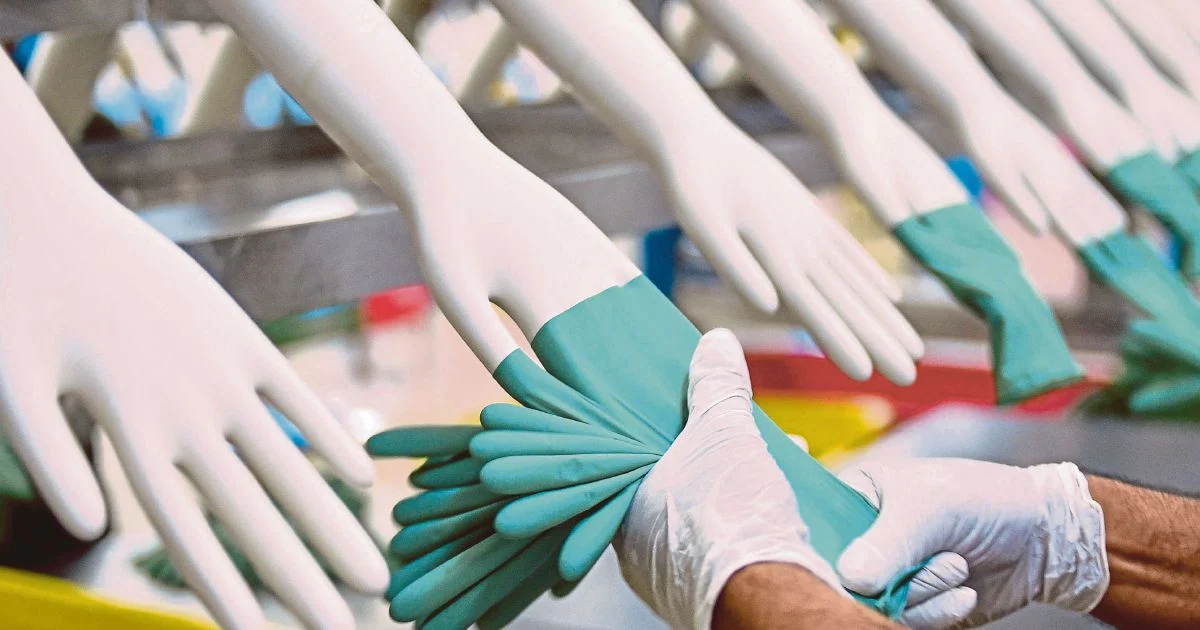
These same markets also serve as key suppliers of nitrile butadiene rubber (NBR), a critical raw material for Malaysian glove manufacturers.
“We believe other Southeast Asian glove producers also exhibit a similar import dependency profile,” said Hong Leong Investment Bank (HLIB).
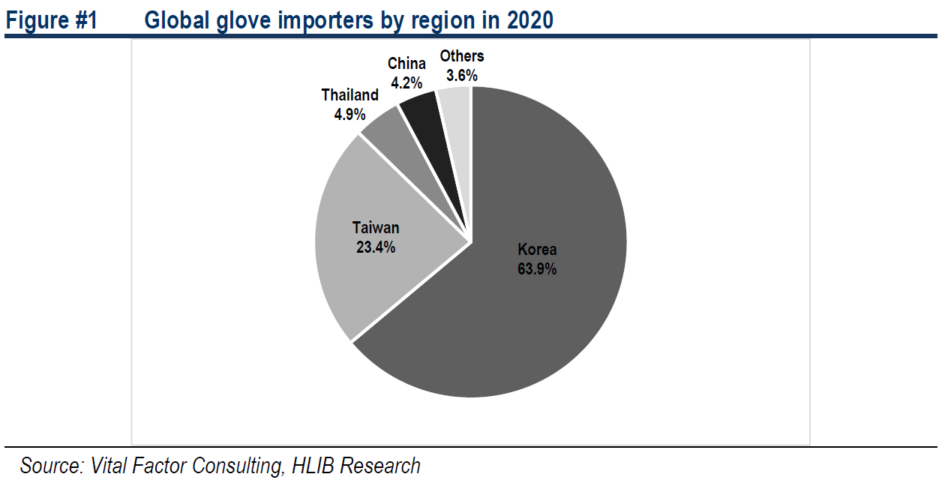
In their view, larger glove producers are likely to benefit from the above-mentioned scenario, likely at the expense of smaller players due to two key factors, supply concentration and cash constraints.
Smaller players often depend on a single NBR supplier. During disruptions, they may struggle to secure alternative sources, as new suppliers prioritise established buyers with stronger credit profiles and proven track records.
Since 19 March, NBR suppliers have been requiring 20–30% down payment, with the potential for higher prepayments if geopolitical tensions persist.
In a low-margin environment, such prepayments materially strain working capital, effectively raising the financial barrier to operating in the medical glove sector.
Even the three largest Malaysian glove players, Top Glove, Hartalega, and Kossan, reported subpar return on equity.
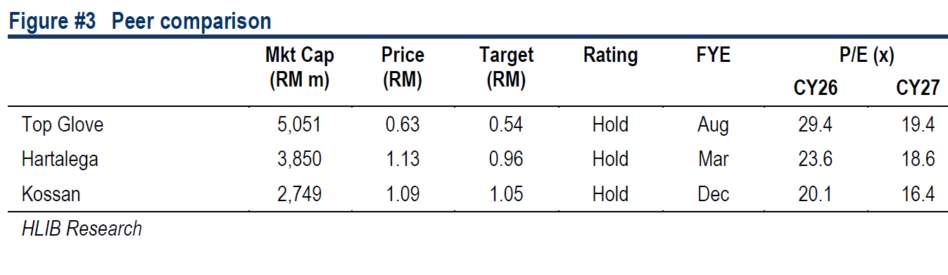
“For smaller players, we think it is plausible that a combination of raw material shortages and temporary plant shutdowns could encourage them to permanently exit the market,” said HLIB.
For now, HLIB maintains their Neutral stance on the sector as their highlighted thesis is premised on the Iran war being a prolonged one.
That said, this report serves to highlight that the longer the Iran war lasts, it could paradoxically accelerate the market’s return to equilibrium by weeding out weaker producers. Currently all three glove makers under their coverage are rated Hold. —Mar 31, 2026
Main image: New Straits Times