
PEMERKASAAN Ilmu dan Teknologi untuk Aspirasi Rakyat (PINTAR), a national education initiative aimed at empowering Malaysian students through science, technology and innovation, is targeting the expansion of its programme into three additional states in 2027.
The planned expansion to equip another 20,000 pupils with essential technological and future-ready skills follows the successful completion of PINTAR’s eight-month pilot phase which reached 12,240 pupils across 178 schools in Terengganu, Pahang and Putrajaya between March and October 2026.
The initiative was established to address the growing need to prepare Malaysia’s younger generation for an increasingly technology-driven economy, particularly pupils who may otherwise have limited exposure to emerging technologies.
“Malaysia’s future competitiveness will depend not only on our investments in infrastructure, industries and technology but also on our ability to develop the next generation of skilled and innovative Malaysians,” observed PINTAR Chairman Syed Azaudin Syed Ahmad.
“PINTAR is about democratising access to technological education. We want every Malaysian child regardless of their socio-economic background to have the opportunity to explore, learn and develop the skills needed to succeed in tomorrow’s economy.”
The encouraging results from the pilot phase demonstrated the potential for PINTAR to be expanded into a broader national programme through collaboration between educational institutions, government agencies, corporate organisations and community stakeholders, according to Syed Azaudin.
“Our target of reaching another 20,000 puoils in 2027 represents the next phase of our ambition to build a more inclusive and technologically capable generation,” he enthused.

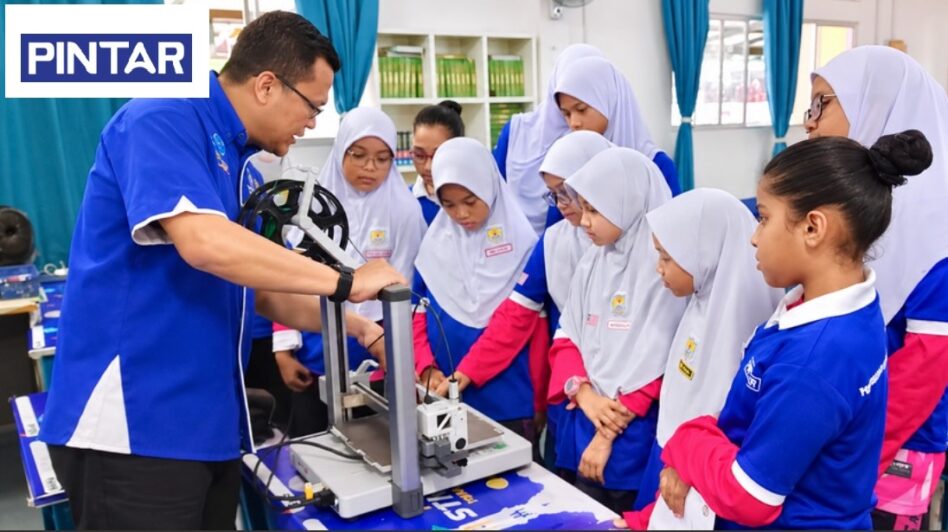
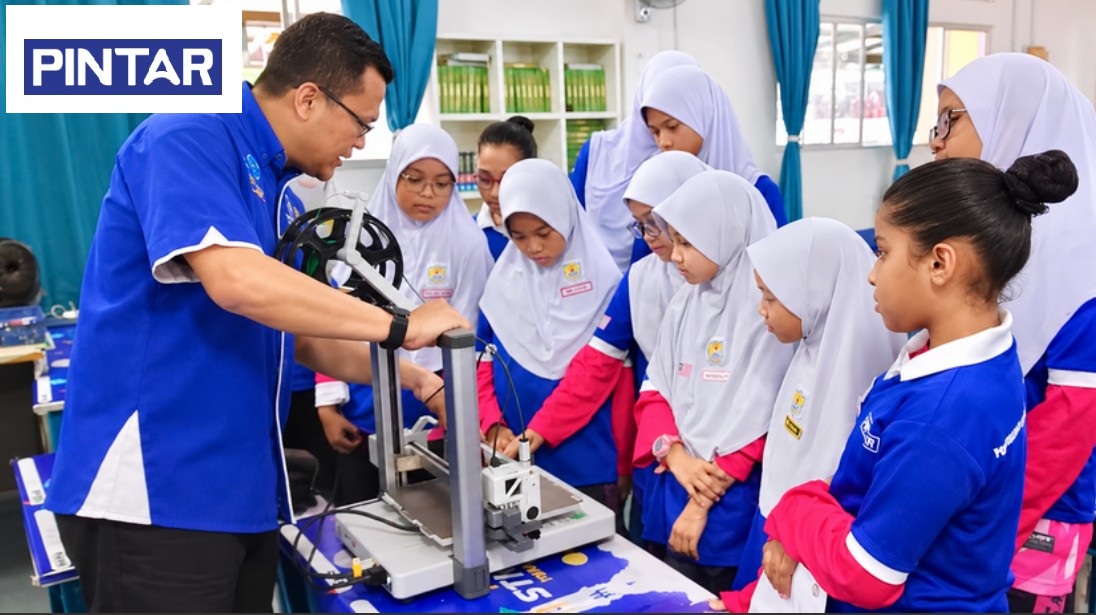
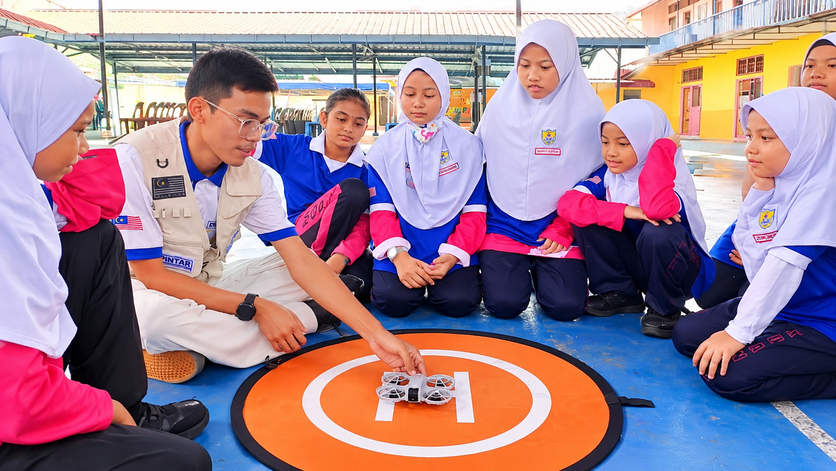
Unlike conventional classroom programmes, the PINTAR STEM (science, technology, engineering and mathematics) iitiative adopts an interactive, hands-on learning approach in which pupils participate in practical technology-based activities during school hours.
These include exposure to robotics, drone and aerospace technology, mobility, design and artificial intelligence (AI), thus providing pupils with opportunities to develop problem-solving abilities, creativity and an interest in science and engineering.
The programme’s educational modules are developed in collaboration with higher education institutions with Universiti Malaysia Pahang Al-Sultan Abdullah (UMPSA) involved in developing its STEM module.
PINTAR is also preparing to introduce additional modules covering AI collaboration with the University of Nottingham and the orange economy with Sunway University.
The initiative’s operating model emphasises practical learning, measurable outcomes and collaboration with established educational institutions, according to PINTAR director Ridhwan Rosli.
“Our approach is to complement the existing school curriculum by bringing practical technological experiences directly into schools,” he explained.
“Rather than simply introducing students to theoretical concepts, we allow them to interact with technology, experiment and discover their own capabilities.”
Above all else, PINTAR operates under a social enterprise model designed to balance financial sustainability with educational accessibility.
Under the programme, asnaf pupils (qualified zakat recipients) and eligible children identified through the Social Welfare Department (JKM) receive full sponsorship while other participating pupils pay only half of the programme’s cost with the balance subsidised by PINTAR.
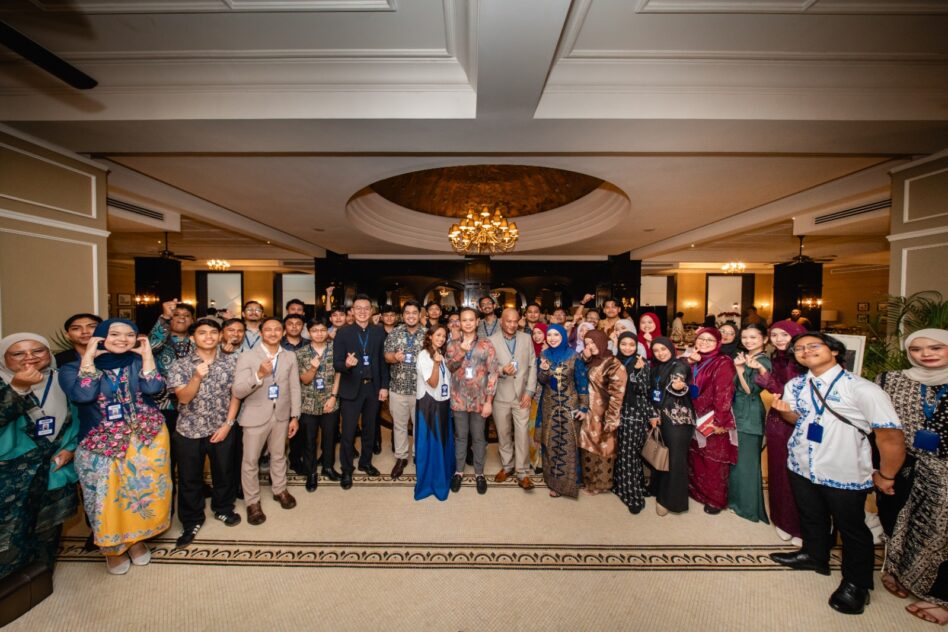
PINTAR recently celebrated the completion of its pilot phase with an Appreciation Afternoon Tea at The Majestic Hotel Kuala Lumpur.
The gathering brought together stakeholders, strategic partners and supporters, including the Malay Consultative Council (MPM) as a strategic partner and Permodalan Tanah Melayu Bhd (PTMB) as sponsor, to recognise their collective contributions to the initiative’s achievements. – Nov 12, 2026