
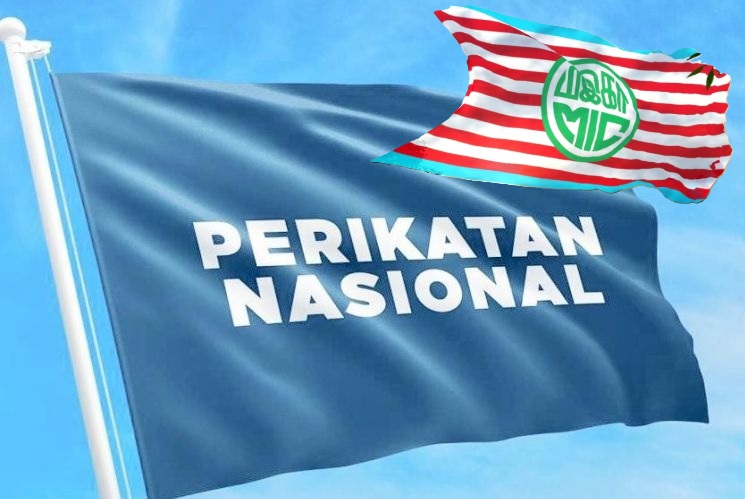
WHETHER the MIC or even MCA leaves the fold of Barisan Nasional (BN) to embrace the opposition Perikatan Nasional (PN), the most important question is whether the Indians will withdraw their support for the Pakatan Harapan (PH)-led coalition.
MIC’s decision to contemplate leaving the BN primarily due to its on-going problem with UMNO is severe test for the multi-racial PH coalition.
Beginning from the 2023 state elections, Indian support has gradually declined for the ruling coalition government.
Prime Minister Datuk Seri Anwar Ibrahim’s drama of mimicking popular Tamil movie stars had an ephemeral effect on the Indian community.
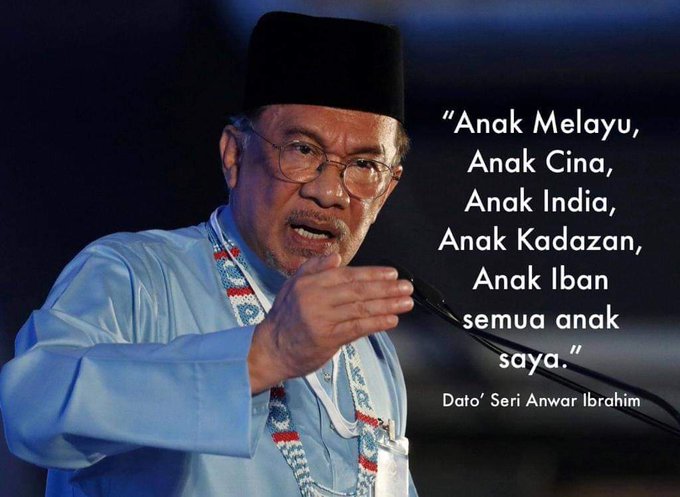
Anwar who is three years in power seems to have exhausted his dramatic appeals to the Indian community.
‘Symbolic blow’
The source of problem in BN is essentially between UMNO and MIC. It doesn’t take rocket science to know that the MIC has been given a cold shoulder by UMNO.
The long carefully cultivated relationship between UMNO and MIC has vanished in the thin air.
UMNO’s disrespect for the Indian party, the denial of political posts and others have undermined the trust and confidence of the MIC.
Recently there have been some overt and covert moves by the PN’s leaders to court the MIC.
While PN leaders are aware of MIC’s political strength within the Indian community, there is realisation that if the party could be attracted to the opposition’s fold, it would be a big blow to the image of BN – not to speak about the pretensions of the PH-led coalition government.
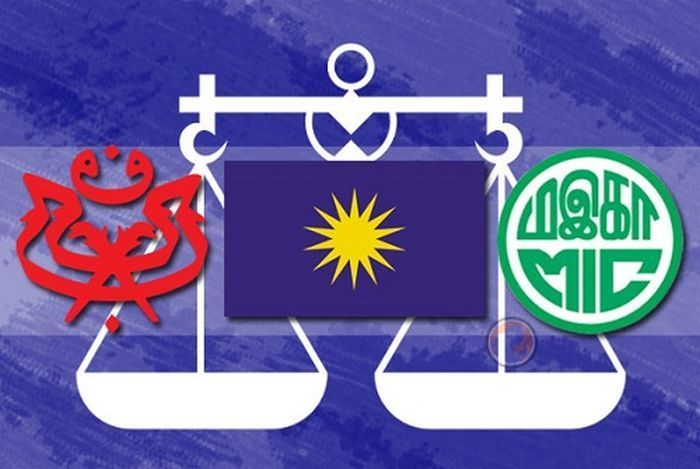
If MIC ultimately makes the decision to quit the BN fold and by definition the PH coalition, this would serve a big political blow to the Madani government.
MIC is attractive to the PN not because it has a strong base in the Indian community but to wean away a long-established pro-government party to the side of the opposition would constitute a symbolic blow to the government in power.
However, if the MIC leaders keep on oscillating in taking the decision, the party loses whatever credibility it has.
Chance of a lifetime?
The ultimate test of the long-established MIC is whether it still has traction in the Indian community.
Without a strong base in the community that feels discriminated and marginalised, MIC might not be permanent political asset both to the opposition or the ruling coalition.
Formed to harness the nationalist appeals of the Indian community in the aftermath of World War II, MIC had come a long way.
In the 1950s, MIC became a fully a Tamil party under its leader Tun V.T. Sambanthan. It reached its peak in the 1970s and 1980s but gradually declined in its representation of the Indian community.
The present invitation by PN to join the opposition coalition represents a rare moment in the history of the country of the importance of the MIC.
The question is how the MIC leaders will take advantage of the opportunity to ensure its political relevance in the country.
Without strengthening its political and social base, MIC – if it is not careful to craft a political strategy – might stand the chance of being swallowed by the political euphoria of the moment. – Oct 22, 2025
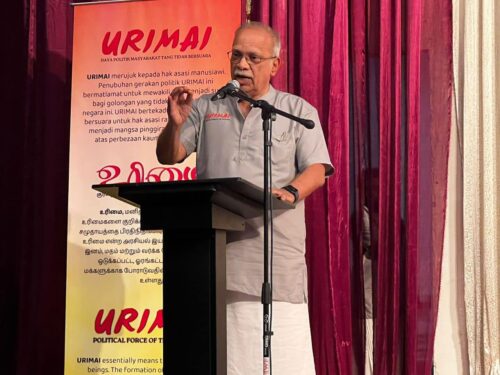
Former DAP stalwart and Penang deputy chief minister II Prof Ramasamy Palanisamy is chairman of the United Rights of Malaysian Party (Urimai) interim council.
The views expressed are solely of the author and do not necessarily reflect those of Focus Malaysia.