

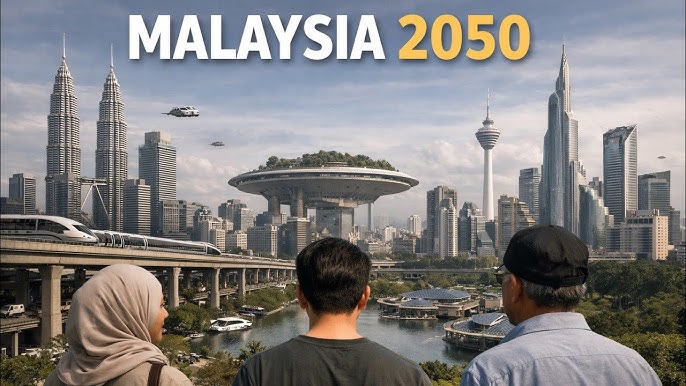
MALAYSIA moves steadily towards another election cycle, the country’s political temperature is once again rising.
Election narratives are beginning to dominate public discourse with parties positioning themselves for what is expected to be an increasingly competitive contest.
While robust political debate is a hallmark of democracy, there is also a growing risk that public attention becomes consumed by personalities, past grievances and political score-settling rather than the economic priorities and reforms that will shape Malaysia’s future.
It is against this backdrop that Tun Dr Mahathir Mohamad’s recent remarks expressing concern that Malaysians may be living in fear and questioning the state of the rule of law have sparked strong reactions across the political divide.
Be appreciative
Critics have been quick to dismiss his views with some even blaming the twice former premier for many of the challenges facing the nation today.
Such responses are perhaps unsurprising during an election season when political rhetoric often becomes more polarised and historical narratives are increasingly contested.
Yet they also remind us that hindsight is always 20/20. It is far easier to judge past decisions through today’s lens than to appreciate the realities and constraints of the time.
Whether one agrees with Dr Mahathir’s politics or not, his comments should encourage Malaysians to examine issues objectively rather than through partisan lenses.
Mature democracies are capable of recognising achievements while debating shortcomings. Malaysia should aspire to do the same.
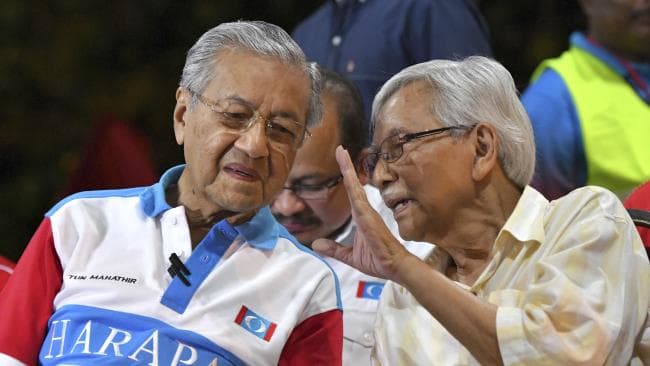
Together with the late Tun Daim Zainuddin, the centenarian oversaw one of Malaysia’s most significant periods of economic growth.
Between the late 1980s and mid-1990s, the country experienced rapid industrialisation, infrastructure expansion, rising foreign investment and the emergence of a stronger private sector.
Many of the economic foundations established during that era continue to benefit Malaysia today.
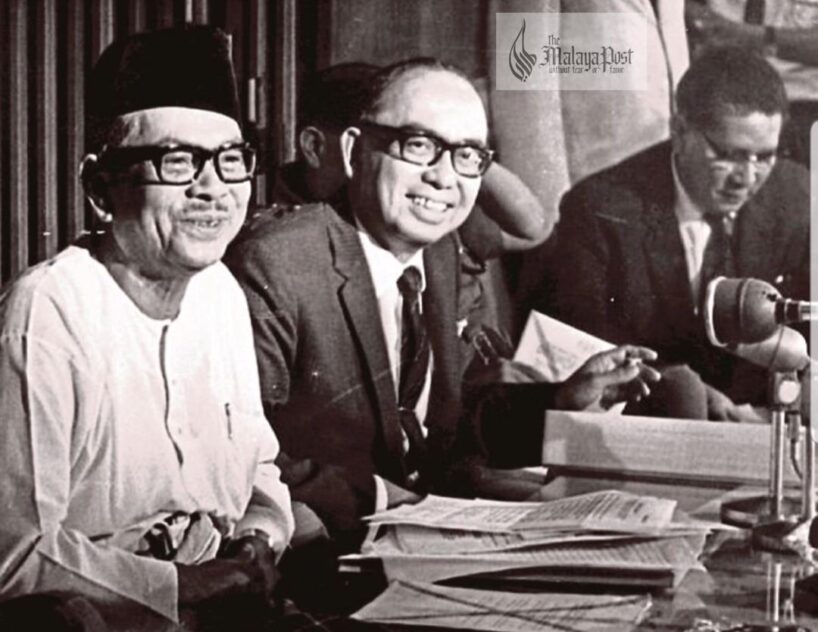
Malaysia’s nation-building journey, however, began long before that. Tunku Abdul Rahman led the nation to independence and laid the foundations of parliamentary democracy.
Tun Abdul Razak Hussein drove rural development and economic restructuring through the New Economic Policy (NEP) while Tun Hussein Onn strengthened public institutions and national unity during a formative period of the country’s development.
Don’t play blame game
Subsequent leaders (after Tun Mahathir 1.0) also made important contributions. Tun Abdullah Ahmad Badawi championed institutional reforms and human capital development.
Datuk Seri Najib Razak oversaw major economic transformation programmes and infrastructure expansion; Tan Sri Muhyiddin Yassin guided the nation through the COVID-19 pandemic while Datuk Seri Ismail Sabri Yaakob managed the recovery and reopening of the economy.
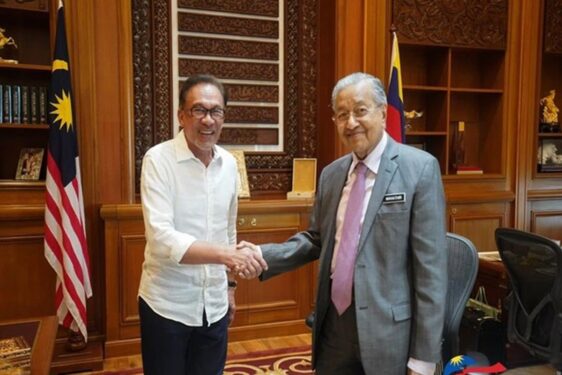
Today, Prime Minister Datuk Seri Anwar Ibrahim continues this nation-building journey through efforts to strengthen economic resilience, improve governance, attract investments and position Malaysia for future growth in an increasingly competitive global environment.
Reasonable people may debate the effectiveness of specific policies. That is the essence of democracy.
But it would be unfair to suggest that any of these leaders contributed nothing to Malaysia’s progress.
The nation we know today is the cumulative result of decisions, sacrifices and policies implemented by successive administrations over many decades.
As Malaysia enters another election cycle, our national discourse should focus less on blame and retribution and more on the future.
Elections should be about improving livelihoods, strengthening institutions, creating opportunities and ensuring prosperity for future generations.
There is no place for vindictive politics in a nation striving for unity, progress and shared prosperity.
Remembering the achievements of former leaders and learning from any shortcomings is a mark of a confident nation.
Malaysia’s future will not be determined by how effectively we relitigate yesterday’s battles but by how successfully we unite around the opportunities and challenges of tomorrow. – July 2, 2026
Main image credit: Venture Vibes/YouTube