
THE Government has tabled a marginally lower development expenditure allocation of RM81 bil for the construction sector in 2026, down 5.8% year-on-year (YoY) from RM86 bil.
However, when including RM10 bil in Public-Private Investments, RM30 bil from GLCs and GLICs, and RM10.8 bil from federal statutory bodies and MOF Inc, the total public development expenditure rises to RM131.8 bil.
This represents a 9.8% increase from the RM120 bil recorded in the previous year. This is in line with the Government’s MADANI commitment to good governance and steadily reducing the fiscal deficit.
The Fourth MADANI Budget continues to focus on projects of public interest and facilities that support industrial areas according to state priorities.
“We believe that the transport sub-sector will remain a key catalyst for the construction landscape, as most high-multiplier projects, such as highways, roads, railways, bridges, and airport upgrade projects fall under this category,” said Public Investment Bank.
Furthermore, notable projects mentioned for the water sector include new water treatment plants in Klang Valley and Sabah, while Pengurusan Aset Air Bhd is set to invest RM13 bil over the next five years in projects including the Langat 2 water treatment plant, among others.
A total of RM3 bil is also allocated to handle non-revenue water-related matters, including the replacement of dilapidated pipes stretching over 820km across Johor, Melaka, Negri Sembilan, Kelantan, Pahang and Selangor.
There was also mention that the Malaysian Communications and Multimedia Commission (MCMC) will build a Sovereign AI Cloud with an investment of RM2 bil, which could benefit Gamuda.
The Federal Government has allocated 15.9% of DE to Sabah (RM6.7 bil) and Sarawak (RM5.9 bil), marking a marginal increase (+2.4% YoY) from 2025’s allocation of RM12.6 bil.
Additionally, the Government has maintained the special grant of RM600 mil each for Sabah and Sarawak.
We believe that the higher autonomy and allocations given to Sabah and Sarawak would further cement and encourage economic partnership between Peninsular and East Malaysia contractors which, in return, could improve the profitability of East Malaysia projects.
Gamuda, IJM and WCT are potential beneficiaries from large-scale infrastructure development in East Malaysia project.
Construction activity is expected to remain robust going through 2026, spurred by on-going and roll-out of infrastructure projects.
These include Bayan Lepas LRT, Pan Borneo Sabah Phase 1B, SSLR Phase 2, Penang, Sarawak and Sabah airports upgrade and digital infrastructure projects.
Additionally, flood mitigation projects and water-related initiatives are anticipated to increase the availability of public infrastructure jobs for contractors.
In the second quarter of 2025, the private sector accounted for 64.2% of the total value of construction work done.
This was driven by increased activity in the data centre sector, which continues to be the primary growth driver for the overall construction industry.
With Government-backed infrastructure projects stimulating the sector, construction GDP is projected to grow by 6.1% in 2026, up from 5.6% in 2025.
Our top picks are Gamuda and IJM, given their extensive experience in public infrastructure jobs. —Oct 13, 2025
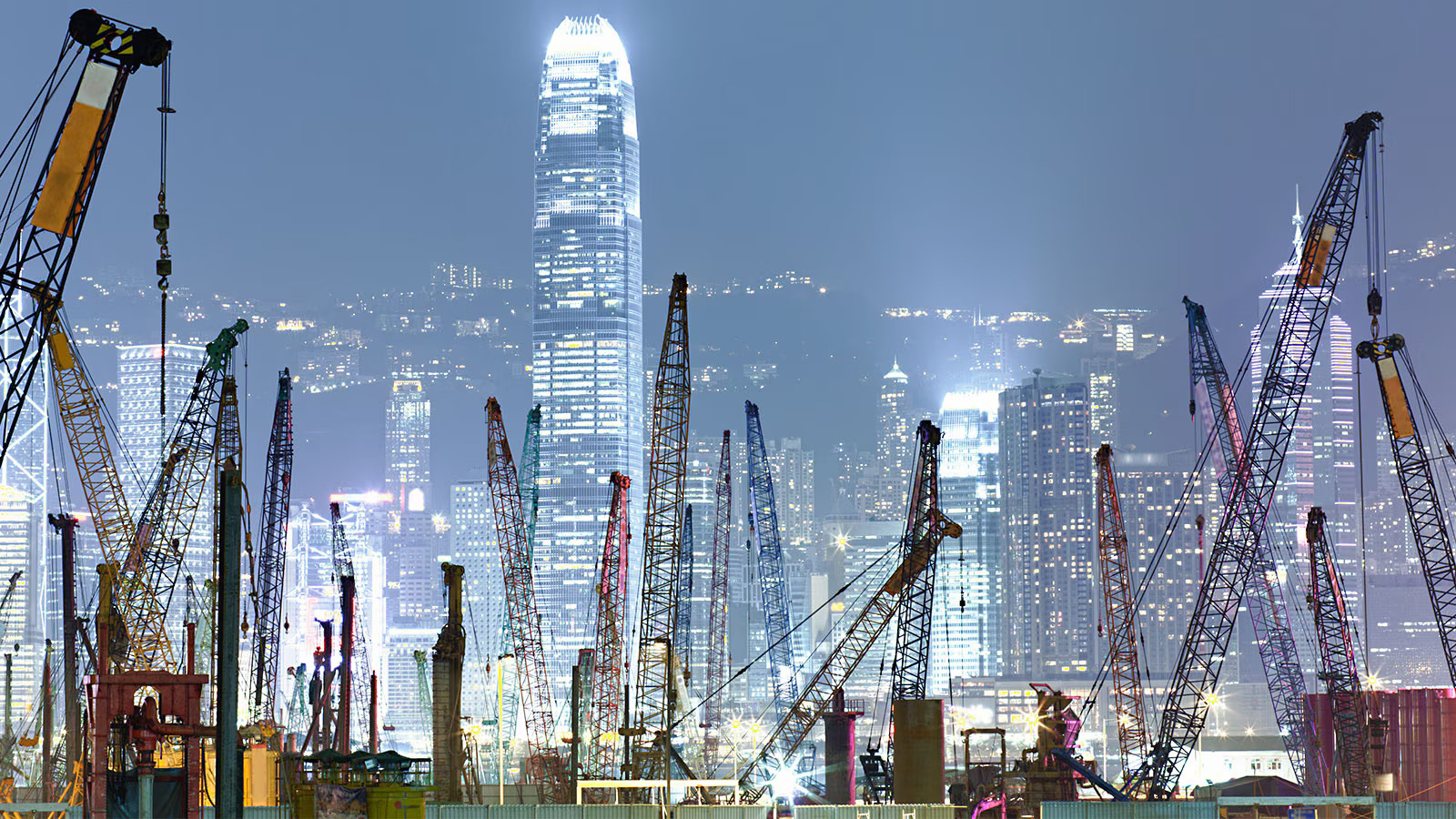
Main image: PWC