
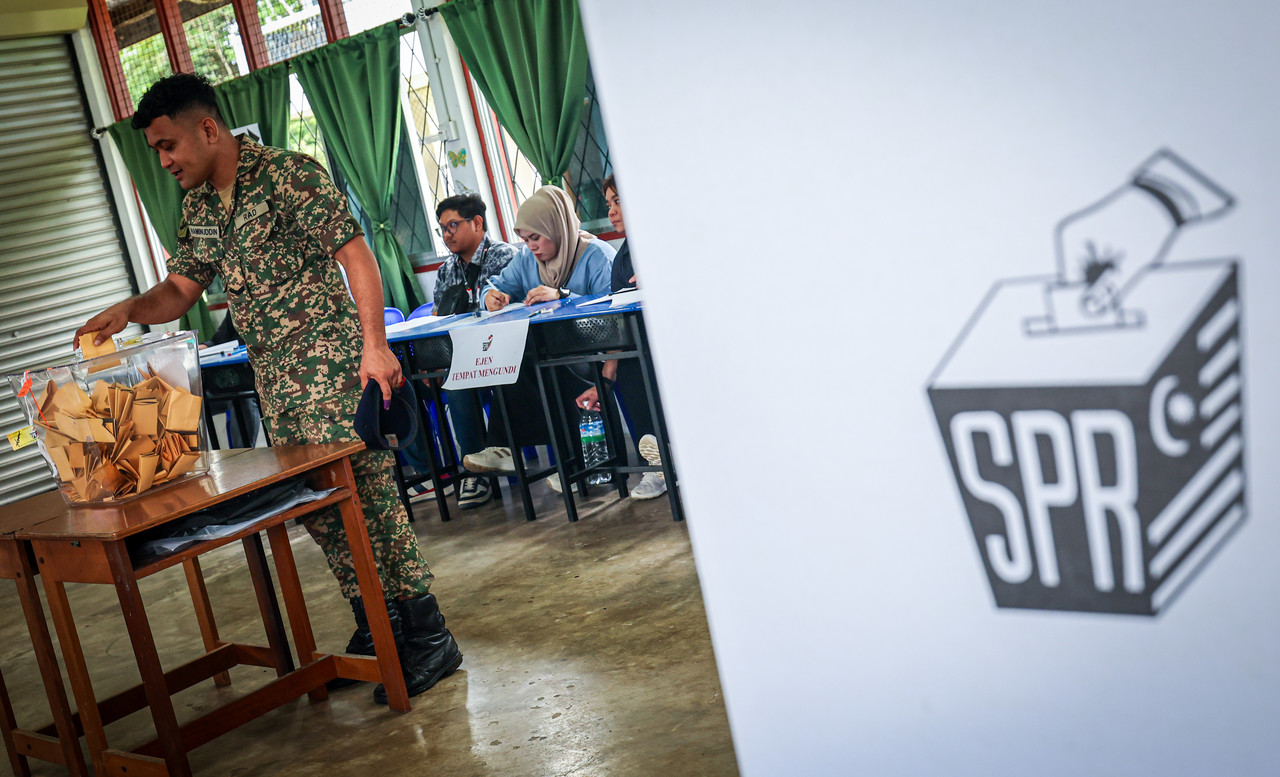
ONE crucial factor shaping the Sabah state election is Sabah’s evolving demographic landscape. Recent voter data indicates that a significant share of the electorate is now concentrated within the 30–39 age bracket.
This implies that many Sabahans deciding this election are of working age, potentially more concerned with livelihoods, employment opportunities, infrastructure, digital connectivity and access to services rather than legacy identity-based politics alone.
At the same time, long-standing social structures, family networks, clan affiliations, native-customary communities, remain deeply embedded.
Political actors who can combine modern appeal (youthful energy, development rhetoric, responsive engagement) with rootedness (native legitimacy, clan or community ties, track record in local matters) will likely enjoy a competitive advantage.
Thus the election may reflect a blend of generational aspirations and traditional community loyalties, making outcomes unpredictable and highly dependent on local dynamics.
Post-poll scenarios: What might emerge, and what it means for Sabah
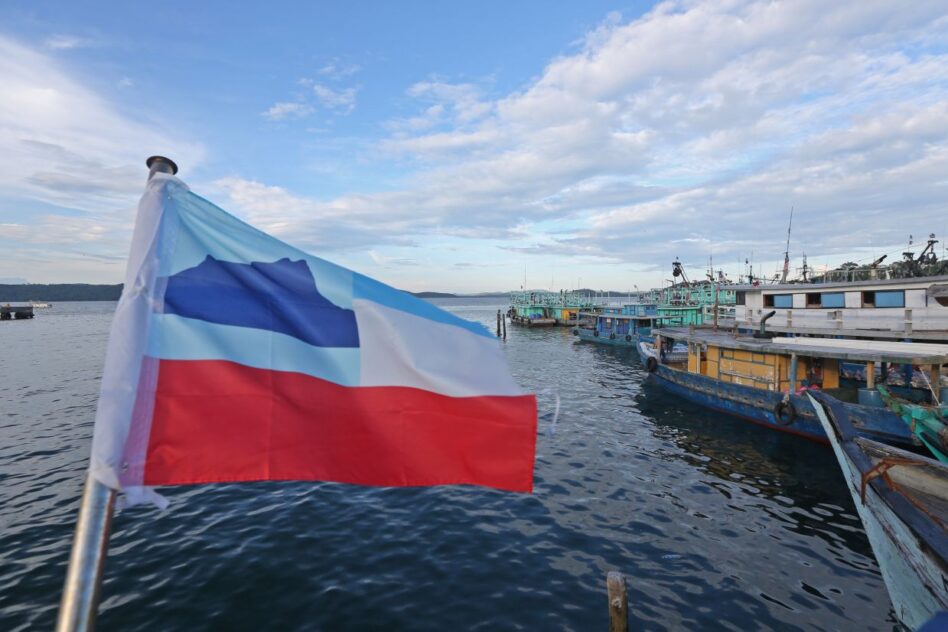
Given the fragmentation, the multiplicity of parties and independents, and the absence of straight fights in any constituency, the post-poll period will be decisive.
The actual trajectory of governance will depend on how coalitions form, how deals are negotiated, and whether elected representatives prioritise long-term governance over short-term patronage.
Here are the most plausible scenarios:
Scenario 1: Fragmented assembly, hung government (most likely)
No single coalition or party achieves a working majority. Government formation will depend on coalition-building among major parties, small parties and independents. The result may be a patchwork coalition, with multiple smaller players holding kingmaker power.
In such a setup, governance will likely start with short-term deals: promises of constituency-level infrastructure, ad-hoc allocations, and immediate “deliverables”.
Long-term planning, institutional reform or structural policy initiatives may be deferred or diluted. The risk of instability, shifting loyalties and frequent realignments will remain high.
Scenario 2: Narrow majority for a coalition (possible)
If a coalition (perhaps GRS together with some aligned parties or sympathetic independents) manages to secure a narrow majority through disciplined unity and deal-making, it could form a state government that attempts to govern with relative stability.
Such a coalition might carry sufficient weight to push implementation of promises, especially if backed by the federal government.
This scenario offers the best chance for delivery on basic services, infrastructure, and possibly a start to the Malaysia Agreement 1963 (MA63) implementation, though success will depend on internal discipline and coherent strategy.
Scenario 3: Warisan-Led local coalition (contingent but significant)
If Warisan performs strongly across rural and urban seats and is able to attract allied small parties or independents, a Sabah-first coalition may emerge. Such a government might emphasise state identity, local autonomy, resource sharing under MA63, and native-rights protection.
However this scenario depends heavily on Warisan resisting fragmentation, maintaining cohesion, and resisting pressure from national-level parties or federal interests. It also requires capacity to translate identity politics into effective governance and development delivery.
Scenario 4: Independent / Minor-party kingmakers dominate (uncertain, risky)
A smaller group of independents or minor-party legislators could leverage their position as kingmakers. They may demand ministerial posts, constituency contracts, or resource allocations in return for support.
Governance under such conditions might become transactional, fragmented, and heavily shaped by patronage rather than cohesion.
This risks undermining long-term policy coherence, weakening institutional capacity, and reducing accountability. Development agendas could fragment, and long-term structural reforms may stall.
Scenario 5: Legal disputes, recounts and delays (probable in tight races)
Given that many seats will be won with small pluralities, there is a real possibility of election petitions, recounts and legal challenges. These may delay government formation, stall policy implementation, and contribute to uncertainty.
This scenario would be particularly disruptive if the initial results are close or contested. Delays may hamper not only the appointment of key ministries but also the execution of budget allocations and development projects.
What Sabah needs next
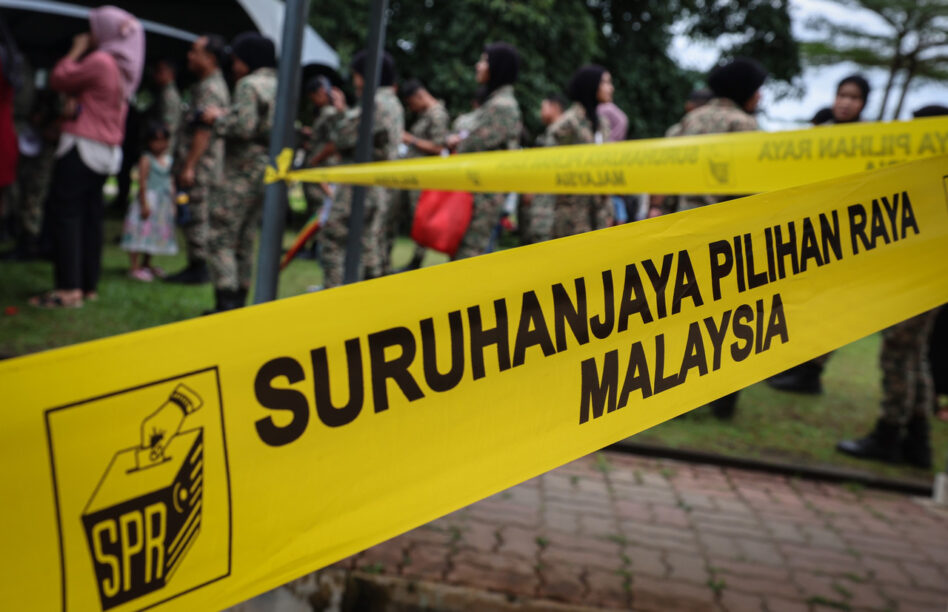
Election outcomes matter, but for Sabah’s long-term future, what is most important is the capacity to translate promises into sustainable policies, transparent governance and structural reform.
Here is a strategic, visionary yet pragmatic agenda the next leadership (or coalition) must adopt, regardless of who wins:
Institutionalise transparency and procurement reform
The state government should establish an independent procurement-oversight body with statutory powers. Public tender awards, project progress, budget allocations and spending must be published in open, accessible, digital portals. This will reduce leakages, curb patronage, and build public trust.
Create a Sabah Development Compact
Ahead of any coalition agreement, parties should negotiate and publish a compact that outlines priority sectors for the first two years—for example water, roads, rural electrification, clinics, education, native land rights, economic inclusion, youth employment.
This compact should include measurable targets, budget allocations, a financing plan, and external oversight mechanisms involving civil society.
Operationalise MA63 through technical, multi-stakeholder working groups
Instead of making MA63 a political slogan, the state must form tripartite working groups (state government, federal government, independent experts) tasked with quantifying entitlement arrears, establishing transparent revenue-sharing mechanisms, and producing public reports. This approach can transform constitutional rights into real fiscal outcomes.
Decentralise governance: empower local government and communities
Strengthening municipal and district councils by devolving funds, decision-making powers and capacities can reduce over-centralisation. This enhances responsiveness to local needs, especially in rural and remote areas.
Invest in youth, skills development and economic diversification
Given Sabah’s demographic profile, major investment should go into vocational training, digital infrastructure, eco-tourism, sustainable agriculture, and entrepreneurship programmes.
This addresses employment, reduces migration, and builds long-term economic resilience.
Clarify land and native customary rights (NCR)
The incoming government must prioritise a time-bound, legally backed process to adjudicate, map and register native customary land rights. This should involve technological mapping, community participation, legal assistance to provide clarity, reduce land disputes, and protect native communities.
Adopt a covenant against patronage and opaque appointments
Any coalition government should publicly commit to meritocratic appointments, transparent processes for senior posts, and avoid excessive patronage. This will help restore faith in public institutions and reduce graft risks.
Post-election watchlist: What Sabahans should monitor closely
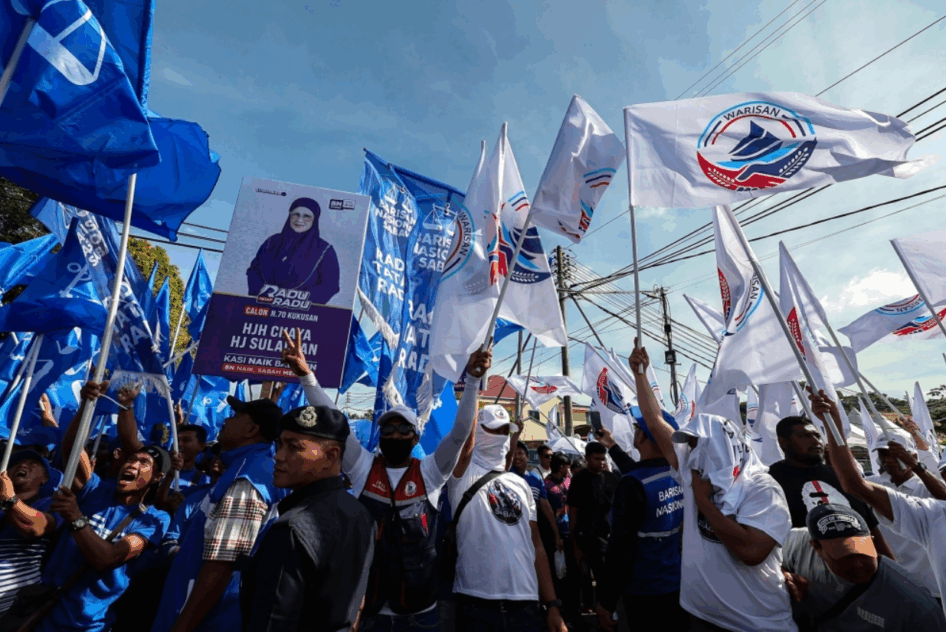
When the votes are counted and the dust settles, what happens next will matter most. Civil society, voters and stakeholders should watch for:
How quickly a majority claim is made, and whether the coalition composition is disclosed transparently
The distribution of ministries, portfolios and resource allocations — portfolios related to revenue sharing, native-rights, rural development and procurement oversight will be especially telling
The behaviour of independents and minor party legislatorsb whether they push for patronage deals or demand policy-oriented reforms
Whether a technical working group on MA63 is established, and whether its processes and outputs are made public
Whether procurement and budgeting are transparent, and whether the state begins visible delivery on infrastructure, basic services and rural empowerment
These signals will indicate whether the next government intends to pursue substance or revert to “business as usual”. ‒ Nov 29, 2025
Ts Dr Manivannan Rethinam is the Chairman of Majlis Gagasan Malaysia and brings nearly three decades of experience across national politics, governance advisory, technology-driven transformation, and community development.
The views expressed are solely of the author and do not necessarily reflect those of Focus Malaysia.
Main image: Bernama