

THE thyroid gland, a small butterfly-shaped organ located at the base of the neck, quietly regulates metabolism, energy and body temperature. But when cancer develops in this gland, the symptoms are often subtle and easily overlooked.
Although thyroid cancer is considered one of the most treatable forms of cancer, it remains relatively under-discussed in Malaysia.
According to the Malaysia National Cancer Registry Report 2017–2021, thyroid cancer is the eighth most common cancer among women, with an incidence rate of 4.2 cases per 100,000 population.
Women are affected more frequently than men, a trend researchers believe may be linked to hormonal factors, particularly oestrogen.
However, while laboratory studies suggest oestrogen may stimulate thyroid cell growth, large-scale population studies have yet to establish a definitive connection between hormone levels and thyroid cancer risk.
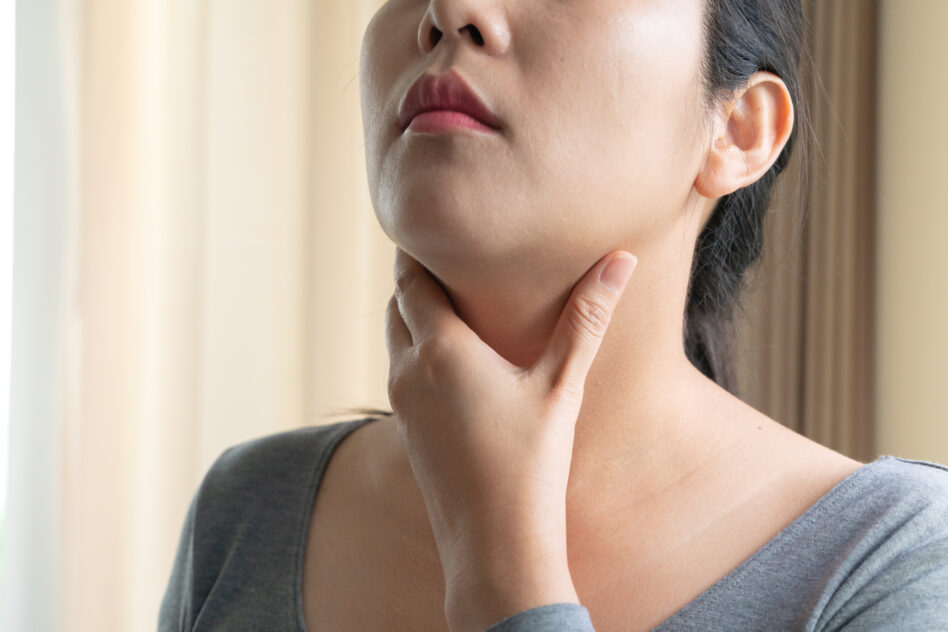
Often described as a “silent disease”, thyroid cancer can develop without obvious symptoms. In many cases, a persistent lump in the neck or subtle voice changes are among the earliest warning signs.
While awareness has improved and more cases are now detected during routine health screenings, confusion between thyroid cancer and other thyroid conditions such as hypothyroidism, hyperthyroidism and goitre can still delay proper diagnosis and treatment.
Dr Wong Mei Wan, Consultant Breast and Endocrine Surgeon, and Dr Tan Teik Hin, Consultant Nuclear Medicine Physician at SMC, shared their insights on the disease, including its symptoms, diagnosis, treatment options and the importance of long-term monitoring.
Understanding the thyroid and early warning signs
“The thyroid produces thyroxine, a hormone essential for metabolism. Too much of it can make a person restless and energetic, while too little may cause fatigue and sensitivity to cold,” explained Dr Wong.
However, Dr Tan clarified that thyroid cancer itself is not primarily a hormonal disease.
“Most patients with thyroid cancer have normal thyroid function. The cancer usually presents as a physical growth or nodule within the gland. It does not cause hyperthyroidism or hypothyroidism, nor is it caused by them,” he said.
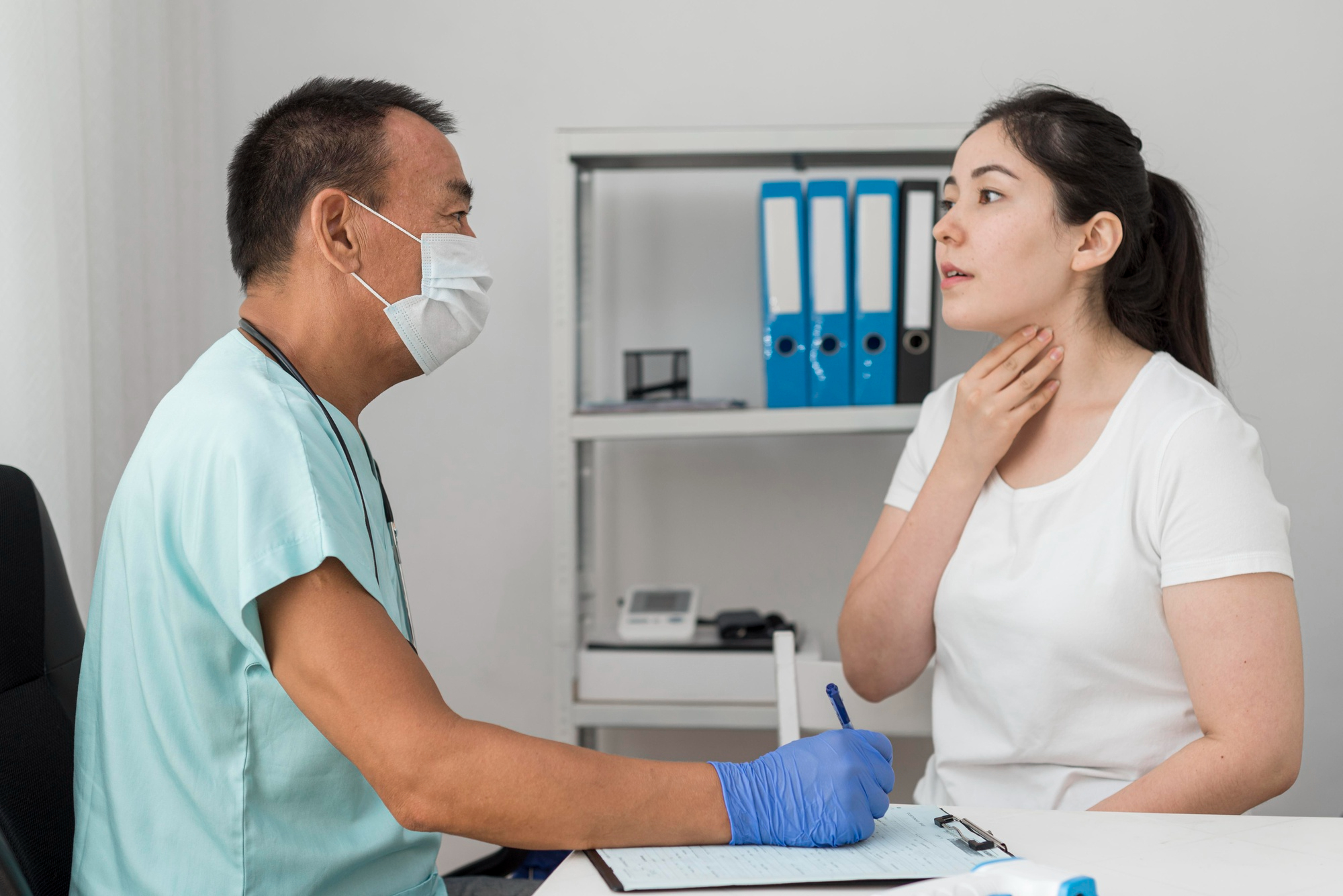
Diagnosis often begins when patients notice a hard lump in the neck. Other symptoms may include persistent voice changes, difficulty swallowing, or swollen lymph nodes.
Not all thyroid nodules are cancerous, and Dr Wong said ultrasound scans and biopsies are essential in distinguishing benign growths from malignant ones.
Unlike many other cancers, thyroid cancer in Malaysia is not strongly associated with lifestyle factors such as smoking. Family history may play a role in some cases.
“There are hereditary forms of thyroid cancer, but not every case is genetic. We usually recommend testing only when there is a clear family pattern,” said Dr Wong.
She added that around two-thirds of her thyroid cancer patients are women, reflecting a broader global trend.
Why early diagnosis matters
Dr Tan noted that more Malaysians are now being diagnosed at Stage 1, often through routine medical check-ups.
“A decade ago, we used to see more late-stage cases, including Stage 3 and Stage 4 disease. The fact that more patients are now diagnosed early is a very encouraging development,” he elaborated.
According to Dr Tan, about 85% of thyroid cancers are slow-growing, particularly papillary and follicular thyroid cancers, which generally respond well to treatment.
However, survival rates decline significantly once the disease spreads to distant organs such as the lungs or bones.
“After removing the tumour, we assess how aggressive the cancer is. If the patient is considered high-risk, we typically proceed with radioactive iodine therapy,” he explained.
Radioactive iodine (RAI) therapy serves both therapeutic and diagnostic purposes by destroying remaining cancer cells and helping doctors detect hidden spread.
For smaller tumours measuring less than 1cm, surgery alone may sometimes be sufficient.
Dr Tan also addressed concerns about radiation exposure.
“Radioactive iodine is chemically identical to the iodine naturally found in our bodies. It is generally safe, well tolerated, and allergic reactions are extremely rare,” he explained.
“The word ‘radioactive’ often worries patients, but this is very different from external beam radiation therapy.”
He stressed that strict safety protocols are always followed during treatment.
Life after treatment and the importance of follow-up

Although thyroid cancer outcomes are generally favourable, recurrence can still occur, sometimes years later, particularly in the lymph nodes.
“That is why long-term follow-up remains extremely important,” said Dr Wong.
Following surgery, most patients require lifelong thyroid hormone replacement therapy.
“It is similar to taking supplements. Most patients adapt well and can resume normal daily activities fairly quickly,” she stated.
For patients with Stage 1 or Stage 2 disease, Dr Tan typically recommends follow-up every six months during the first two years, followed by annual reviews for up to five years.
For more advanced or treatment-resistant cases, newer therapies such as tyrosine kinase inhibitors (TKIs) have expanded treatment options.
“These medications are used when radioactive iodine is no longer effective. They can shrink tumours before surgery or help manage metastatic disease,” Dr Tan explained.
However, he cautioned that side effects including fatigue, skin complications, proteinuria and hypertension require close monitoring.
Both doctors agreed that although routine thyroid screening is not commonly practised in Malaysia, public awareness remains essential.
“If you notice a persistent lump in your neck, do not ignore it. Ultrasound scans and blood tests are simple, accessible, and available at most clinics,” stressed Dr Wong.
Dr Tan echoed the advice, noting that early intervention can significantly improve outcomes.
“Thyroid cancer often progresses slowly, but early detection still makes a major difference. The earlier we treat it, the better the outcome.” ‒ May 20, 2026