
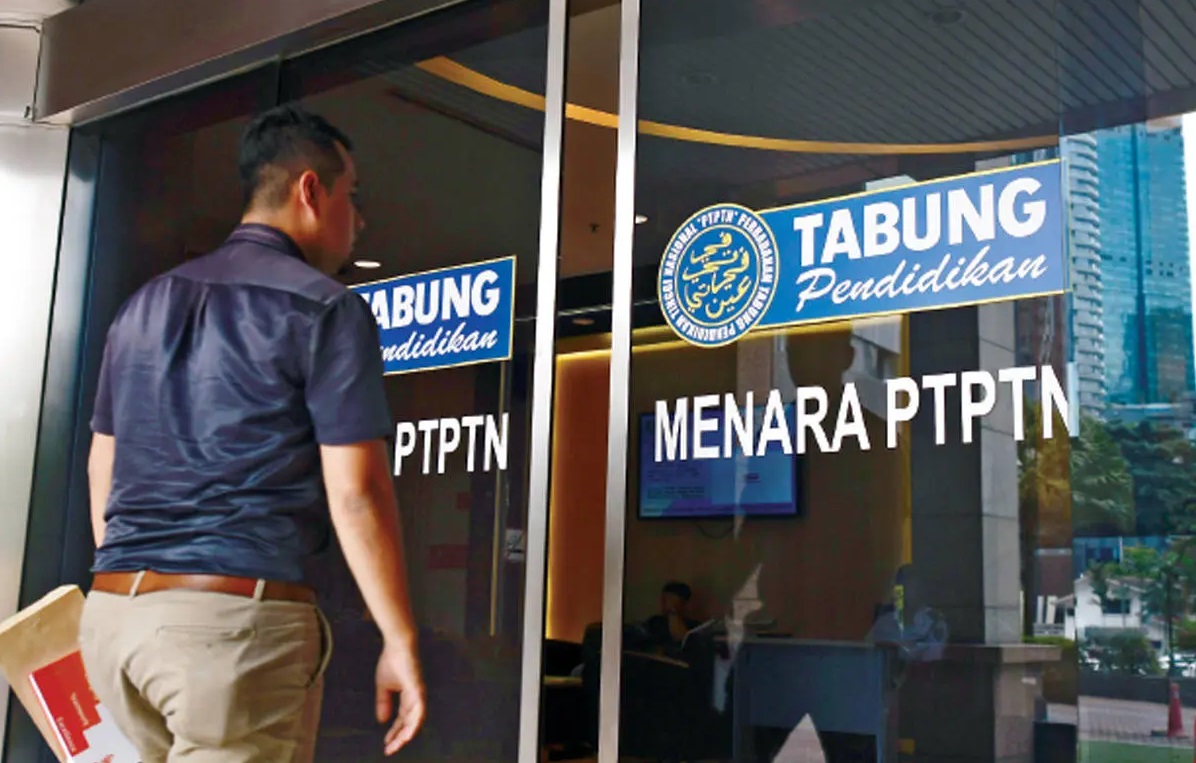
MCA Youth has proposed that the National Higher Education Fund Corporation (PTPTN) collaborates with the Inland Revenue Board of Malaysia (LHDN) to strengthen the recovery of overdue student loans.
Its secretary-general Saw Yee Fung said a formal partnership between these two agencies would allow for more effective enforcement and create a sustainable education financing system that can continue to support students in need.
Saw was responding to Prime Minister Datuk Seri Anwar Ibrahim’s proposal to reinstate travel bans on persistent loan defaulters during the Budget 2026 announcement on Oct 10.
“MCA Youth supports this reinstatement; it is worth noting that this measure was first introduced during the Barisan Nasional administration,” she remarked.
“This shows that the current government has recognised the impracticality of its earlier promises. Before coming into power, Pakatan Harapan pledged free tertiary education and loan exemptions. Today, it has come to realise the importance of firm repayment policies.”
According to PTPTN, the proposed travel ban will apply to borrowers who have defaulted for more than five years and earn over RM6,000 a month, as well as those working abroad.
“However, this approach is operating at a limited capacity. Loan recovery must be comprehensive and consistent, not restricted to certain categories of borrowers,” Saw noted.
“PTPTN already provides flexible repayment options based on a borrower’s income and employment status. In some cases, repayments can be as low as a few dozen Ringgit a month. Continued failure to repay loans therefore reflects irresponsibility rather than financial hardship.”
Saw further stressed that for any new measures to succeed, enforcement must be thorough. As such, PTPTN should ensure there are no loopholes for those who deliberately avoid repayment, such as making small payments only when they plan to travel overseas.
She said the government should also review whether current repayment procedures are unnecessarily complicated and identify ways to improve them.
“One practical solution is to introduce an automatic salary deduction system, similar to the Monthly Tax Deduction (PCB) mechanism. This would link repayment amounts to actual income, prevent intentional defaulting, and make it easier for new graduates to manage their finances while building their careers.
“The government should also consider applying wider restrictions to persistent defaulters. These could include limits on major financial activities such as housing or vehicle loan applications. Such measures would encourage greater accountability among borrowers.”
Saw went on to emphasise that a study loan is a commitment and a responsibility and should be treated as a un-returnable gift.
“Repayment is an obligation that ensures future students can continue to benefit from the same support,” she continued.
“However, fairness must also be upheld. Students who achieve first class honours, whether from public or private universities, should have their loans converted into scholarships. This recognises academic excellence while maintaining accountability.”
Main image: The Edge