


THE circulation of a graphic claiming to identify the top 10 Malaysian universities with the highest number of “sugar babies” has reopened an uncomfortable debate about young people, university education, morality and the commercialisation of human relationships.
Attributed to dating platform Sugarbook, the graphic lists institutions including Sunway University, INTI International University, Taylor’s University, Universiti Malaya and Universiti Teknologi MARA (UiTM).
It claims thousands of students have registered as sugar babies, receiving financial allowances from older, wealthier individuals.
However, these figures should be treated with caution. In February 2021, the Higher Education Ministry questioned their credibility. Sunway Education Group disputed the claim that 3,105 of its students were sugar babies, while UiTM lodged a police report denying the reported figures.
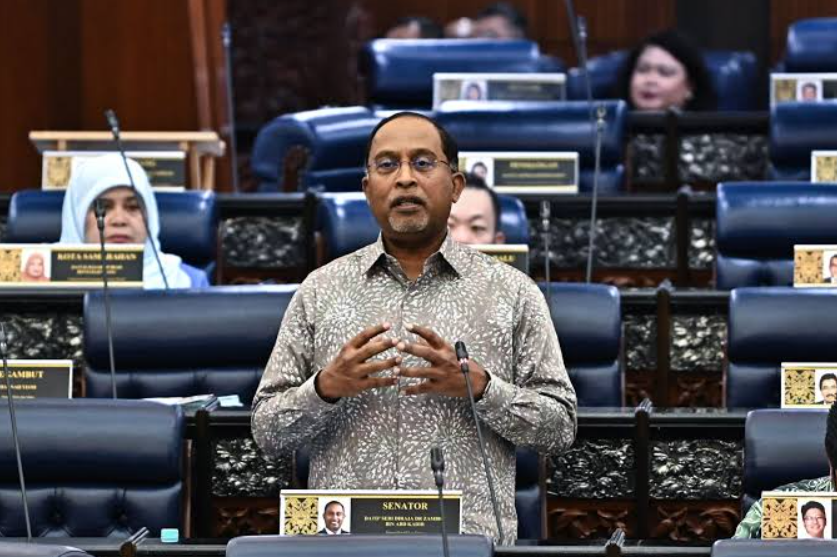
On October 27, 2026, Higher Education Minister Datuk Seri Dr Zambry Abdul Kadir told Parliament that the Ministry would examine the latest claims, including their methodology and accuracy.
He acknowledged that detailed figures establishing the number of students involved were not available.
Malaysia therefore needs reliable evidence rather than sensational statistics that risk damaging the reputations of universities and their students. But questionable figures should not distract us from the underlying social concern.
Why would a university student consider entering a financially transactional relationship with an older individual?
Financial pressure is one possible explanation. Tuition fees, accommodation, transport and food can place considerable burdens on students and their families.
Some may view such arrangements as an alternative source of income when legitimate employment opportunities are insufficient or incompatible with their studies.
Consumerism and social media also deserve scrutiny. Luxury holidays, branded possessions and expensive lifestyles are constantly presented as symbols of achievement.
When self-worth becomes tied to purchasing power and outward appearances, transactional relationships may appear attractive to young people struggling to reconcile their financial circumstances with their aspirations.
There is also a question of gender equality and unequal power. Sugar dating is often marketed as a mutually beneficial arrangement between consenting adults.
Yet financial dependency can create an imbalance in bargaining power. What begins as companionship or financial assistance may develop into manipulation, coercion or exploitation.
Consent should not be confused with the absence of vulnerability. Nor should financial assistance create an expectation of sexual access or control over another person’s life.
Society must distinguish between personal freedom, consensual adult relationships and exploitation. Coercion, trafficking, blackmail and sexual exploitation require serious attention, particularly where minors are involved.
The concern should not be confined to the morality of young women. Wealthy older individuals who exploit financially vulnerable students must face equal scrutiny.
It is a double standard to place the entire burden of social morality on the financially weaker party while overlooking those with greater economic and negotiating power.
Malaysia’s response must extend beyond banning applications, issuing warnings or condemning individuals.
First, the Ministry should commission an independent study to establish the actual scale of the issue, distinguishing platform registrations from verified participation while protecting individuals’ identities.
Second, universities should strengthen student welfare through emergency financial assistance, needs-based scholarships, affordable accommodation, subsidised meals and accessible counselling. No student should feel that exchanging intimacy for financial assistance is the only way to complete a university education.
Third, financial literacy, digital safety, relationship education and awareness of sexual exploitation should be integral to student development. Young people need to understand financial manipulation, online blackmail, privacy risks and consent.
Authorities should also scrutinise digital platforms’ age-verification, data-protection and anti-exploitation safeguards. Enforcement must focus on identifiable offences and those who profit from coercion or abuse, rather than indiscriminately humiliating vulnerable individuals.
But perhaps the most important question concerns the purpose of education itself.

Are universities merely producing graduates with academic qualifications and professional skills, or are they developing individuals with integrity, self-respect, empathy and social responsibility?
A degree should represent more than the ability to earn an income. It should reflect character and the capacity to contribute meaningfully to society.
Families, schools, religious institutions and the wider community must also recognise that moral education cannot be reduced to prohibitions, sermons or punishment. It must cultivate discernment, self-discipline and respect for others.
Malaysia invests billions in education and aspires to become a developed nation. Yet economic development without corresponding social progress risks creating a society that measures success by consumption rather than contribution.
The sugar baby controversy is therefore not simply about dating preferences or sexual morality. It exposes contradictions between our educational ambitions, economic inequalities, consumer culture and the values we claim to uphold.
We should neither shame young people who may be struggling nor normalise the exploitation of human vulnerability. We must address both the circumstances that create vulnerability and the behaviour that takes advantage of it.
Ultimately, an educated and progressive society is measured not merely by the number of graduates it produces or the international rankings of its universities.
It is measured by whether young people can pursue their ambitions without compromising their dignity, and whether prosperity is accompanied by integrity and compassion.
Malaysia must educate not merely to produce people who can earn a living, but to develop human beings who understand the value of living with dignity. ‒ Nov 3, 2026
KT Maran is a Focus Malaysia reader.
The views expressed are solely of the author and do not necessarily reflect those of Focus Malaysia.