
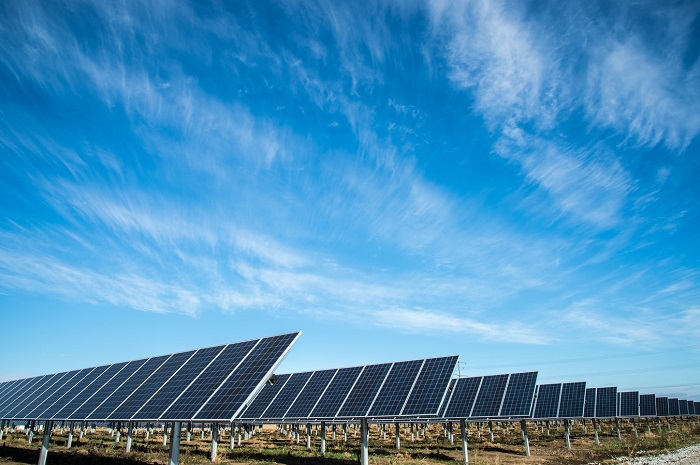
THE MINISTRY of Energy Transition and Water Transformation has introduced the Sustainable Rebate & Incentive Assistance (SuRIA) Home programme, set to begin on 1 June 2026.
The initiative offers rebates to domestic consumers who install solar systems through the Solar Accelerated Transition Action Programme before 31 December 2026.
Eligible applicants may receive a rebate of RM600 for every 1kWac of installed solar capacity, capped at RM3,000 or a maximum of 5kWac. The rebates will be granted on a first-come, first-served basis.
“The SuRIA initiative is expected to benefit up to 250MWac of residential solar installations based on RM600 per kWac rebate and a total allocation of RM150 mil for the program,” said TA Securities (TA).
Similar to the previous Solar for Rakyat Incentive Scheme (SolaRIS), TA believe SuRIA could accelerate take up of residential rooftop solar, notwithstanding lower rebates under SuRIA compared to SolaRIS’
RM1000 per kWac incentive and a maximum cap of RM4000.
“Additionally, we believe the SuRIA initiative is timely given rising grid power cost as a result of the Iran War,” said TA.
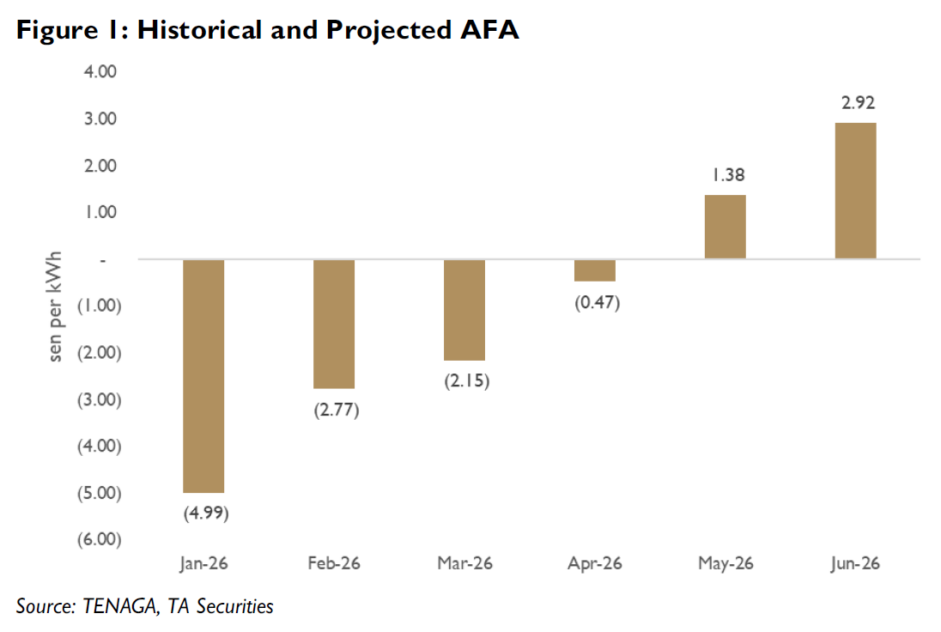
Based on the latest projections by Tenaga Nasional Berhad, the Automatic Fuel Adjustment (AFA) rate is expected to turn from a rebate of -0.47sen/kWh in April 2026 to an additional charge of +1.38sen/kWh in May 2026 and +2.92sen/kWh in June 2026 due to rising fuel cost.
These mark a significant increase compared to AFA rebate levels of up to -4.99sen/kWh earlier in the year.
“However, we note that AFA is only applicable to households with over 600kWh monthly consumption,” said TA.
The potential 250MWac SuRIA-backed residential solar installations translate into EPCC prospects worth an estimated RM875 mil-1 bil.
TA reckons that Northern Solar and Verdant Solar are among the key beneficiaries of the SuRIA incentive given their high exposure to the rooftop solar segment.
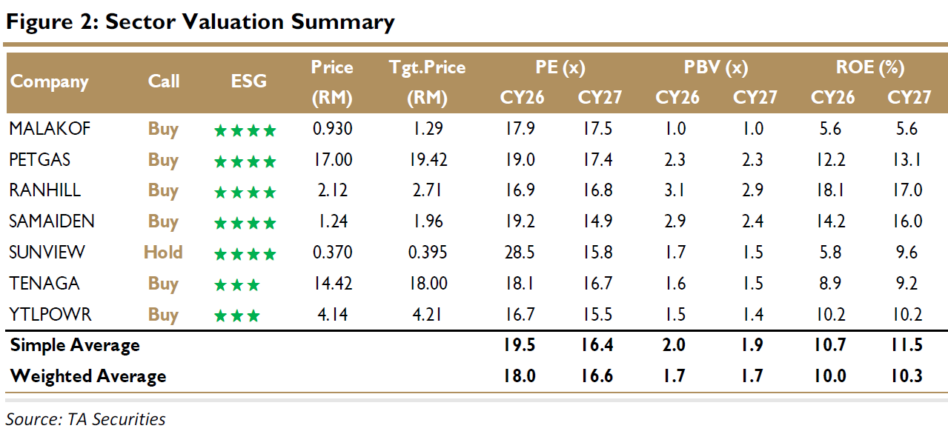
Incumbents such as SAMAIDEN, SUNVIEW, SLVEST and PEKAT are also potential beneficiaries, albeit to a smaller extent as their respective orderbooks are largely driven by utility-scale solar projects.
“We maintain our Overweight stance on the Utilities sector premised on the demand-supply tightness in the generation market and build-out of new gas-based power generation capacity,” said TA.
Also note the record RE rollout, grid capex expansion to accommodate the energy transition and demand growth, not forgetting the potential expansion of gas supply infrastructure. —May 25, 2026
Main image: malaysiabrands.com