
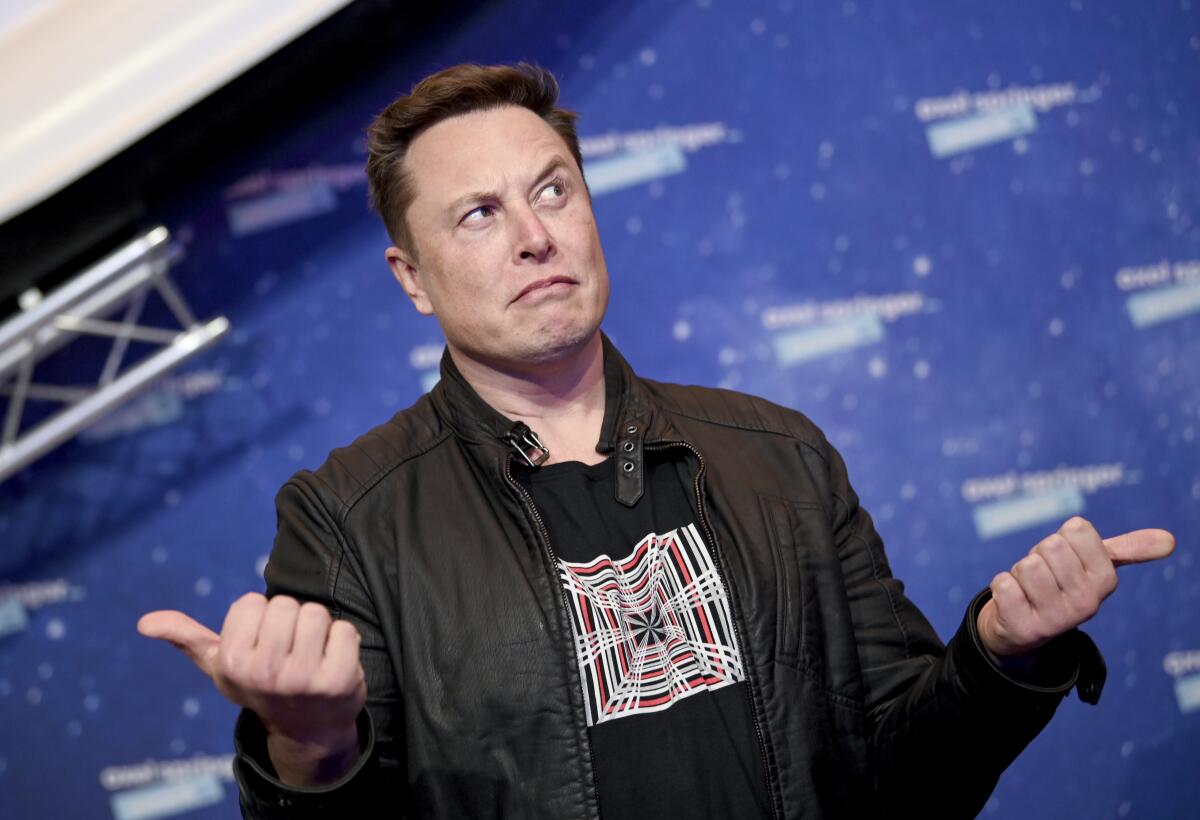
Tesla’s board has unveiled an eye-watering proposal to grant CEO Elon Musk a US$1 tril (RM4.2 tril) compensation package, a sum that, if approved, would be the largest corporate pay deal in history.
The move reflects just how much sway Musk holds over the electric car giant, which is now pushing aggressively into artificial intelligence and robotics.
Musk, the world’s richest individual, has long argued for a bigger stake in Tesla to secure tighter control. That demand continues even as disputes over his 2018 pay package, then valued at US$56 bil, remain unresolved in court.
The new scheme dwarfs the earlier one, coming in at almost 18 times the size and close to Tesla’s present market capitalisation.
For the board, the offer signals faith in Musk’s ability to revive growth and chart a fresh course, even as Tesla struggles to maintain its lead against rising Chinese competition and slowing global demand for electric vehicles.
“This kind of outsized, performance-based reward isn’t unheard of, but the sheer scale is unprecedented. It will set a new benchmark for executive pay worldwide,” commented Adam Sarhan, CEO of 50 Park Investments in New York.
The regulatory filing emphasised that Musk is not comparable to other tech executives, and that traditional executive compensation models are inadequate in his case.
Since taking over Tesla when it was a niche start-up, Musk has turned it into the world’s most valuable carmaker, expanding production, growing its global footprint, and positioning the company as a driver of electric mobility. All this while juggling leadership roles at SpaceX and xAI.
Tesla’s directors argue that the record package is essential to keep Musk motivated and focused. Critics, however, point out that as the company’s largest shareholder, Musk is already highly incentivised, and warn the plan could dilute existing holdings while raising governance concerns.
If every performance target is hit, the plan could substantially raise Musk’s stake, giving him even greater control as Tesla chases the ambition of becoming the most valuable company on the planet. Notably, the deal does not stipulate how much of Musk’s time must be dedicated to Tesla.
“This is a staggering pay arrangement, and it inevitably raises difficult questions,” said Brian Quinn, a professor at Boston College Law School.
“But since Musk shifted Tesla’s incorporation from Delaware to Texas last year, he has made it harder for such questions to derail him. Given Tesla’s valuation often trades more on sentiment than fundamentals, I expect the plan to go through,” he said.
Under the proposal, Musk could receive as much as 12% of Tesla’s equity, worth about US$1.03 tril if the company achieves a market value of US$8.6 tril. That would require Tesla’s valuation to climb almost eightfold, around US$7.5 tril, over the next ten years.
Musk has also claimed that Optimus, Tesla’s humanoid robot, might eventually contribute up to 80% of the company’s worth, potentially pushing its valuation to US$25 tril.
If realised, the package would boost Musk’s current 13% holding significantly, strengthening his voting power and intensifying debate about Tesla’s corporate governance and succession planning.—Sept 7, 2025
Main image: Associated Press