
IN THE first half of 2026, the sector moves into a more balanced phase where downside risks are better understood and already largely reflected in valuations.
“While we do not expect a major re-rating, Malaysia glove makers may see near-term stability in pricing and volumes, helped by start-up issues at a major China maker’s Indonesia plant and weather-related disruptions in Thailand,” said Maybank Investment Bank (MIB).
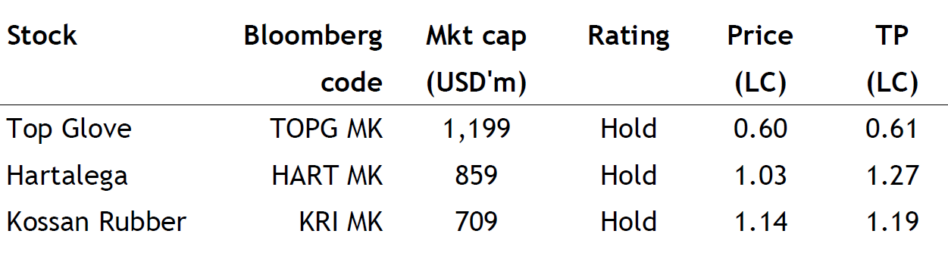
MIB upgrades TOPG to HOLD (from SELL) and maintain HOLDs on KRI and HART, while upgrading the sector to tactical NEUTRAL (from NEGATIVE).
Pressure from China makers remains, but recent start-up operational issues at a major China glove producer with its new Indonesia lines could temporarily slow competitive supply growth over the next one to two quarters.
“We understand that while the company initially planned to run 20 lines, only half of them are currently operational due to these start-up challenges,” said MIB.
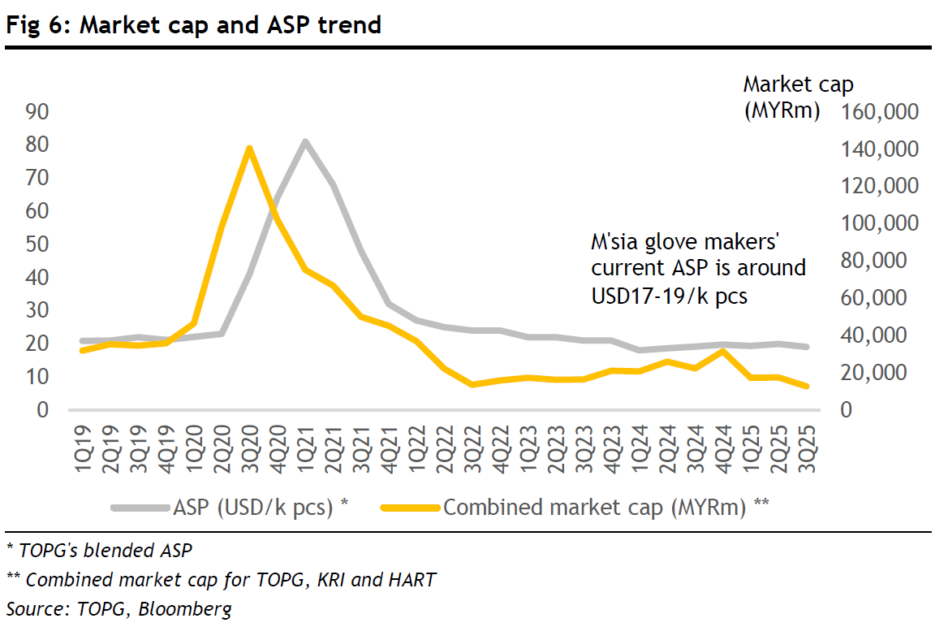
In addition, based on their channel checks, the China glove maker is not aggressively cutting prices and is selling at USD16-17/kpcs (M’sia: USD17-19/kpcs), likely due to higher start-up costs and production that has yet to achieve economies of scale.
Floods in Hat Yai have severely disrupted Sri Trang Gloves’ production in Thailand, as 43% of its production lines are located in Hat Yai, contributing approximately 29% of STGT’s total production capacity.
“We understand that STGT has temporarily suspended production at the site, and this could potentially divert some orders to Malaysia temporarily, we believe,” said MIB.
A strengthening MYR would weigh on exporters, particularly glove makers with largely USD-denominated revenue. However, lower raw material costs and active hedging should cushion the impact on margins.
While structural challenges persist, near-term supply disruptions among regional competitors offer relief to Malaysian players.
MIB does not foresee a major re-rating for the glove makers. However, they believe share prices should stabilise over the next 3–6 months as sales volumes and average selling prices remain steady at current levels. —Dec 8, 2025
Main image: BFM