
FRESH US restrictions on advanced artificial intelligence (AI) chip exports have reignited concerns over the global data centre (DC) supply chain, particularly for projects linked to Chinese technology players.
While Washington’s latest move seeks to tighten control over access to cutting-edge processors, analysts believe Malaysia’s fast-growing DC industry remains largely insulated for now, although certain segments may face heightened risks should Chinese hyperscaler activity slow.
On May 31, the US Department of Commerce (DOC) announced that export licensing requirements for advanced AI chips will now apply to China-headquartered companies regardless of whether they operate within China or through overseas subsidiaries.
The latest measure is intended to plug a regulatory gap that may have enabled foreign-based subsidiaries of Chinese firms to gain access to Nvidia’s Blackwell AI processors.
Earlier, in May 2025, the DOC indicated that it would not proceed with enforcing the AI Diffusion rule introduced during the closing phase of the Biden administration.
That framework had proposed licensing controls governing worldwide access to advanced AI chips.
At this stage, it remains unclear whether the newly introduced licensing requirements will mirror those outlined under the previous administration.
Importantly, the guidance does not compel data centres already using these advanced chips to cease operations, nor does it affect maintenance and servicing support for high-performance computing infrastructure such as servers.
Industry estimates suggest that hundreds of thousands of advanced chips may already have been exported during the earlier regulatory grey area.
Nevertheless, we view the development as manageable, given that major DC contractors including GAM, SCGB and IJM Corp primarily cater to hyperscale clients outside China.
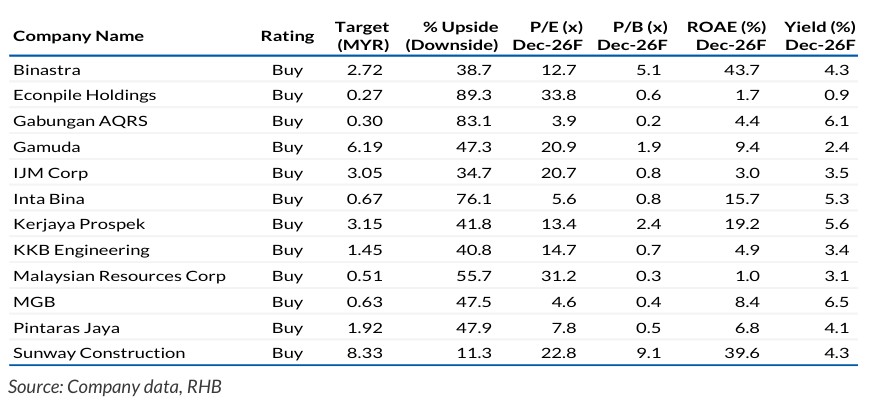
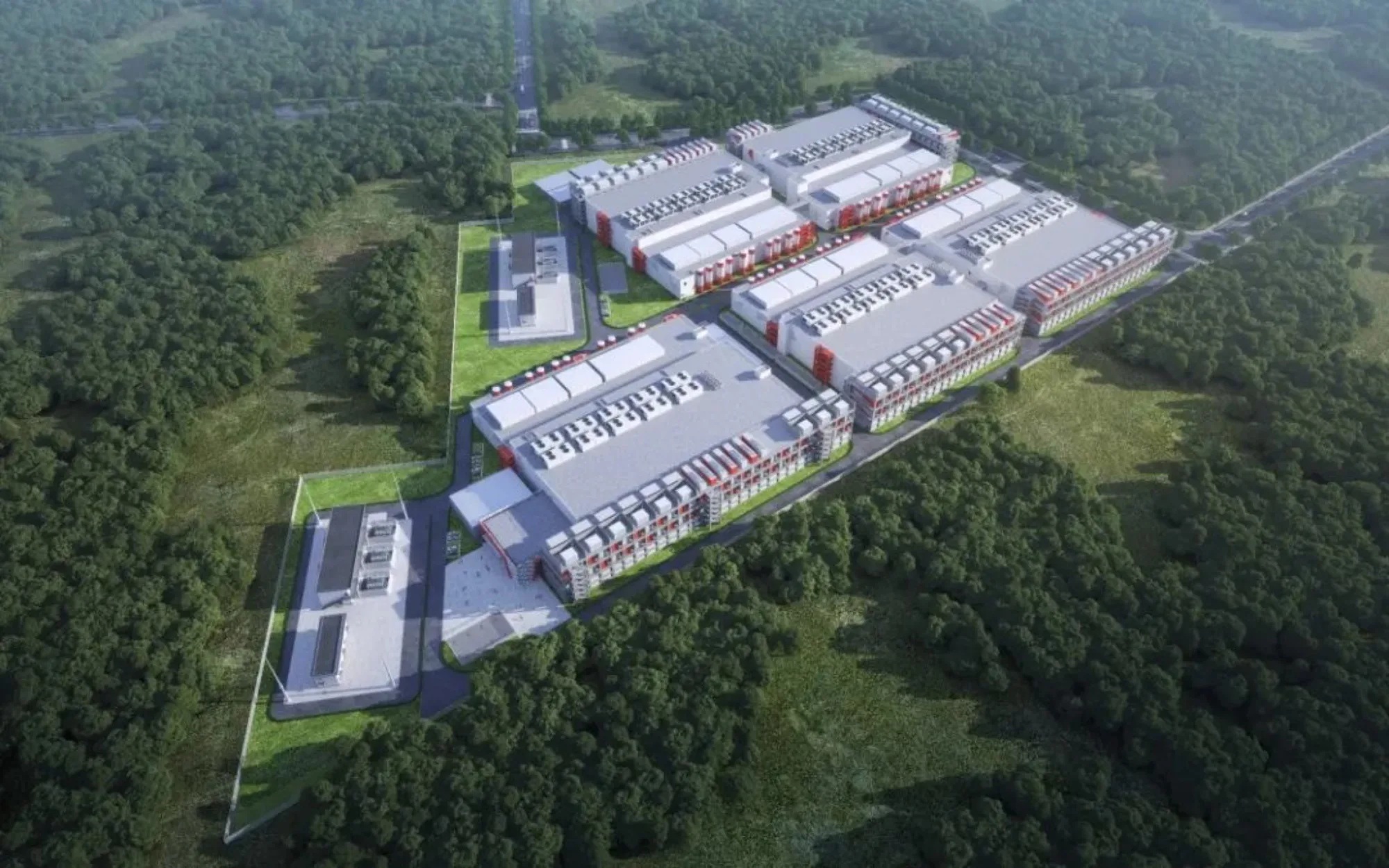
For example, Pearl Computing Malaysia’s 389-acre land in Port Dickson, Negeri Sembilan may likely accommodate a total DC capacity of 500-700MW, as per RHB’s estimate.
“Another key anticipated DC rollout includes Microsoft’s South-East Asia Region 3, which we think relates to the ~370 acres of land in Johor that Microsoft purchased over 2023-2025,” said RHB.
Furthermore, as SCGB was likely the first to win a DC project in Serendah, RHB is inclined to think that this is probably just a beginning for DC developments in the said area.
Nonetheless, should the flow of DC projects from China-based hyperscalers cool down in Malaysia, the risk will likely be more focused in the subcontractor space, especially for mechanical and electrical (M&E) contractors that have China-based hyperscalers as clients.
“All in, we believe the fast turnaround of DC jobs should enable DC builders to navigate this currently volatile period, which was triggered by the Middle East conflict,” said RHB.
Structural works on DCs, which require mainly cement and concrete, are less demanding when compared to infrastructure or “regular” building projects.
A major downside risk for the DC space in Malaysia would be if multi national hyperscalers announce scale-downs or cancellations with regard to their planned investment in Malaysia. —June 3, 2026
Main image: Zdata Technologies