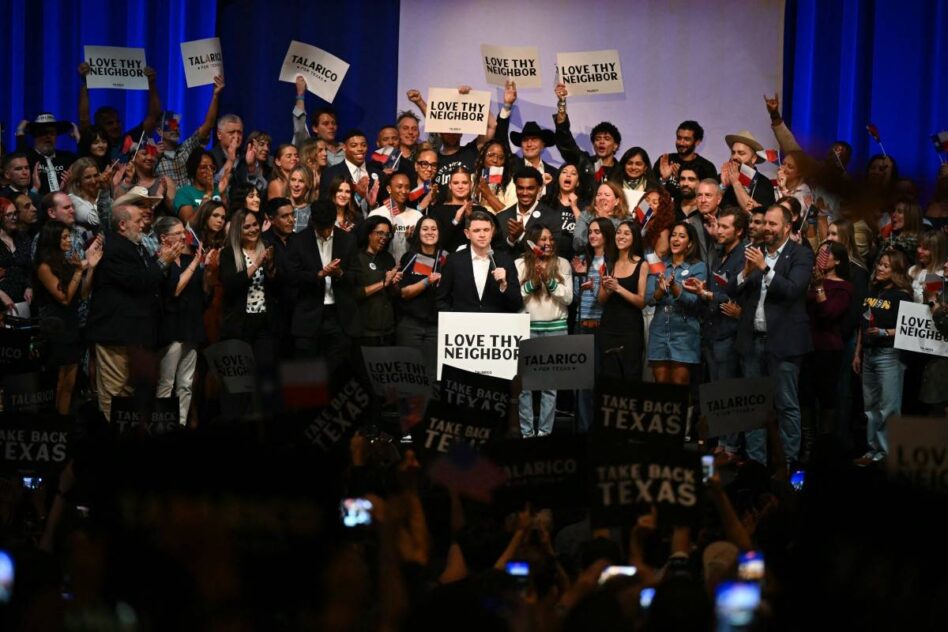

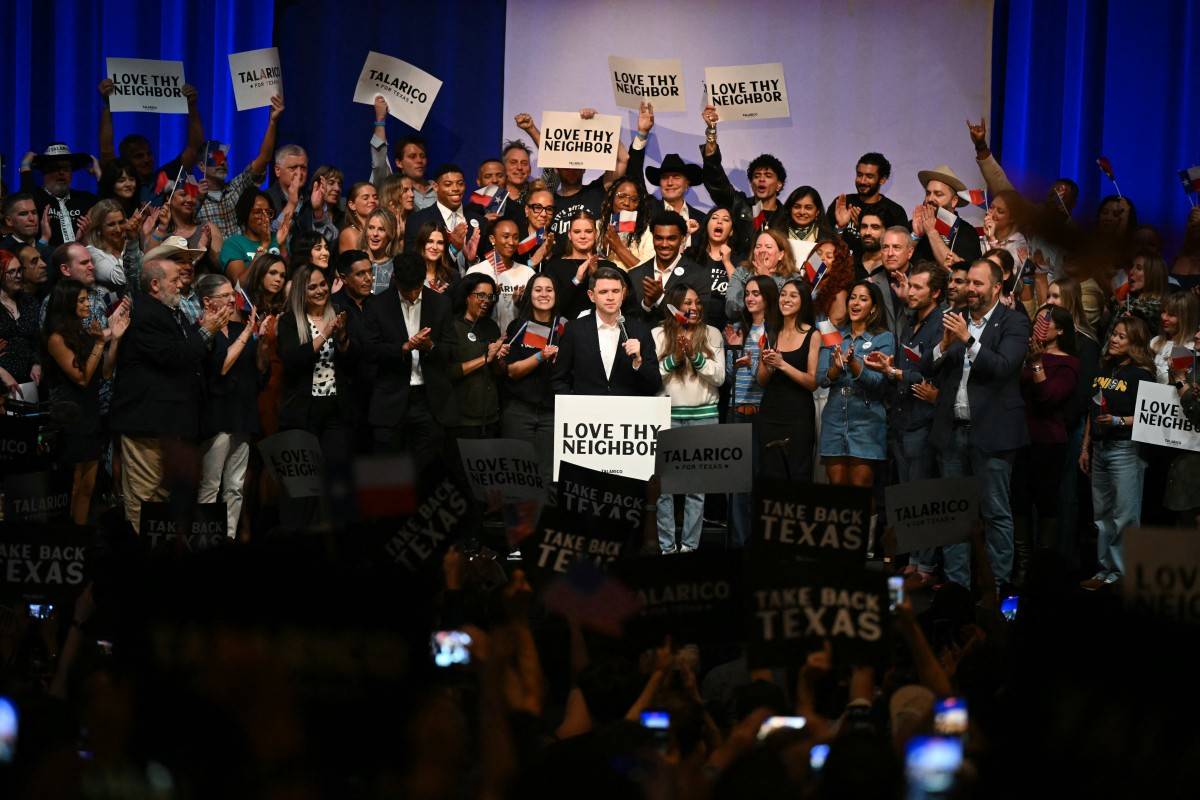
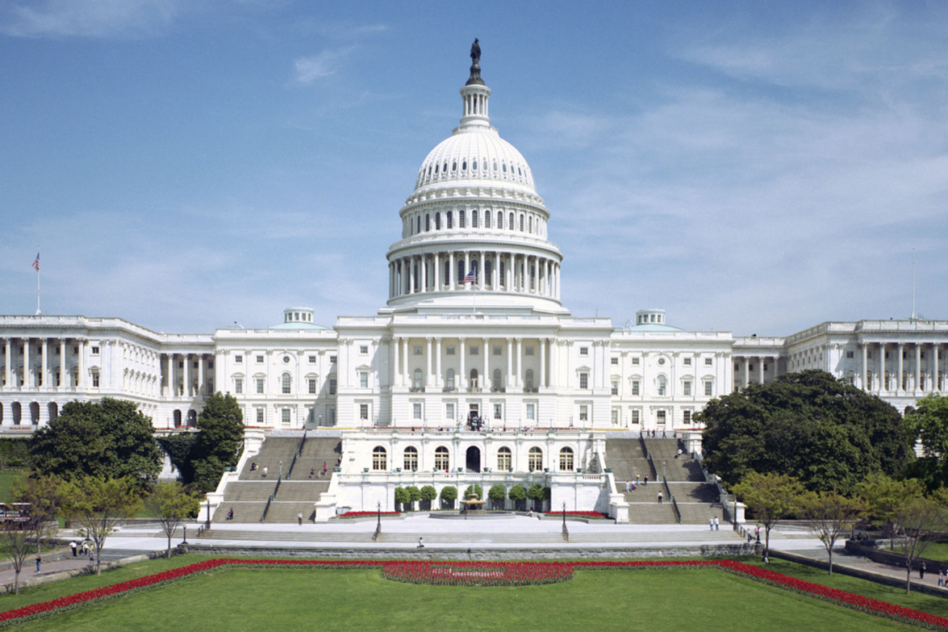
THE Democratic Party’s victory in the Nov 3 United States midterm elections, securing control of both the House of Representatives and the Senate, represents a significant political setback for President Donald Trump.
Beyond Washington’s domestic political contest, the outcome could influence international trade, investment confidence and the strategic environment in the Indo-Pacific.
For Malaysia, the implications are significant because its economic prospects and regional security interests are closely connected to American policy.
However, interpreting the outcome as an immediate reversal of the Trump administration’s policies would be premature.
The new Democratic-controlled Congress, which takes office in January 2027, will have greater capacity to scrutinise legislation, influence federal spending and investigate executive decisions.
Nevertheless, the president retains considerable authority over foreign policy, national security and trade-related executive measures. The question is how the new balance of power will constrain or redirect the administration during the remainder of Trump’s term.
Trade: Tariffs remain a concern
Malaysia’s immediate concern is the future of reciprocal tariffs and their implications for export competitiveness.
The United States remains an important economic partner, particularly for electrical and electronics products, semiconductor manufacturing, machinery and technology exports.
Bilateral trade in goods and services reached an estimated US$94.7 bil (RM399 bil) in 2025, underlining the importance of predictable economic relations.
Democratic control of Congress could increase scrutiny of tariffs because of their effects on consumer prices, business costs and international supply chains. Greater oversight could demand clearer justification and consultation over trade measures.
Nevertheless, congressional opposition does not automatically translate into tariff reductions. The administration may retain the ability to maintain existing restrictions under delegated executive authority, while legislative efforts to reverse them could face political and procedural obstacles.
Malaysia should therefore not assume the election will deliver concessions or improved market access. It should sustain engagement with both parties in Washington, monitor trade legislation and prepare for different tariff scenarios.
Diversification through ASEAN, the Regional Comprehensive Economic Partnership (RCEP) and the Comprehensive and Progressive Agreement for Trans-Pacific Partnership (CPTPP) can help reduce excessive exposure to any single market.
Investment: Confidence requires predictability
The election may also affect investment decisions. Businesses making long-term commitments consider policy predictability, regulatory direction and access to technology.
Political division in Washington could create uncertainty over taxation, incentives, government procurement, export controls and industrial policy.

Malaysia has positioned itself as a destination for semiconductor manufacturing, advanced electronics, data centres and digital infrastructure. It should prioritise investments that strengthen domestic capabilities rather than merely expand production.
Projects should be assessed by their contributions to skilled employment, local suppliers, research and development, technology transfer and workforce training.
This requires consistent regulation and credible safeguards. Semiconductors, artificial intelligence, data infrastructure and advanced manufacturing can carry strategic and security implications.
Malaysia should strengthen investment screening, cybersecurity standards, data governance and supply-chain transparency without discouraging legitimate investment through unnecessary barriers.
A clear regulatory framework will reassure investors that Malaysia remains open and commercially reliable.
Indo-Pacific: Continuity matters
The result also raises questions about the consistency of American engagement in the Indo-Pacific. A Democratic-controlled Congress may scrutinise defence spending, military deployments, security assistance and regional commitments.
Congressional oversight could influence funding priorities, but it does not necessarily produce a fundamental change in strategic objectives.
For Malaysia, uncertainty over American engagement matters because regional stability depends on credible diplomacy, predictable security partnerships and respect for international law.
Developments in the South China Sea, maritime security and freedom of navigation directly affect Malaysia’s national interests and trade routes.
Malaysia should strengthen ASEAN centrality, support peaceful dispute resolution and maintain practical cooperation with regional partners. Priorities should include maritime confidence-building, adherence to international law and mechanisms that reduce the risk of miscalculation.
A strategic response from Kuala Lumpur
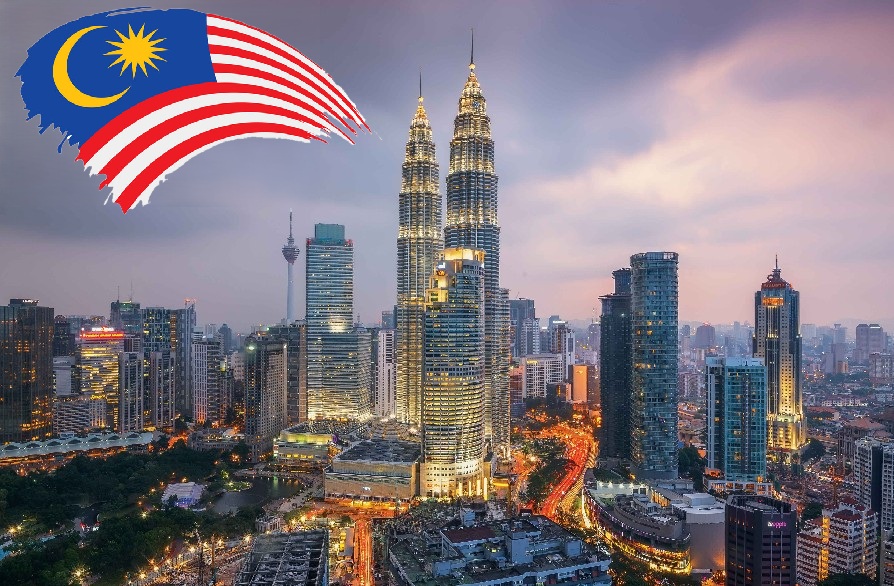
The election offers Malaysia an opportunity to review its exposure to American policy shifts and strengthen economic resilience.
Government agencies and businesses should assess tariff risks, identify vulnerable export sectors, improve supply-chain readiness and pursue investments that create domestic value.
Malaysia should maintain regular engagement with the US administration and Congress, recognising that bilateral relations extend beyond any single president or political party.
Ultimately, political change does not necessarily mean policy change. Malaysia should neither expect a dramatic American reversal nor underestimate the significance of congressional oversight.
Pragmatic diplomacy, diversified trade, quality investment and ASEAN-centred cooperation will be essential to protecting national interests.
In an uncertain international environment, Malaysia’s strongest position will depend on remaining economically competitive, institutionally resilient and strategically independent. ‒ Nov 10, 2026
R. Paneir Selvam is the principal consultant of Arunachala Research & Consultancy Sdn Bhd, a think tank specialising in strategic national and geopolitical matters.
The views expressed are solely of the author and do not necessarily reflect those of Focus Malaysia.
Main image: AFP/Ronaldo Schemidt