

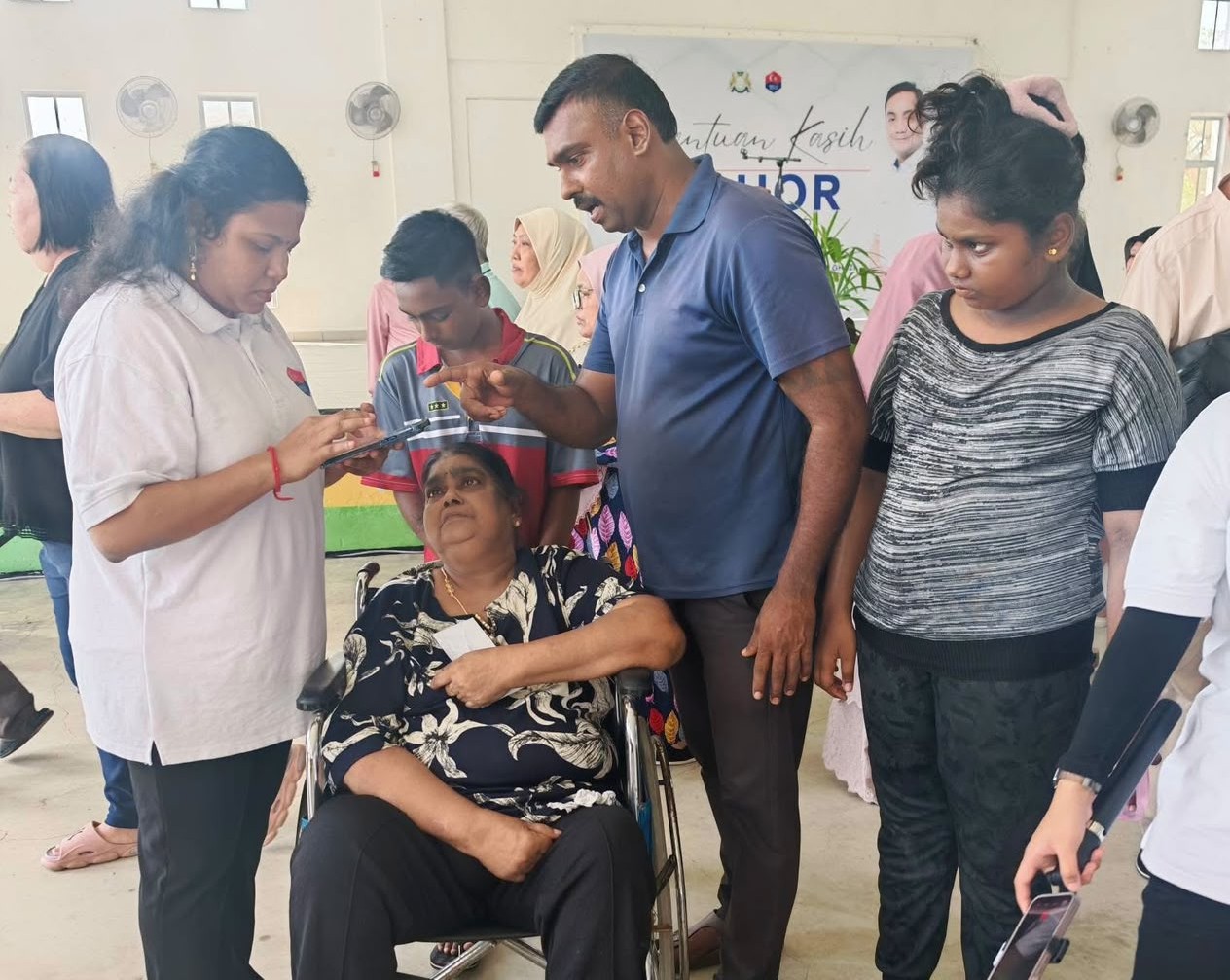
WHEN government offices close for the day, public service does not necessarily end.
Across Malaysia, there are still residents seeking guidance on welfare assistance, school admissions, housing applications, identity documents, healthcare support and a host of other everyday concerns.
Many only find the time to seek help after work, after collecting their children from school, or after attending to family responsibilities. By then, official counters may have closed, but their questions remain.
These encounters highlight an important reality. For many Malaysians, the challenge is not always the absence of assistance. More often, it is understanding how to access it.
Over the years, Malaysia has introduced numerous programmes to support its people, ranging from educational assistance and healthcare initiatives to entrepreneurship schemes and social protection programmes. Yet the existence of a programme does not automatically guarantee its impact.
Information gaps remain a significant challenge, particularly among vulnerable groups.
Elderly citizens unfamiliar with digital platforms, families with limited access to information, and individuals navigating government processes for the first time often find themselves overwhelmed by procedures, requirements and documentation.
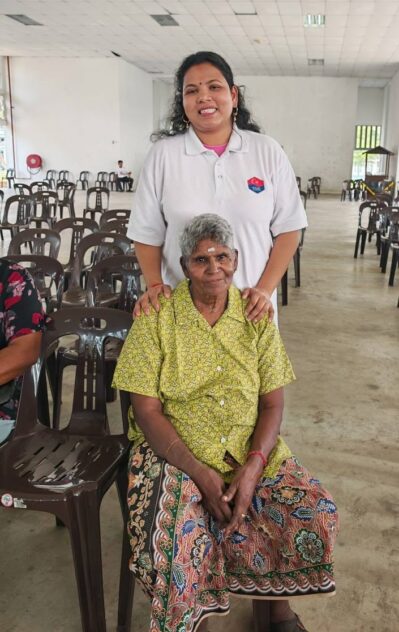
What may appear straightforward to those working within the system can be far less obvious to those outside it. A form may seem simple to complete. An online application may appear user-friendly. A list of requirements may look clear on paper.
For someone encountering the process for the first time, however, each step can become a source of uncertainty. A missing document, an unfamiliar term or a misunderstanding of eligibility criteria may discourage them from proceeding altogether.
This is where community engagement becomes especially important.
While policy design and programme implementation remain essential, equal attention must be given to communication and accessibility. Citizens should not need specialised knowledge to understand services intended for their benefit.
The success of a programme depends not only on how well it is designed, but also on how easily people can access it.
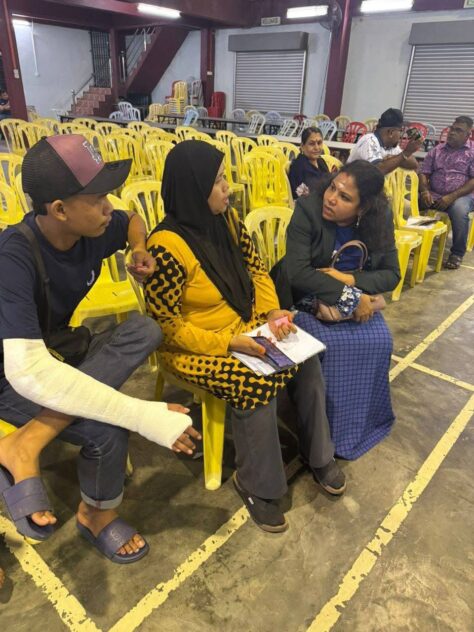
In many cases, meaningful assistance begins with a conversation. Community leaders, volunteers, civil society organisations and local representatives often serve as the bridge between institutions and citizens. They help explain procedures, clarify requirements and direct individuals to the appropriate channels.
Their role may appear modest compared to major policy initiatives, but it often determines whether assistance reaches its intended recipients.
This becomes even more important when working with disadvantaged communities. Those facing financial hardship, educational barriers or social challenges frequently need more than information alone. They also require reassurance, guidance and encouragement to engage with systems that may seem unfamiliar or intimidating.
Accessibility should therefore be viewed as a core component of governance rather than an afterthought.
As governments increasingly embrace digital solutions, this challenge becomes even more relevant. Digitalisation brings efficiency, transparency and convenience, all of which should be encouraged.
At the same time, not everyone progresses at the same pace. Many people still rely on face-to-face engagement and personal guidance.
A truly inclusive approach requires both technological advancement and human connection.
Public trust is often built through these everyday interactions. When citizens feel heard, they are more likely to engage constructively with institutions.
When information is accessible, they are better equipped to make informed decisions. When assistance is easy to navigate, programmes are more likely to achieve their intended purpose.
Major projects and policy announcements often receive public attention, and rightly so. Yet there is another side of public service that receives far less recognition. It takes place in community halls, service centres, schools and neighbourhood gatherings.
It happens through conversations where questions are answered, concerns are addressed and pathways are explained.
These moments rarely make headlines. Nevertheless, they play an important role in shaping public confidence and ensuring that assistance reaches those who need it most.
A responsive government is not defined solely by the number of programmes it introduces. It is also measured by how effectively those programmes reach ordinary people.
The people who come after office hours remind us of this reality. Most are not seeking special treatment. They simply want to understand their options, navigate the system and improve their circumstances.
Helping them do so is a responsibility shared by all who serve the public. Because meaningful public service does not end when the office closes. In many ways, that is often when it begins. ‒ June 23, 2026
The author is a special officer to the Johor Menteri Besar.
The views expressed are solely of the author and do not necessarily reflect those of Focus Malaysia.