

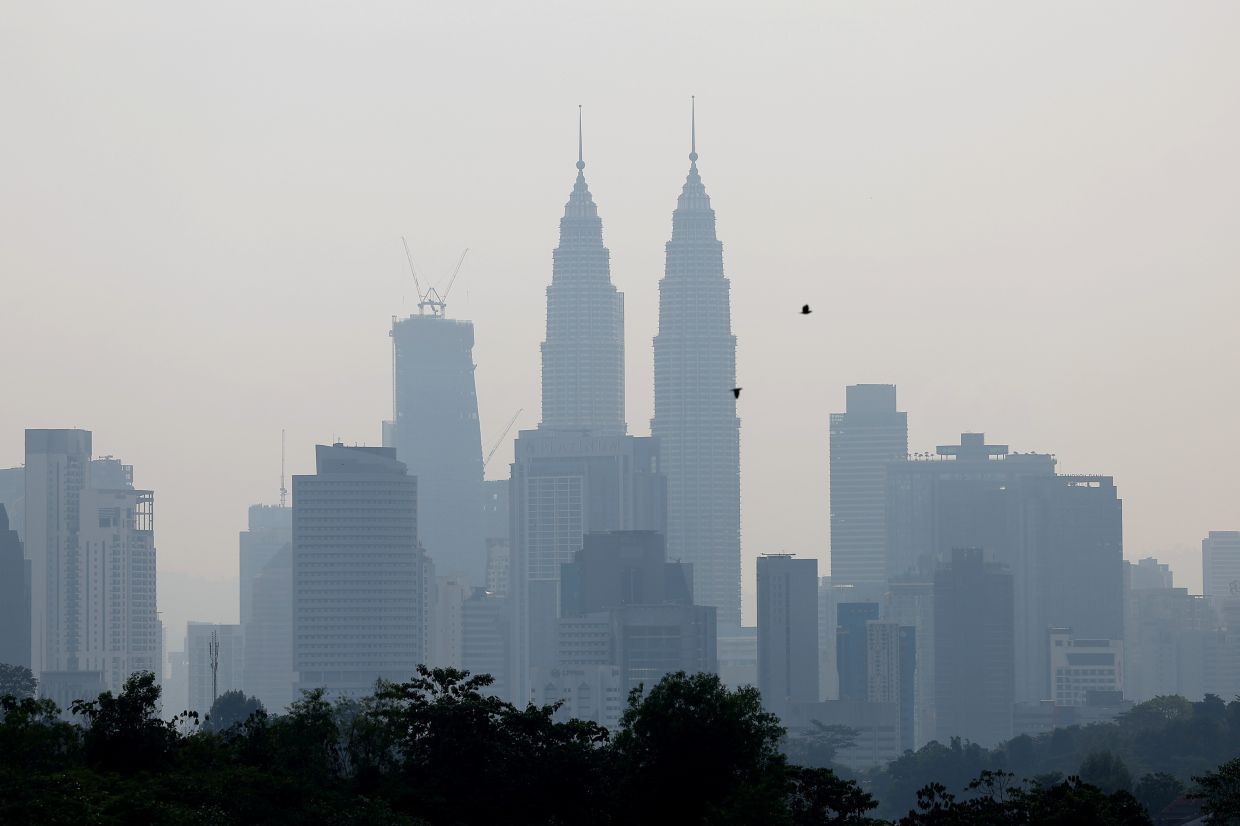
ON Sept 4, the Yang di-Pertuan Agong consented to a state of emergency across Serian district in Sarawak after the Air Pollutant Index (API) reached 515. The decision followed advice from Prime Minister Datuk Seri Anwar Ibrahim, Sarawak Premier Tan Sri Abang Johari Openg and the relevant agencies.
The same day, Kuching recorded a hazardous reading of 306, while Samarahan and Sri Aman registered 292 and 241 respectively.
These are not merely numbers. The last haze emergency affecting Kuching was in September 1997, when the API reached 650. A whole generation born after that crisis is now witnessing, for the first time, just how severe Malaysia’s air pollution can become.
The immediate cause lies across the border.
Fires have destroyed vast areas of forest and peatland in Borneo and Sumatra, producing the thick haze that has drifted into Malaysia.
This year’s fire season has been reported as Indonesia’s worst in more than a decade, with drought conditions intensified by a strong El Niño. Yet this is not simply a natural disaster.
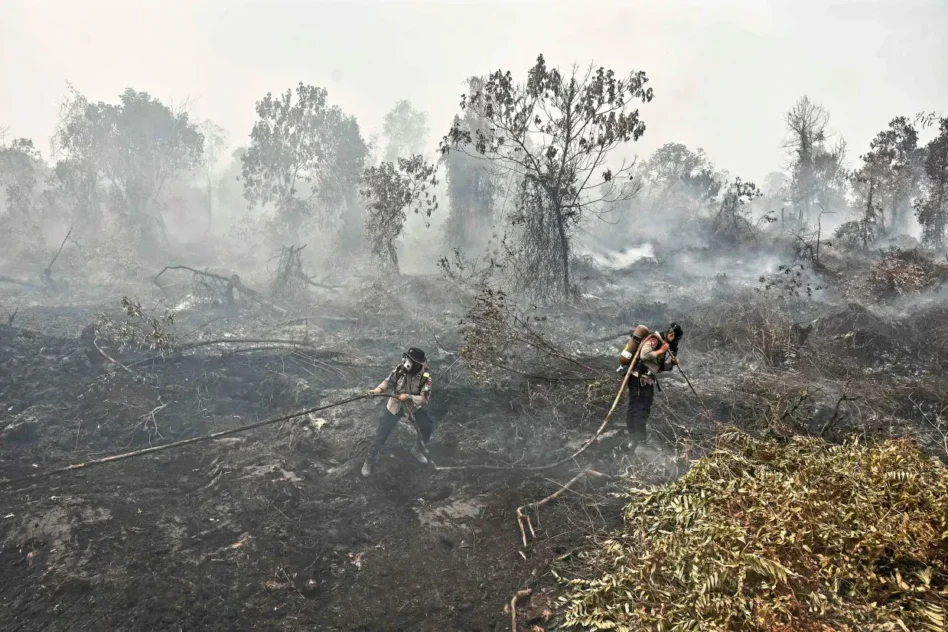
As Nusantara Atlas founder David Gaveau has argued, El Niño does not ignite the fires. It creates the dry conditions that allow human-caused fires to spread rapidly.
Reports from Kompas indicate a sharp increase in hotspots across Kalimantan since early August, with many detected on oil palm plantation land.
Indonesia has mounted a substantial response, deploying dozens of aircraft for water bombing and cloud seeding, while Japan has contributed additional aircraft and personnel.
But peat fires present a different challenge because they continue smouldering underground long after surface flames disappear.
The health consequences are already severe.
In Indonesia, pollution-related respiratory cases more than doubled within eight days, rising from 50,891 to 113,336 between Sept 1 and Sept 9, while more than 12.5 million people across seven provinces have been exposed to the smoke.
Malaysia faces the same biological reality.
The PM2.5 particles carried in peat smoke are small enough to enter the bloodstream rather than merely irritate the lungs.
Children, older people, pregnant women, asthma sufferers and those with heart disease remain particularly vulnerable.
For construction workers, market traders, delivery riders and farmers, however, the advice to stay indoors is often not a realistic option.
The educational cost is equally significant. The Sarawak State Education Department confirmed the closure of 591 schools, disrupting learning for more than 197,000 pupils.
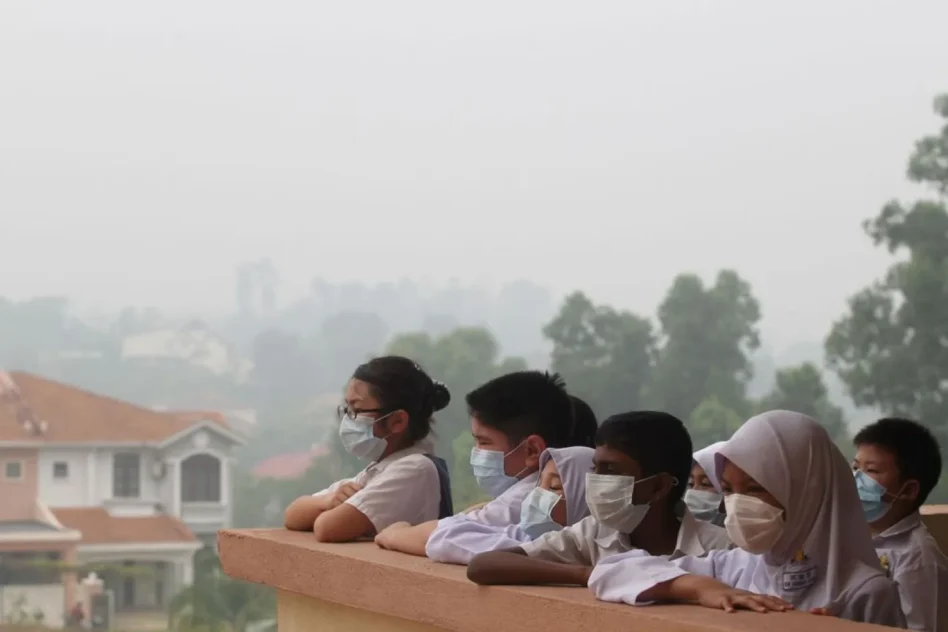
Every missed school day carries a long-term cost that rarely appears in official economic calculations.
The timing is particularly challenging for tourism.
Malaysia is pursuing ambitious Visit Malaysia 2026 targets, aiming for 26.1 million international visitors and RM97.6 bil in domestic tourism spending. The early momentum has been encouraging despite flight disruptions linked to geopolitical tensions elsewhere.
But haze attacks where tourism is most vulnerable: perception.
Malaysia’s strongest tourism products remain outdoors, whether climbing Mount Kinabalu, diving at Sipadan, exploring Sarawak’s national parks, visiting Langkawi or walking through George Town. None of these experiences can simply be relocated indoors.
When images of grey skies circulate internationally, many prospective visitors will not distinguish between Serian and Melaka. They simply associate Malaysia with haze.
Previous episodes have shown the pattern repeatedly: hotel bookings soften, sporting events and conferences are postponed, outdoor activities are cancelled, and small operators such as guides, boat operators and homestay owners bear the greatest financial losses.
The response must therefore operate on several fronts simultaneously.
Malaysia should continue applying firm but constructive diplomatic pressure through ASEAN, because the Agreement on Transboundary Haze Pollution already exists but remains constrained by limited enforcement mechanisms.
Malaysian-linked land concessions in Indonesia should also be audited transparently, since accountability becomes more credible when domestic business interests are not excluded from scrutiny.
At home, public health measures should become more automatic rather than reactive.
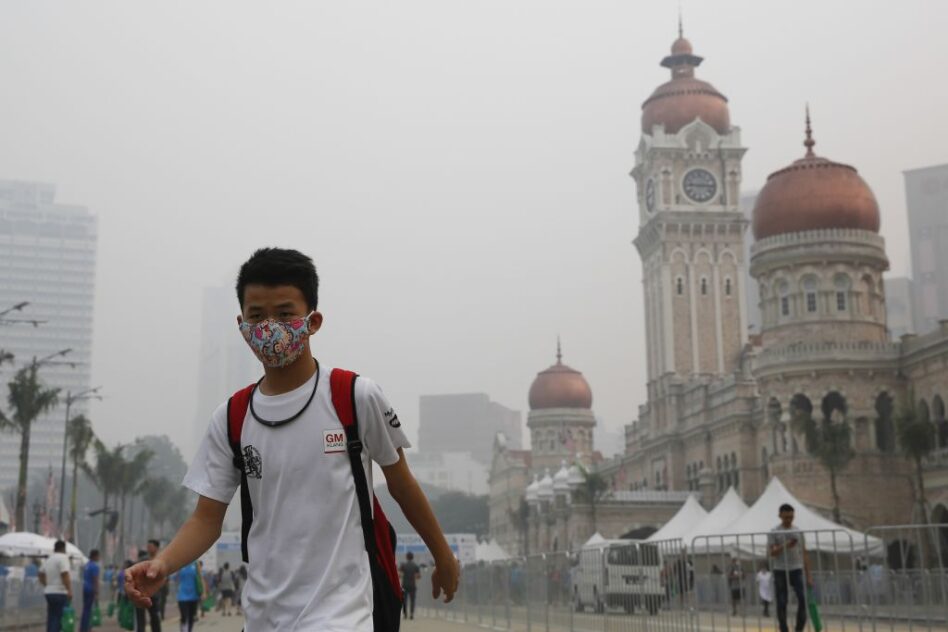
Free N95 masks for vulnerable groups, designated clean-air shelters in community halls and schools, and clear guidance for outdoor workers once the API exceeds 200 would strengthen preparedness before conditions become critical.
Tourism Malaysia likewise needs a credible crisis communication strategy. Publishing destination-specific air quality updates, encouraging flexible cancellation policies and temporarily highlighting indoor attractions such as museums, cultural performances and gastronomy would demonstrate transparency rather than denial.
Eventually, the rains will come and the haze will lift.
The deeper problem is that Malaysia has too often treated rain as the solution instead of treating preparedness, regional cooperation and accountability as the policy. ‒ Sept 28, 2026
The author is a Senior Lecturer at the Department of Professional Education and Postgraduates, Faculty of Technical and Vocational Education (FPTV), Universiti Tun Hussein Onn Malaysia.
The views expressed are solely of the author and do not necessarily reflect those of Focus Malaysia.
Main image: Bernama