

VARIOUS organisations and individuals have called on the government to provide a clear timeline for tabling the Ombudsman Bill, saying repeated delays have raised questions over the status of a key institutional reform.
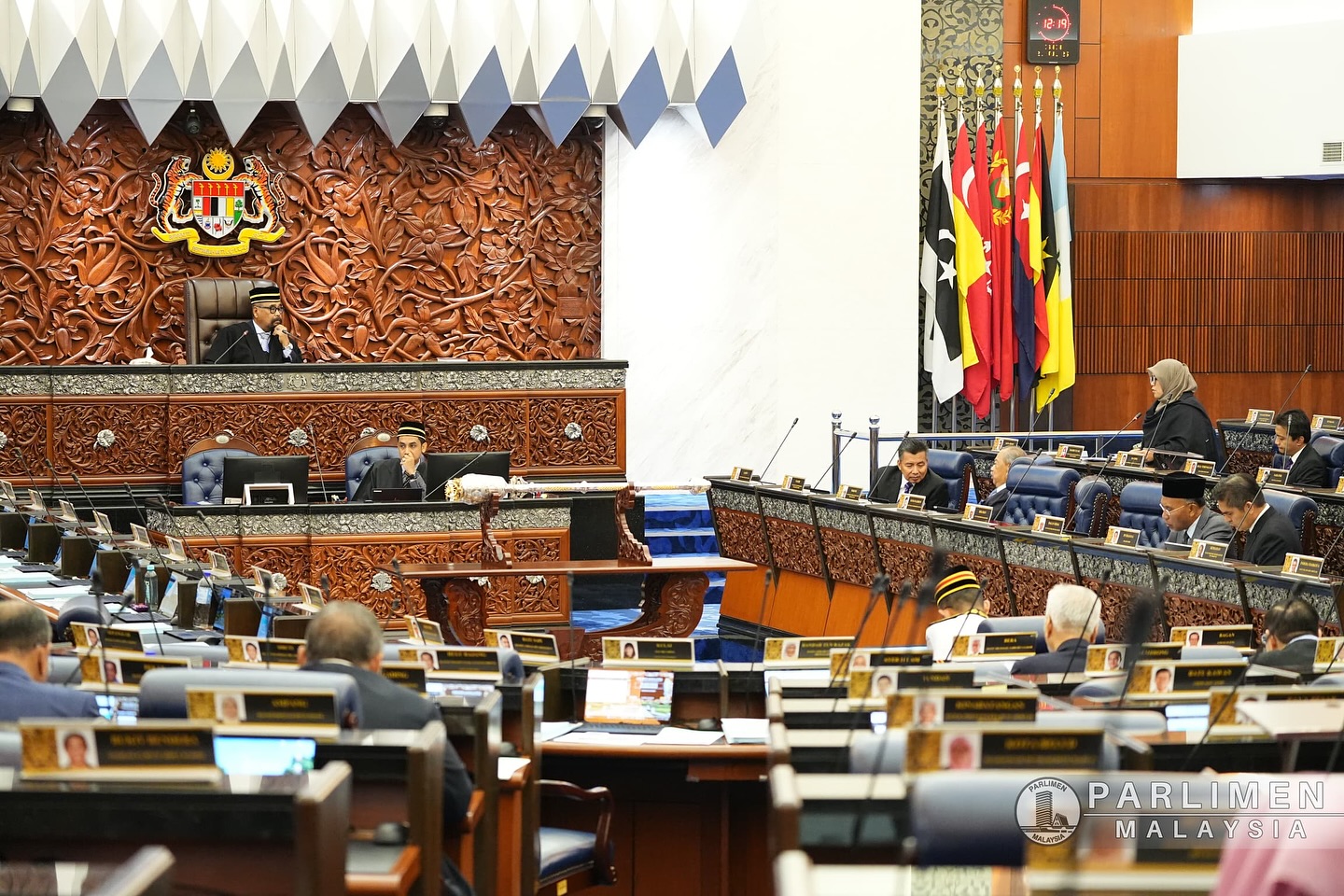
With the final Parliamentary sitting of 2026 approaching, the groups said the government should clarify when the long-promised Ombudsman Bill will finally be brought before Parliament.
In a joint press statement on Thursday (Aug 13), the Center to Combat Corruption and Cronyism (C4 Center) and several civil society organisations stressed that the proposed Ombudsman Malaysia is intended to provide an independent mechanism to manage and resolve complaints involving public service delivery.
“The introduction of an Ombudsman has been an integral element of this administration’s institutional reform efforts,” the statement read.
“It has been mentioned as a target in the National Anti-Corruption Strategy 2024-2028, the National Action Plan on Business and Human Rights 2025-2030, and before the UN Human Rights Council during Malaysia’s fourth-cycle Universal Periodic Review in 2024. Yet this reform agenda has been consistently delayed over the past few years.”
“Most recently, Prime Minister Datuk Seri Anwar Ibrahim announced on Facebook in December 2025 that the Ombudsman Bill was scheduled to be tabled in early 2026; and that the Ombudsman would not only be tasked with managing and resolving public complaints, but would also be granted a broader mandate over issues of governance, misconduct, whistleblower protection, and freedom of information.
“Subsequently in May 2026, Minister in the Prime Minister’s Department (Law and Institutional Reform) Datuk Seri Azalina Othman Said reaffirmed the government’s commitment to tabling the Ombudsman Bill in the July Parliamentary sitting.
“Again and again, the government promises that this Bill shall be introduced yet fails to do so at each session of Parliament.”
The group said the government’s proposed framework also raises a legal inconsistency, as the Freedom of Information Bill 2026 refers to the Ombudsman’s role as an oversight body despite the absence of an Ombudsman Act.
They said an independent Ombudsman would provide an external avenue for investigating complaints against public agencies and address potential conflicts of interest in the existing complaints-management system, where departments or agencies may be required to deal with complaints concerning their own conduct.
Complaints about public service delivery could also help identify gaps and weaknesses in government services and contribute to improvements in service delivery, the group said.
The groups also questioned the progress of the proposed legislation after the Legal Affairs Division of the Prime Minister’s Department (BHEUU) engaged international experts and Ombudsman institutions and established working committees involving government agencies, civil society organisations and academics.
“After all the time, effort and resources invested in this process, what is the outcome?” they asked.
The group emphasised that the proposed Ombudsman should be established as an independent statutory body accountable to Parliament rather than the Executive.
Its investigative and supervisory jurisdiction should cover public services, federal statutory bodies and privatised public utility providers, while the appointment and removal of Ombudspersons should be subject to parliamentary selection and scrutiny, it said.
The Ombudsman should also have sufficient autonomy over its staffing and budget to prevent undue executive interference, according to the group.
Its investigative powers should be broad enough to include own-motion investigations, the ability to compel cooperation from witnesses and access to relevant documents and premises.
The legislation should also establish mechanisms to ensure government bodies respond to the Ombudsman’s recommendations, including written explanations where recommendations are not implemented, the group said.
The groups further called for a specialised Parliamentary Select Committee to scrutinise the Ombudsman’s reports, conduct follow-up inquiries, recommend reforms and exercise appropriate oversight over the institution.
The establishment of an Ombudsman could improve public service delivery and strengthen public trust in government, they stated.
They urged the government to provide a transparent timeline for tabling the Bill and ensure the proposed legislation establishes a progressive, rights-based framework aligned with international best practices, particularly in safeguarding the Ombudsman’s autonomy and protecting it from executive interference.
The group also called for continued engagement with civil society organisations and academics in the development, implementation and review of key legislation, policies and institutional reforms. ‒ Aug 13, 2026