
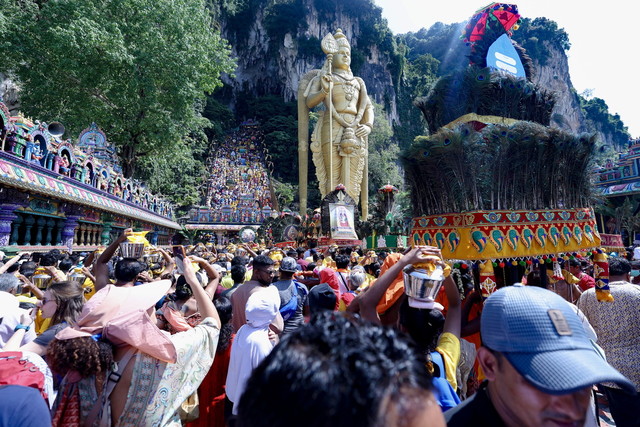
BATU Caves is more than a religious landmark; it is a living symbol of Malaysia’s Hindu heritage, drawing millions of devotees and visitors each year.
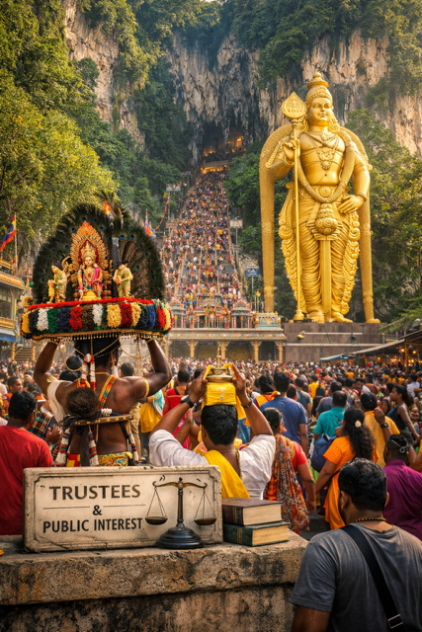
During Thaipusam, the site comes alive with chants of “Vel! Vel!”, the rhythmic beat of drums, and kavadi bearers ascending its 272 steps, carrying vows, milk pots, and deeply personal prayers.
Crowds gather well before dawn, often days ahead of Thaipusam itself, turning the site into one of the largest religious congregations in the country.
The problem with a misleading question
Public discourse often frames the issue as a choice between two options: Is Batu Caves public property or private property?
In law, governance, and long-established practice, particularly in plural societies shaped by both civil and religious traditions, there exists a third and distinct category: Property held in trust for public religious and cultural use.
This is where Batu Caves belongs. It is not “owned” in the conventional sense; it is entrusted for purposes that extend beyond personal or private control. Trusteeship, in this context, creates obligations of a legal, ethical, and moral nature rather than conferring unilateral rights.
Land, temple and trust
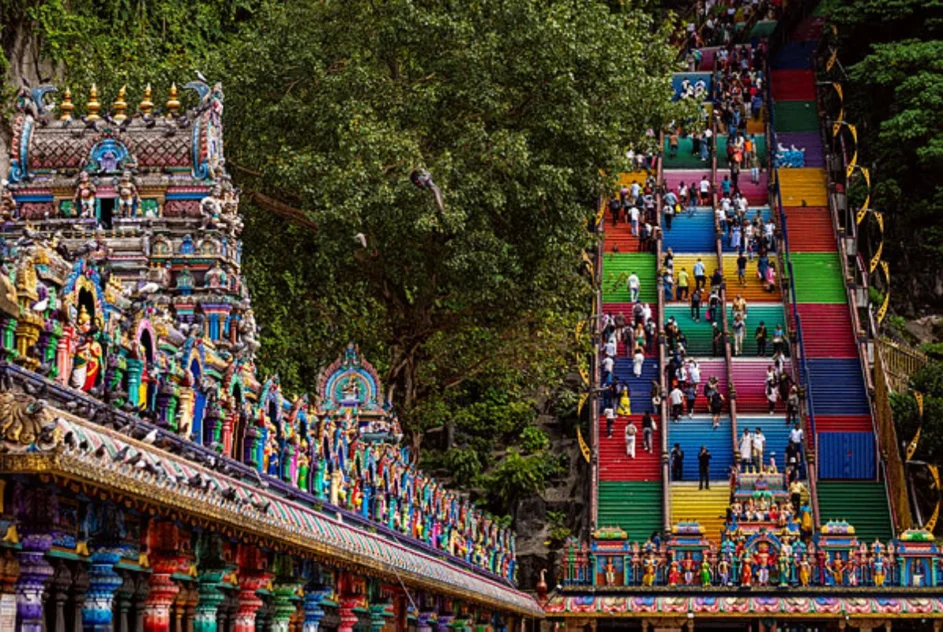
The land on which Batu Caves stands is state land, administered by the Selangor government under public land laws.
This position has been reaffirmed in recent decisions relating to land use and development applications, which remain subject to state approval and oversight.
The temple structures and religious affairs are administered by a charitable trust, established by court order in 1930. The trust’s purpose is not ownership in the commercial sense but the continuity of worship, preservation of sanctity, and service to the public.
Trustees are legally and morally accountable to ensure that the site remains accessible, maintained, and true to its purpose.
This separation between land ownership, trusteeship, and religious use is intentional. It reflects a legal and ethical understanding that certain places, particularly sacred sites, carry significance beyond ordinary property rights or commercial logic.
Current public debate: The escalator application
Recent public attention has centred on a proposed escalator project at Batu Caves. In 2025, the Selangor state government declined to grant a Temporary Occupation Licence for the escalator because the application was submitted under an individual’s name rather than that of a registered organisation.
This is in accordance with land rules under the National Land Code and state land regulations governing reserve land. Authorities explained that approvals for developments on state land must comply with legal and planning requirements, and that proposals submitted by private individuals cannot be processed.
Temple representatives have stated that the escalator proposal was initially submitted under the temple’s charitable trust status.
However, this was later deemed procedurally incomplete when authorities requested a form of registration the trust does not possess, as it operates under the supervision of the Attorney-General’s Chambers rather than as a society registered with the Registrar of Societies (ROS).
The trustees have indicated their intention to pursue judicial review on this procedural issue and have issued a legal letter of demand over comments implying private ownership, arguing that such characterisations misrepresent the legal status of the temple.
This exchange has highlighted the need for clearer public understanding of the temple’s legal and governance arrangements as well as the procedural requirements that apply to development proposals on state land.
It underscores a broader principle: managing sacred spaces requires careful adherence to legal frameworks, public-interest obligations, and trusteeship responsibilities, while accommodating dialogue and inquiry from the wider community.
Public scrutiny, when engaged responsibly, can strengthen confidence in trusteeship rather than undermine it.
Public interest is not interference
When people say, “Batu Caves is our temple” they are rarely asserting control. More often, they are expressing belonging, identity, and a sense of responsibility.
Public interest does not equate to entitlement, nor does it diminish the role of trustees. Rather, it recognises that sacred sites held in trust operate within a shared space of faith, heritage, and accountability.
Responsible public engagement is part of what sustains the temple’s relevance and legitimacy.
Funding does not define public responsibility
Another common misconception is that the absence of direct government funding removes public standing or public interest. This is incorrect. Public responsibility is shaped by purpose, access, and dedication, not by funding sources alone.
Batu Caves exists for permanent public worship and cultural continuity. Donations from devotees and tourists sustain its operations, but they do not alter its character or legal standing.
Public support through donations does not render a religious institution private; it affirms its role as a public-interest trust.
Beyond power struggles
This debate should not be reduced to management versus devotees, or authority versus public voice. Such framing creates unnecessary division and distracts from what truly matters.
Batu Caves functions because of a balance:
- The state safeguards the land
- The trust administers religious and cultural affairs
- The public gives the site its living meaning
Each role is distinct. Each is necessary. None is absolute. Recognising this balance ensures the temple remains protected from political, commercial, or personal exploitation.
A closing reflection
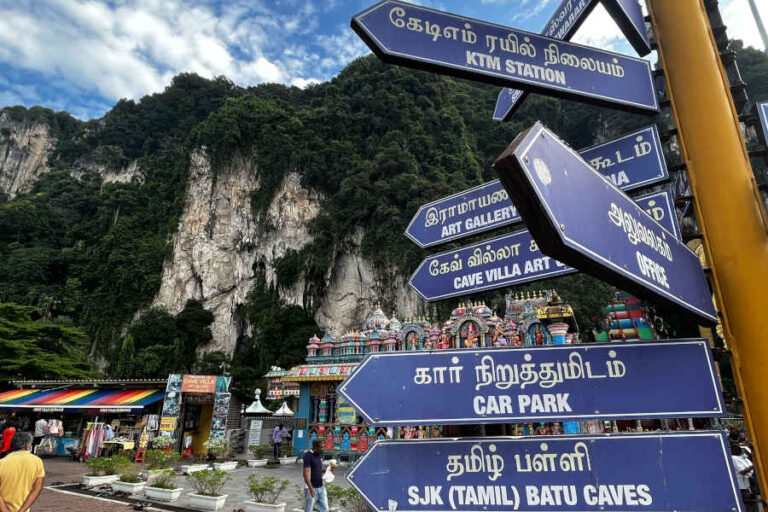
Batu Caves has endured not because it was privately controlled, but because it was entrusted. Its status as a religious and cultural trust on state land places it beyond narrow claims of ownership and beyond casual dismissal of public concern.
Trusteeship carries authority, but also responsibility. Public interest carries voice, but also restraint.
If all parties, including trustees, state authorities, devotees, and the wider public, approach this sacred site with clarity, humility, and respect for its unique status, Batu Caves can continue to serve not just the present generation, but many generations to come.
Its survival and vibrancy depend not on ownership disputes, but on a shared commitment to faith, culture, and accountability. ‒ Jan 14, 2026
Ts. Dr Manivannan Rethinam is the chairman of Majlis Gagasan Malaysia and is a policy, geopolitical, and public affairs analyst with nearly three decades of experience in strategic leadership, technology development, and national policy transformation.
The views expressed are solely of the author and do not necessarily reflect those of Focus Malaysia.
Main image: