
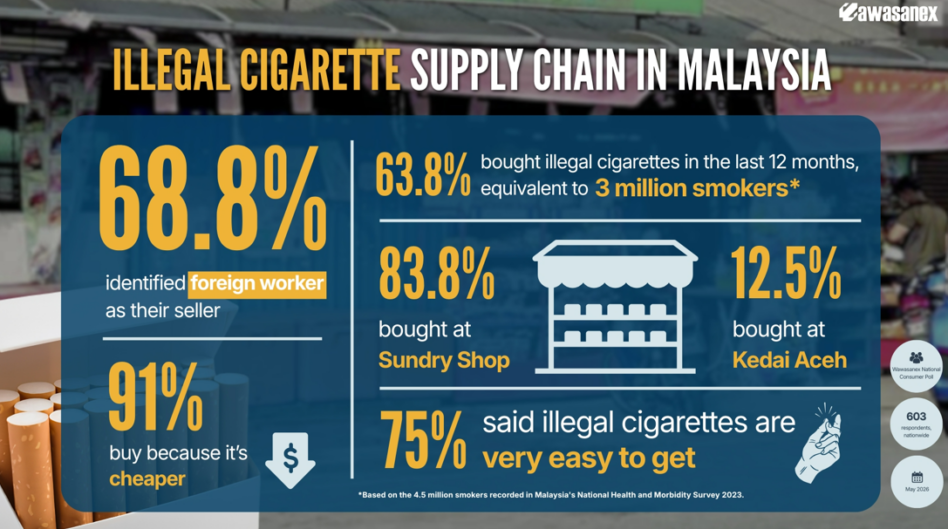
NEARLY two in three (63.8%) Malaysians have bought illegal cigarettes in the past 12 months, according to a new nationwide poll conducted in May 2026 by on 603 respondents across Peninsular and East Malaysia by Wawasanex, a Malaysian public policy start-up.
Based on the 4.5 million smokers recorded in Malaysia’s National Health and Morbidity Survey 2023, this suggests roughly three million Malaysians purchased illegal cigarettes in the past year alone.
Of these buyers, 68.8% identified a foreign national as the person who sold the cigarettes to them while a further 55% said the seller was a mix of both foreign and local individuals.
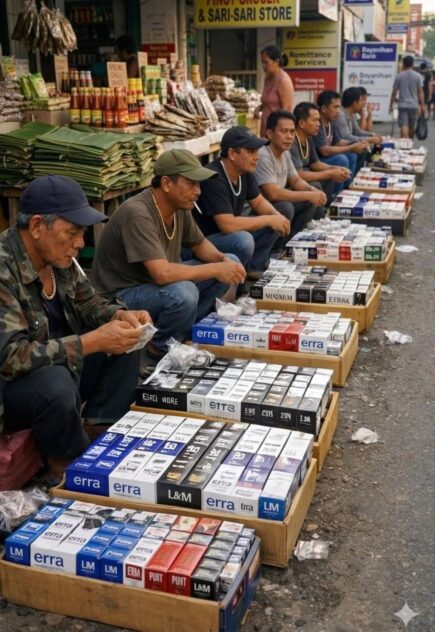
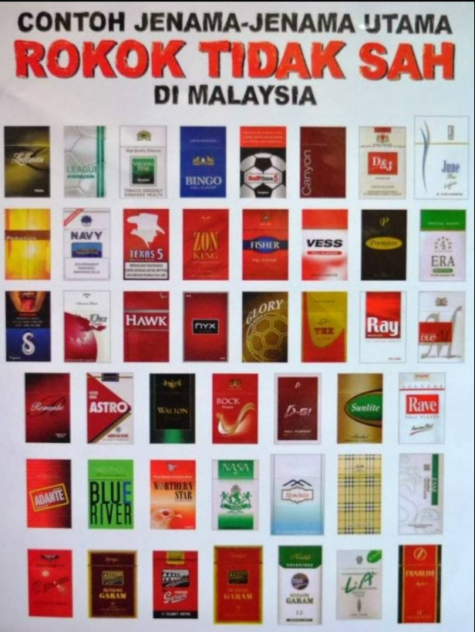
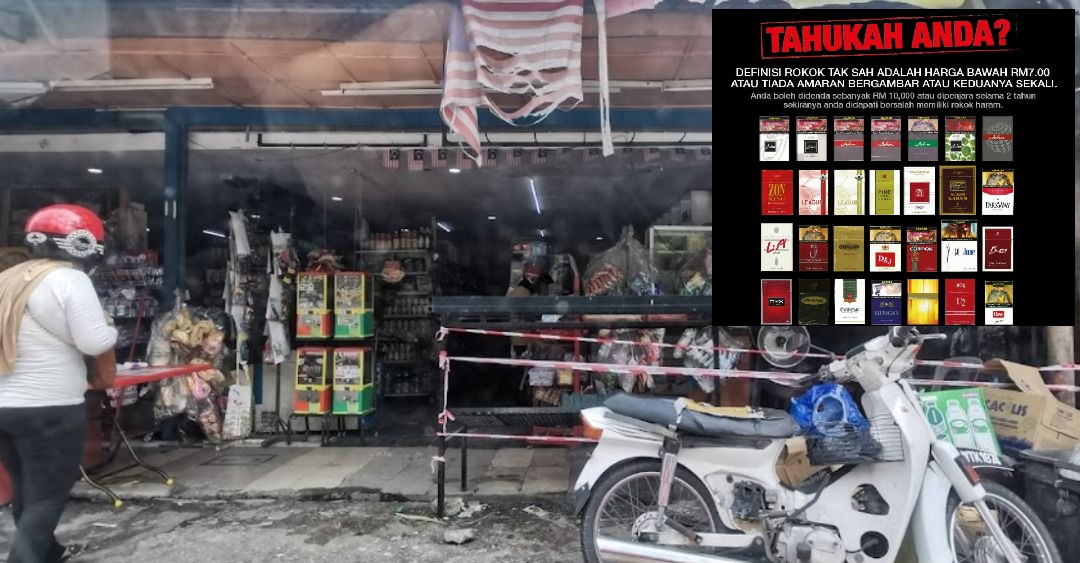
The poll found that the majority (99%) of respondents described illegal cigarettes as very easy (75%) or easy to obtain (24%) with 83.8% making their purchase at a sundry shop and 12.5% at a Kedai Aceh outlet.
A Kedai Aceh outlet is a common term for a sundry shop operated by Indonesian migrants.
“Our data shows that 68.8% of buyers identified a foreign national as their seller, a clear indication of how deeply embedded this network has become in everyday retail,” lamented Wawasanex’s founder and creative analytics director Dini Nurhani.
“These sales are not hidden or discreet. Illegal cigarettes are openly available at sundry shops and corner stores with buyers rarely facing any barriers from sellers. This points to an organised, well-established system that relies heavily on foreign workers to keep the trade running.”
Key findings from the Wawasanex poll include:
- 91% of respondents cited lower prices as the main reason for purchasing illegal cigarettes, while 75% acknowledged easy access was a contributing factor,
- 35% of respondents claimed illegal cigarettes were the only option available to them at the point of purchase, a reflection of how deeply the trade has taken hold in certain areas.
- When asked why illegal cigarettes remain so easy to obtain, 85% pointed to strong consumer demand with 55% of the sellers being willing suppliers. Only 1% said weak penalties were a reason for the trade’s persistence.
- 87% of respondents backed tougher legal penalties for all those involved in the trade, including employers and foreign workers found selling illegal cigarettes while 67.8% wanted higher fines and 65% called for stronger enforcement.
- 43% supported the public naming of businesses caught selling illegal products while 33.8% of respondents backed license suspension or revocation.
“Enforcement agencies are stepping up efforts but public perception is that those involved do not see consequences,” argued Dini.

“On the contrary, the consequences for involvement in the illegal cigarette trade are severe: A minimum fine of RM100,000 and a minimum of six months in prison under Section 135 of the Customs Act 1967.”
Added Dini:
The Royal Malaysian Customs Department is delivering on this by having seized RM903.49 mil worth of illicit tobacco over the past two years and foiling 7,097 cases in 2025 alone.
A PGA (General Operations Force) raid in Selayang Baru earlier this month involved an Indonesian national arrested with 389 cartons of contraband cigarettes.
But when the trade persists, it tells us that these consequences are simply not being seen or felt widely enough. There must be a stronger link between the crime and the consequences and this needs to be clearly communicated.
“Malaysians clearly want the authorities to act, and to act firmly. The public understands the severity of this problem.
What is needed now is for the consequences of selling illegal cigarettes to be made even more visible on the ground in the same shops and streets where this trade openly takes place every day.
Let this serve as a warning. Foreign nationals involved in the sale of illegal cigarettes need to take this more seriously. The authorities are watching and the risk of severe legal consequences is increasing. – May 28, 2026