

“HARAPKAN pagar, pagar makan padi” is a well-known Malay proverb describing a situation where someone entrusted to protect something instead betrays that trust.
The recent arrest of a former forest ranger in Sabah is a troubling example of that proverb in action.
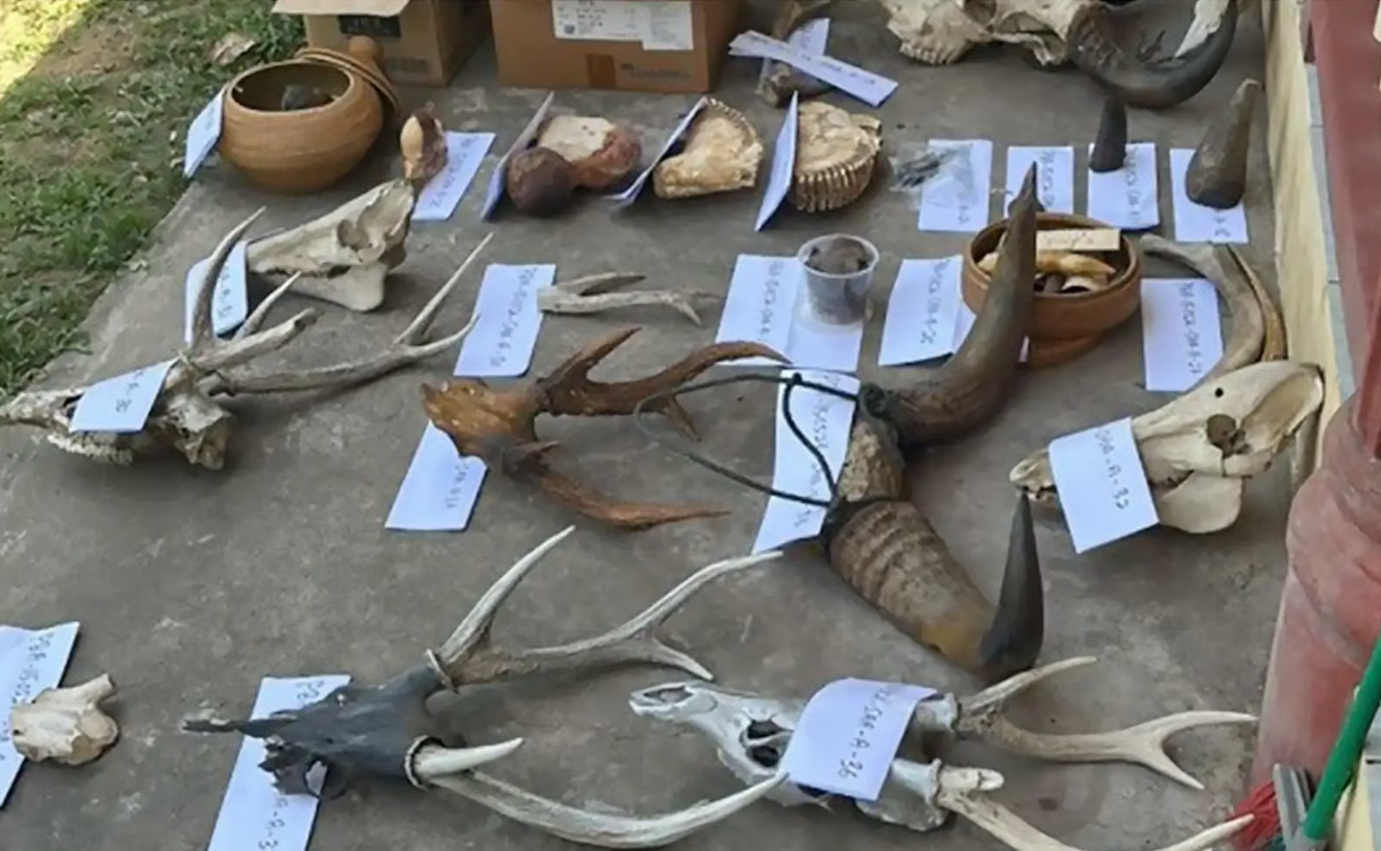
On May 15, authorities arrested a 61-year-old former forest ranger in Tuaran for allegedly possessing protected wildlife parts worth nearly RM590,000.
Among the items seized were 55 pairs of antlers, three rhinoceros horns, 330 pangolin scales, as well as python carcasses and skins, hornbill skulls, elephant bones and teeth, sambar deer antlers, bear skulls and other wildlife remains.
According to Bukit Aman Wildlife Crime Bureau SAC Datuk Mohd Zaki Ashar, the suspect had served as a forest ranger from 1986 before taking voluntary retirement in 2019. Investigators believe many of the animal parts were purchased from villagers in Sabah’s interior.
The case is particularly disturbing because forest rangers are entrusted with safeguarding wildlife and protecting fragile ecosystems from illegal hunting and poaching activities.
Many people assume those who choose such careers are motivated by a passion for conservation, environmental protection and outdoor work. Cases involving former enforcement personnel accused of participating in illegal wildlife activities therefore strike directly at public confidence in conservation efforts.
Malaysia continues to face significant challenges in combating wildlife trafficking. The global illegal wildlife trade is estimated to be worth billions of dollars annually, with Malaysia remaining both a source and transit hub within Southeast Asia.
Recognising the seriousness of the issue, the Royal Malaysia Police established the Bukit Aman Wildlife Crime Bureau in 2022 to strengthen efforts against transnational wildlife smuggling syndicates.
Incidents involving individuals once entrusted with enforcing environmental laws highlight the importance of maintaining integrity within enforcement agencies.
Public trust can only be sustained when those responsible for protecting wildlife uphold the laws they are meant to enforce.
Combating wildlife crime requires not only strong laws and enforcement operations, but also continuous oversight, accountability and institutional integrity.
When protectors themselves become implicated in illegal activities, the damage extends beyond individual crimes and undermines confidence in the entire system meant to safeguard the country’s natural heritage. ‒ May 27, 2026
YS Chan is a tourism, transport and training consultant.
The views expressed are solely of the author and do not necessarily reflect those of Focus Malaysia.
Main image: PDRM