

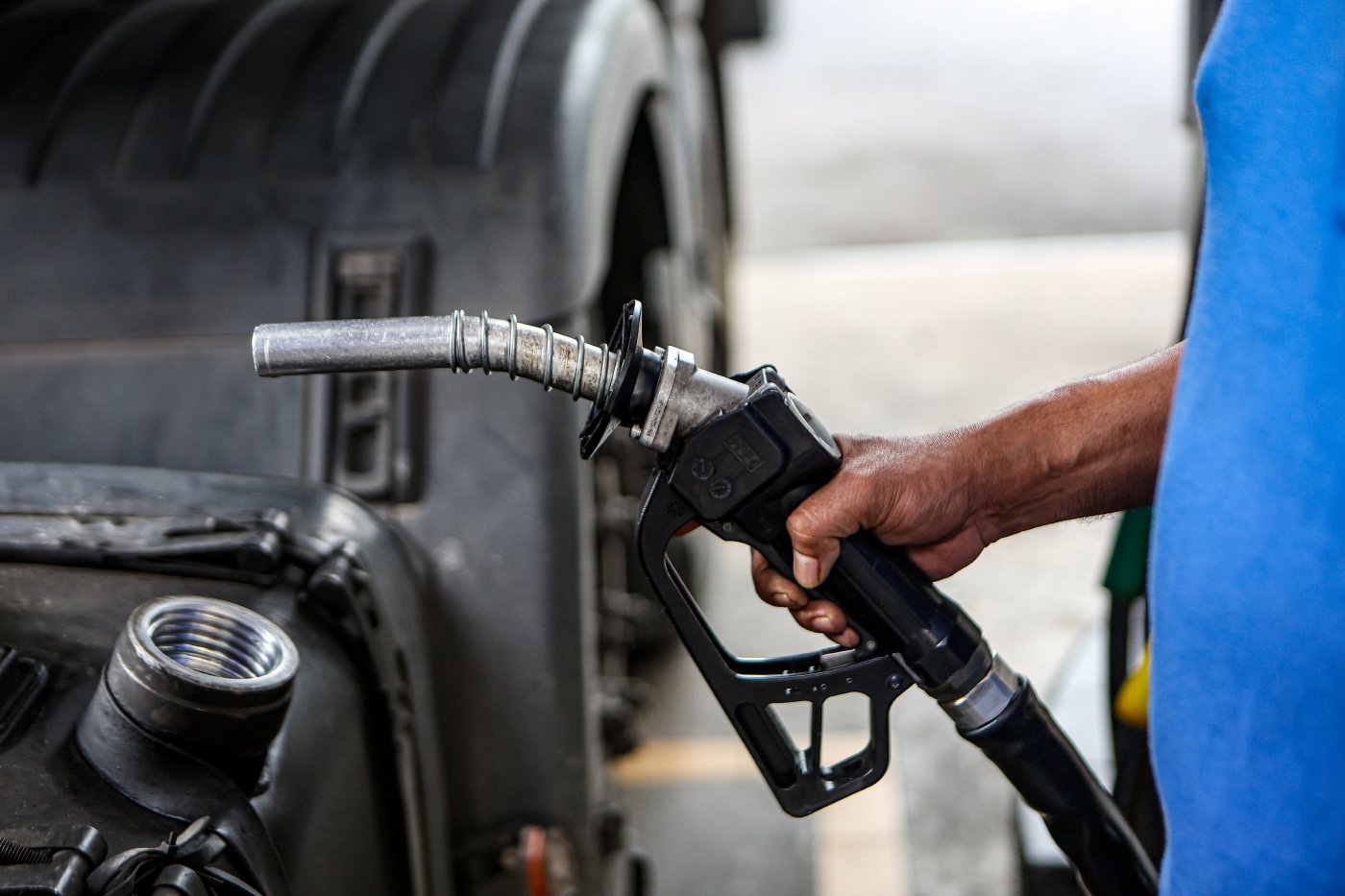
MOST Malaysians pay close attention to petrol prices because they affect the cost of driving. Yet from an economic perspective, diesel may be the more important fuel.
Petrol largely affects private transport, while diesel powers much of the country’s logistics, agriculture, construction and industrial sectors. As a result, changes in diesel prices often have a broader impact on the cost of living and business operations.
Consider the journey of everyday goods. Food, construction materials, manufactured products and consumer items are typically transported by diesel-powered vehicles at various stages of the supply chain.
When diesel costs rise, transport and distribution costs also increase, and these costs can eventually be passed on to consumers.
This is why diesel pricing deserves careful attention. While increases in petrol prices are immediately felt by motorists, changes in diesel prices can influence the prices of a much wider range of goods and services throughout the economy.
Malaysia’s fuel subsidy policies have long sought to balance affordability with fiscal responsibility. However, diesel presents a particular challenge.
Broad subsidies can be costly and may encourage leakage and abuse, while removing support entirely can raise operating costs for sectors that play a critical role in economic activity.
The challenge is therefore not whether subsidies should exist, but how they should be structured.
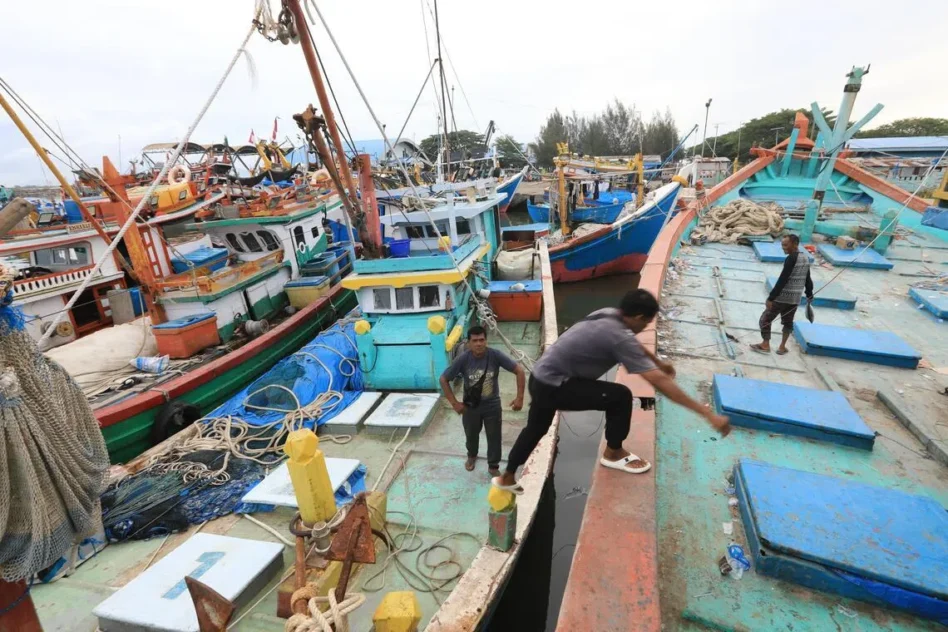
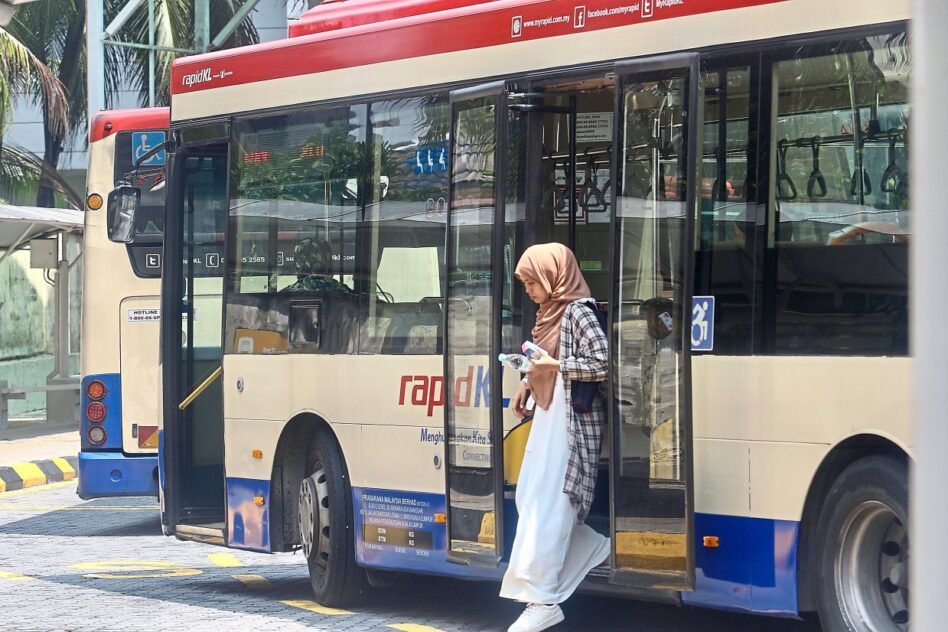
A more targeted approach offers a practical solution. Subsidies should be directed towards sectors that rely on diesel to provide essential services, including public transport operators, logistics companies, farmers and fishermen.
Such an approach helps ensure that assistance reaches those who contribute directly to economic productivity while reducing unnecessary fiscal burdens.
Malaysia already possesses mechanisms that can support targeted assistance. Strengthening and expanding these systems could improve efficiency while ensuring that support remains focused on legitimate users.
At the same time, policymakers should continue efforts to gradually reform broader fuel subsidies in a way that minimises disruption to households and businesses. Any transition must be carefully managed to avoid sudden increases in living costs, particularly for lower- and middle-income families.
Public transport should also form part of the discussion. Improving the reliability, accessibility and connectivity of public transport networks can reduce dependence on private vehicles and help make fuel subsidy reforms more sustainable over the long term.
Enforcement remains equally important. Any subsidy programme must be accompanied by effective monitoring and enforcement mechanisms to ensure that public funds are used for their intended purposes.
The broader lesson is that fuel policy should not be viewed solely through the lens of retail petrol prices. Diesel plays a central role in supporting economic activity and maintaining supply chains that deliver goods and services across the country.
As Malaysia continues refining its subsidy framework, policymakers should focus on protecting sectors that drive productivity while ensuring that public resources are used efficiently.
The objective should not be blanket subsidies or complete withdrawal of support, but a balanced approach that strengthens both economic resilience and fiscal sustainability.
Fuel subsidies will always generate public debate. However, if the goal is to protect the wider economy and manage living costs effectively, diesel deserves a far more prominent place in the national conversation. ‒ June 10, 2026
The author is affiliated with the Tan Sri Omar Centre for STI Policy Studies at UCSI University and is an Adjunct Professor at the Ungku Aziz Centre for Development Studies, Universiti Malaya.
The views expressed are solely of the author and do not necessarily reflect those of Focus Malaysia.
Main image: STR/ Ahmad Ukasyah