
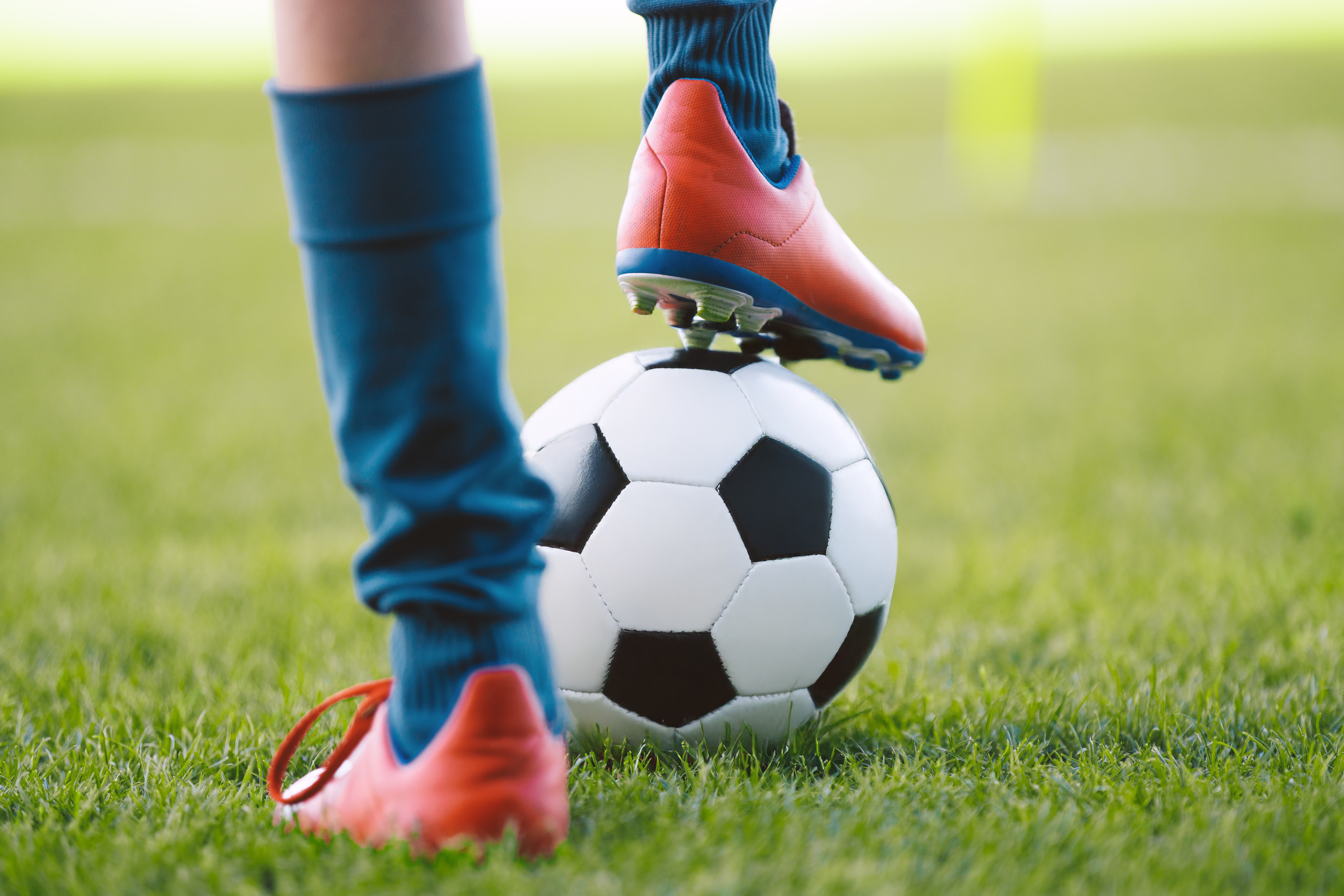
AS the 2026 FIFA World Cup captures the attention of football fans worldwide, many athletes and recreational players are returning to the pitch.
However, the demands of sprinting, sudden changes of direction and powerful kicking place considerable strain on the body, increasing the risk of injury.
While knee and ankle injuries often receive the most attention, the hamstring remains one of the most commonly injured muscle groups in sport. Recent attention on national footballer Arif Aiman’s hamstring injury highlights a problem that affects both elite athletes and weekend players alike.
According to Dr Aminudin Mohamed Shamsudin, Consultant Orthopaedic, Trauma and Sports Surgeon at Sunway Medical Centre Velocity (SMCV), hamstring injuries affect an estimated 10‒30% of athletes and account for almost 35% of all muscle injuries among professional sportsmen.
“The hamstrings play a crucial role in speed, stability and control. They act as the body’s brakes and accelerators during sport, helping to absorb force, control movement and generate power,” he said.
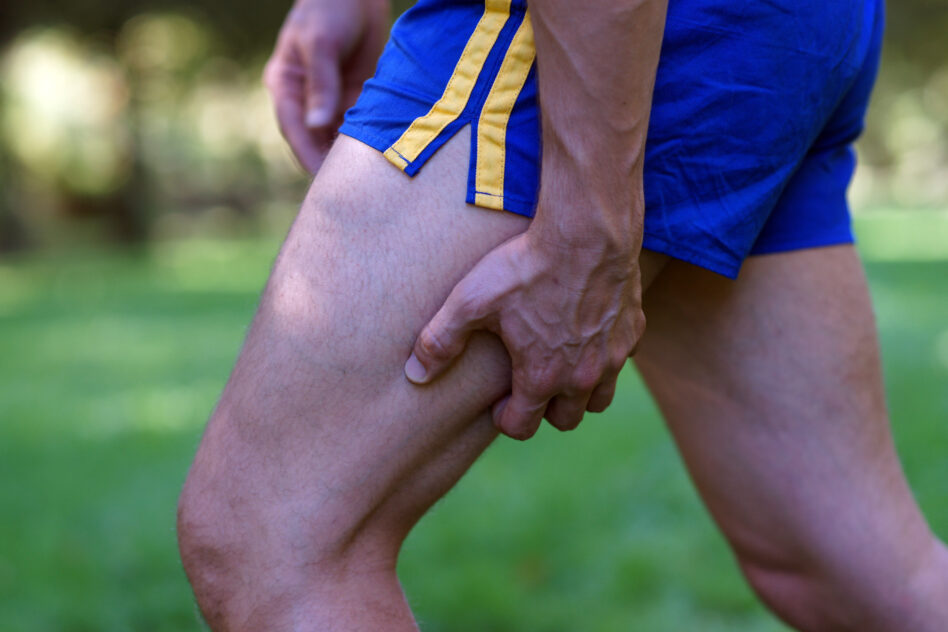
The hamstrings consist of three muscles located at the back of the thigh, extending from the hip to just below the knee. They are heavily involved in running, jumping and sudden changes of direction, making them particularly vulnerable during high-intensity activity.
When these muscles are subjected to excessive force, the fibres can stretch beyond their limits, resulting in a strain, partial tear or, in severe cases, complete detachment from the bone.
Hamstring injuries vary considerably in severity. Mild injuries may involve small tears in the muscle fibres, causing pain and discomfort but typically allowing a return to sport within four to six weeks.
Moderate injuries involve larger tears, often accompanied by bruising and more significant loss of function, with recovery taking several months.
The most severe injuries may involve complete tendon tears or avulsion injuries, where the tendon pulls away from the bone. These cases can cause significant pain, loss of function and prolonged absence from sport.
Because symptoms can appear similar in the early stages, Dr Aminudin cautioned against treating all hamstring injuries as simple muscle pulls.
“Some injuries improve with rest and physiotherapy, while others involve deeper structural damage that requires imaging, specialist assessment and a more comprehensive treatment plan,” he explained.
Surgery may be required when there is significant structural damage, particularly in cases involving complete tears, tendon retraction or avulsion injuries. The aim is not only to relieve pain but also to restore the muscle’s length, strength and function.
“In severe cases, surgery helps restore muscular length and biomechanical efficiency. For avulsion injuries, it may also be necessary to reattach the affected tendon or bone,” Dr Aminudin elaborated.
However, he stressed that surgery is only one stage of the recovery process.
“Surgery repairs the mechanical structure, but it does not automatically restore function. Recovery still requires careful rehabilitation, progressive strengthening and conditioning to ensure the tissue can cope with future sporting demands,” he added.
Whether surgery is required or not, rehabilitation remains essential. Recovery should focus not only on pain relief but also on restoring strength, flexibility, balance and movement control.
A structured rehabilitation programme typically includes improving range of motion, rebuilding hamstring and glute strength, enhancing core stability and gradually reintroducing sport-specific movements.
Dr Aminudin warned that athletes often make the mistake of returning to sport simply because the pain has subsided.
“Being pain-free does not necessarily mean the hamstring has fully recovered. Strength, flexibility and power may still be compromised, increasing the risk of reinjury if a player returns too soon,” he remarked.
This is particularly common among recreational athletes who may not train consistently but suddenly return to high-intensity matches.
The same caution applies to young athletes. Medical clearance should be based on proper assessment and rehabilitation progress rather than pressure from coaches, parents or competition schedules.
Ultimately, hamstring injuries should never be dismissed when symptoms are severe, persistent or recurring. What begins as a seemingly minor strain may involve a more serious tear or, in younger athletes, a growth plate injury requiring specialised treatment.
Timely diagnosis, appropriate imaging, specialist assessment and structured rehabilitation can significantly improve recovery outcomes and reduce the risk of future injury, allowing athletes at all levels to return to sport safely and confidently. ‒ June 15, 2026
Main image: Sunway Medical Centre Velocity