
MALAYSIA has long played an important humanitarian role in hosting refugees, particularly members of the Rohingya community fleeing persecution and hardship. This reflects both compassion and a willingness to shoulder regional responsibilities.
However, the growing complexity of displacement in Southeast Asia means that goodwill alone is no longer enough.
Malaysia needs a comprehensive legal, institutional and diplomatic framework for refugee management before accepting significant new refugee arrivals.
A temporary pause, or stricter limits on new refugee intake, should not be interpreted as a rejection of humanitarian responsibility.
Rather, it should be viewed as a governance measure designed to ensure that refugee protection remains orderly, sustainable and publicly supported.
At present, Malaysia faces several structural challenges. The country is not a signatory to the 1951 Refugee Convention, and refugees do not have a clearly defined legal status under domestic law.
As a result, government agencies, employers, civil society organisations and refugees themselves often operate within a legal grey area.
Many refugees are tolerated on humanitarian grounds, but remain vulnerable to exploitation, informal employment, limited access to services and uncertainty about their future.
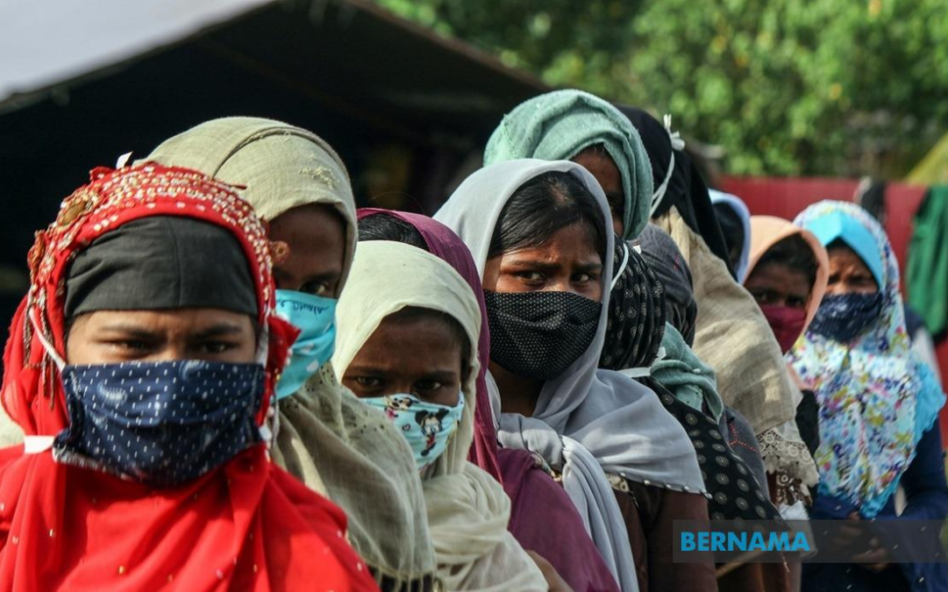
At the same time, authorities face difficulties distinguishing between refugees, asylum seekers, undocumented migrants and victims of human trafficking.
This situation benefits no one.
Malaysia should therefore prioritise the development of a clear national refugee policy. Such a framework should establish transparent procedures for registration, verification and documentation, while clearly defining the rights, responsibilities and limitations applicable to refugees and asylum seekers.
It should also address access to employment, coordination between federal and state agencies, security screening, employer obligations and mechanisms for monitoring and enforcement.
A comprehensive framework would strengthen both humanitarian protection and national security by providing greater clarity for all stakeholders.
Importantly, it would also help address growing public concerns.
Many Malaysians worry about issues such as job competition, pressure on public services, settlement permanence and the broader impact on local communities.
Whether these concerns are justified or not, they cannot simply be dismissed. Public confidence is essential for any refugee policy to succeed.
The best way to build that confidence is through transparency. The government must communicate clearly about refugee numbers, registration systems, enforcement mechanisms and the limits of refugee protection.
When people believe a situation is being managed effectively, public anxiety tends to diminish.
Recent initiatives to improve refugee documentation are steps in the right direction. However, documentation alone is not enough. Registration must be linked to broader policies covering employment, service access, security screening and long-term solutions.
Malaysia must also adopt a more proactive diplomatic approach.
For too long, refugee resettlement has depended heavily on international agencies and the willingness of third countries to accept refugees.
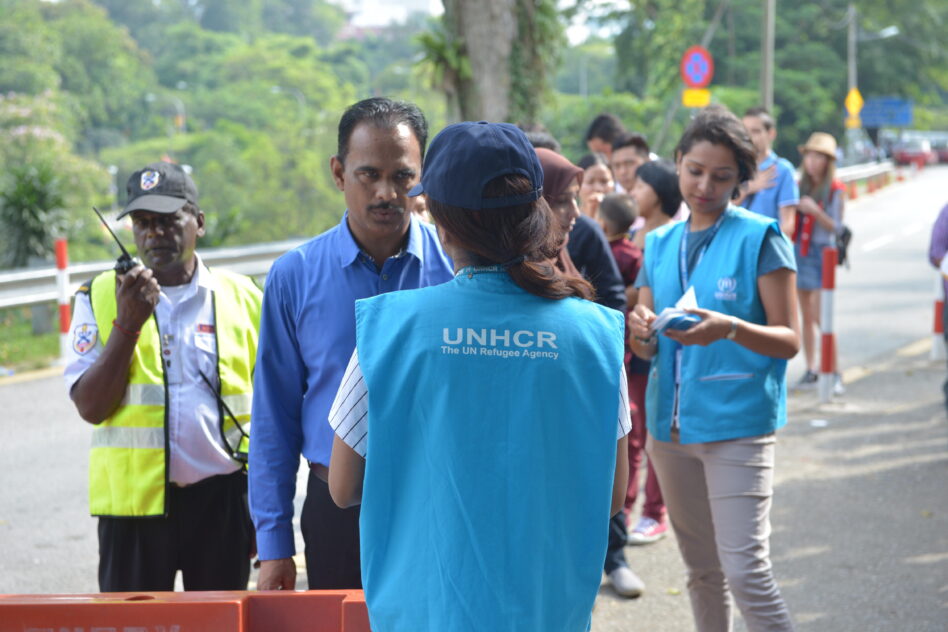
While organisations such as UNHCR remain important partners, Malaysia should engage more directly with developed nations to secure stronger responsibility-sharing commitments.
This includes advocating for predictable annual resettlement quotas, faster processing of vulnerable cases, expanded education and skills pathways, and greater financial support for refugee-hosting countries.
The current arrangement places a disproportionate burden on countries of first asylum while wealthier nations often accept relatively small numbers of refugees. A more equitable distribution of responsibility is needed if refugee protection is to remain sustainable.
A temporary pause on new refugee intake would provide Malaysia with the space needed to strengthen registration systems, review existing numbers, improve inter-agency coordination and develop a more coherent long-term strategy.
It would also allow the government to negotiate from a stronger position with international partners and demonstrate to Malaysians that refugee management is being handled in a structured and accountable manner.
The key principle should be balance.
Malaysia should continue to uphold humanitarian values and avoid policies that place vulnerable people at risk.
At the same time, the government has a legitimate responsibility to safeguard social cohesion, labour-market integrity, public confidence and national security.
These objectives are not mutually exclusive. In fact, they reinforce one another.
Ultimately, Malaysia’s goal should not be simply to accept or reject refugees. It should be to manage refugee protection through clear laws, effective institutions, sound diplomacy and regional cooperation.
A stronger national framework would allow Malaysia to protect refugees more effectively while also safeguarding national interests. That is the most practical path towards a refugee management system that is humane, orderly and sustainable. ‒ June 18, 2026
Associate Professor Dr. Mashitah Hamidi is the Head of the Malaysian Population and Migration Research Centre at Universiti Malaya.
The views expressed are solely of the author and do not necessarily reflect those of Focus Malaysia.
Main image: Pexels/Ahmed Akacha