
POLITICS today often feels more like marketing than public service.
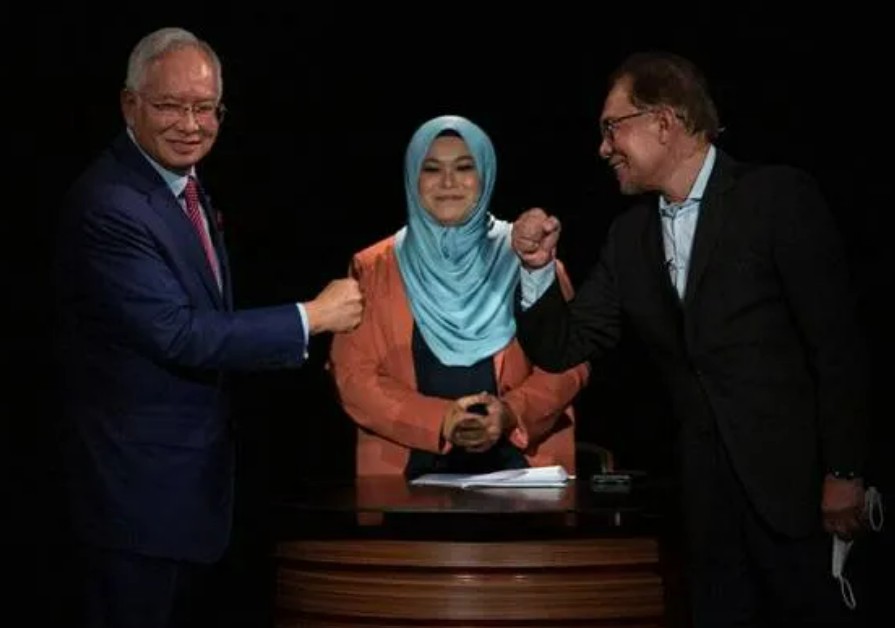
Political parties invest heavily in branding, slogans and social media campaigns. Leaders cultivate carefully crafted public images. Supporters rally behind colours, symbols and personalities.
In many cases, political identity becomes as much about belonging to a camp as it is about evaluating policies and performance.
This trend is not unique to Malaysia, but it is becoming increasingly visible here.
Social media has transformed political engagement. While it has made information more accessible, it has also encouraged a culture of instant reactions.
Short video clips often receive more attention than detailed policy discussions. Outrage spreads faster than nuance, and political debates frequently generate more heat than light.
The result is that many voters end up responding to narratives and perceptions rather than examining what political leaders are actually proposing.
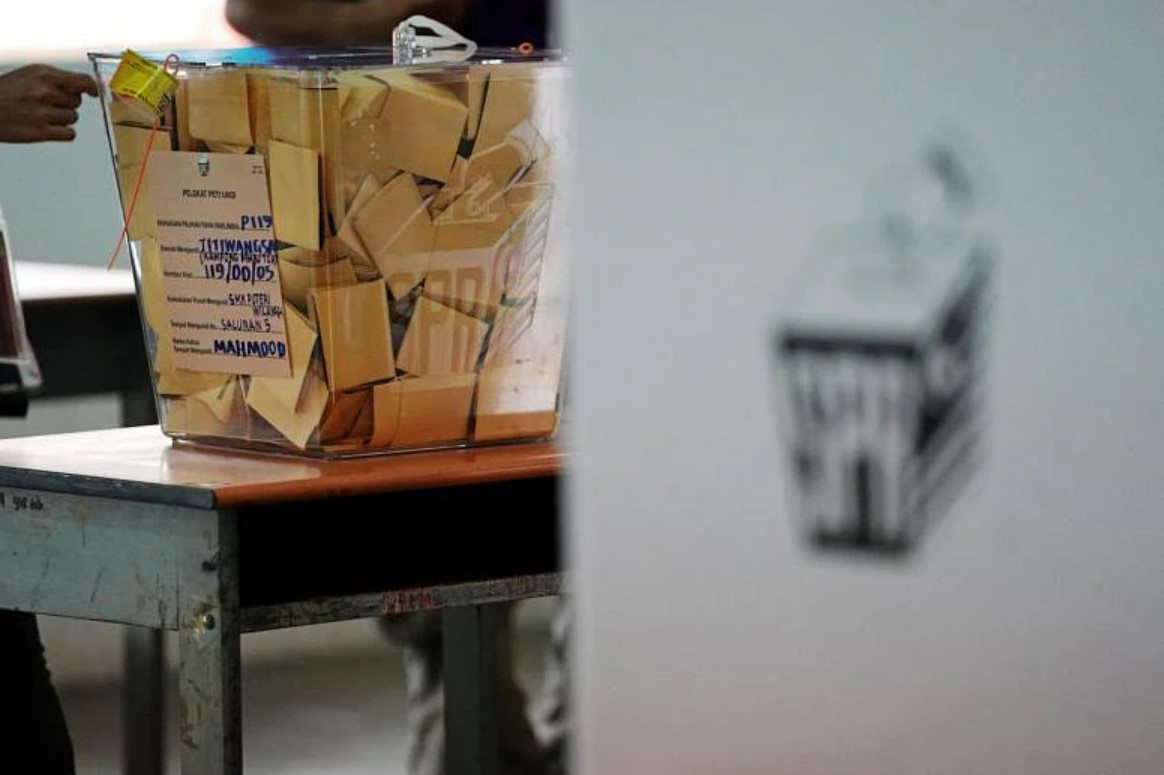
Democracy works best when citizens make informed decisions. Elections should not simply be contests between competing personalities or political brands. They should be opportunities for voters to assess ideas, policies and track records.
This requires greater transparency and accountability from political leaders.
Manifestos, for example, should contain clear commitments that can be measured and evaluated.
Voters should be able to determine not only what was promised, but also whether those promises were delivered. Public discussion should focus more on outcomes and less on political theatre.
Greater public access to policy debates would also help improve political literacy. Malaysians deserve opportunities to hear leaders explain and defend their proposals in detail rather than relying solely on campaign slogans and carefully curated social media content.
Education has an equally important role to play.
Students should leave school with a basic understanding of how government functions, how laws are made and how public policies affect their daily lives. Civic education should equip young Malaysians with the skills to evaluate information critically and participate meaningfully in democratic processes.
The media also has a responsibility to prioritise policy analysis, fact-checking and informed debate. At a time when misinformation can spread rapidly online, access to reliable information is more important than ever.
Ultimately, however, the responsibility rests with citizens themselves.
Healthy democracies depend on voters who are willing to question assumptions, examine evidence and hold leaders accountable regardless of political affiliation. Loyalty to a party should never outweigh loyalty to good governance.
This does not mean abandoning political beliefs or ideological convictions. It means recognising that no party, coalition or leader should be exempt from scrutiny.
Malaysia faces complex challenges that require thoughtful policymaking and effective leadership. These challenges cannot be addressed through branding alone.
The future of the country will be shaped not by which political party has the most effective marketing campaign, but by whether citizens demand competence, accountability and results from those seeking public office.
A strong democracy requires more than enthusiastic supporters. It requires informed citizens who are prepared to look beyond slogans, ask difficult questions and judge leaders by their performance rather than their branding. ‒ July 7, 2026
KT Maran is a Focus Malaysia viewer.
The views expressed are solely of the author and do not necessarily reflect those of Focus Malaysia.
Main image: Straits Times