FINANCE Minister II Datuk Seri Amir Hamzah Azizan recently defended the government’s decision not to extend diesel subsidies to tourism vehicles, saying priority should be given to Malaysian citizens rather than foreign tourists.
He also said support for tourism would continue through investments in infrastructure such as airports and flight connectivity.
While few would disagree with the need to improve tourism infrastructure, the reasoning behind excluding tourism vehicles from diesel subsidies deserves closer scrutiny.
The argument appears to be that subsidising tour buses and vans would mainly benefit foreign visitors. However, that view does not reflect how the tourism industry actually operates.
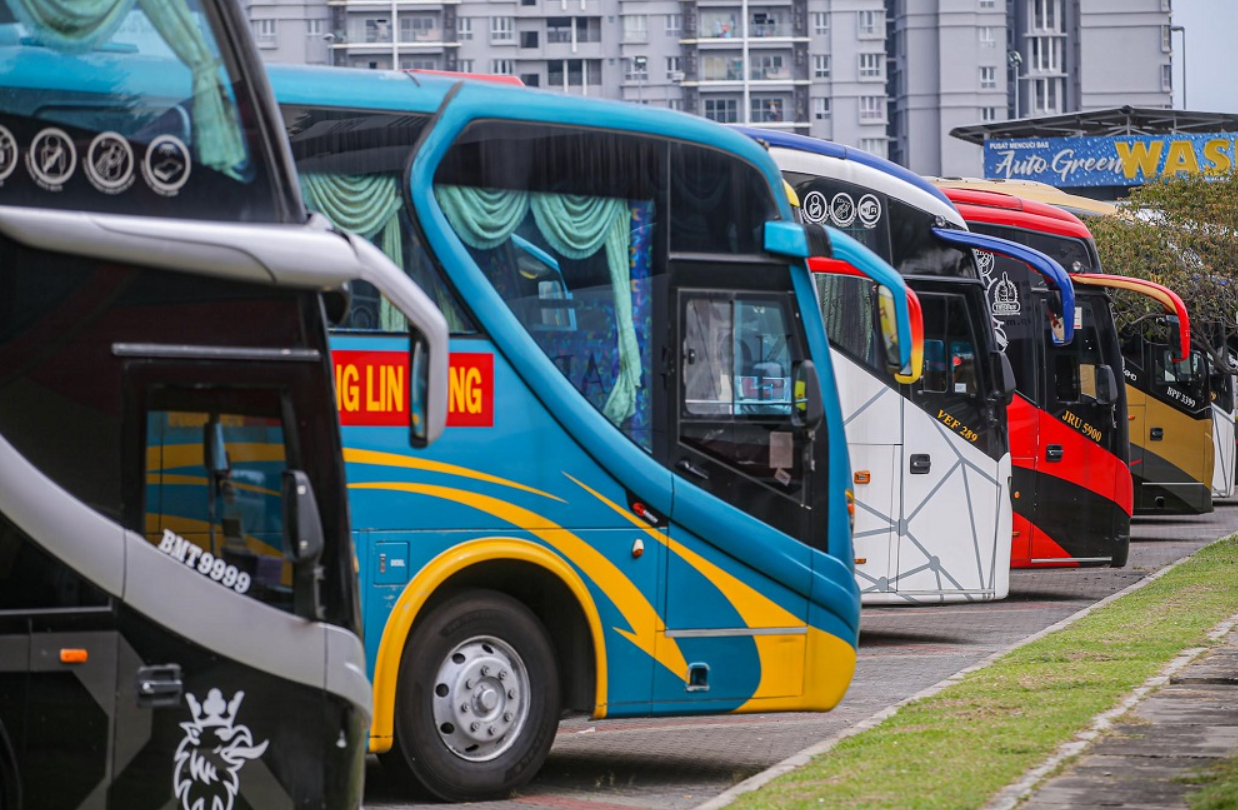
Tourism vehicles do not serve foreign visitors alone. The same tour buses and vans are used by Malaysians travelling within the country for holidays, educational trips, family outings and company events. Operators do not maintain separate fleets for locals and foreigners.
More importantly, diesel is purchased by vehicle operators, not by passengers. Whether the passengers are Malaysians or foreign tourists makes little difference when the driver pulls up at a fuel station.
The issue therefore should not be whether foreign visitors indirectly benefit from diesel subsidies. The more important question is whether extending the subsidy would generate a net gain for the country.
Government subsidies exist in many sectors because policymakers recognise that lowering costs can produce wider economic benefits.
Fuel subsidies enjoyed by Malaysians also indirectly benefit visitors because they contribute to a lower-cost operating environment. Yet few would argue that such subsidies should be withdrawn simply because foreigners also benefit.
The tourism industry should be viewed in a similar way.
Lower operating costs for tourism transport providers can help make Malaysia a more competitive destination. This is particularly important at a time when neighbouring countries are actively promoting their tourism sectors and competing for the same pool of travellers.
The benefits are not limited to international tourism. More affordable transport can also encourage domestic travel, helping Malaysians explore destinations within the country rather than seeking cheaper alternatives abroad.
Every additional visitor generates spending on accommodation, food, attractions, shopping and transport. This creates income for businesses, supports employment and generates tax revenue. The economic impact extends well beyond the tourism operator receiving the subsidy.
Of course, extending diesel subsidies to tourism vehicles would involve additional government expenditure. The question is whether the economic returns outweigh the cost.
If the answer is yes, then excluding tour buses and vans from the subsidy scheme may prove to be a case of saving a little while forgoing much larger gains elsewhere.
Public policy should not focus solely on who receives a subsidy directly. It should also consider the broader economic benefits that flow from that support.
Tourism has long been recognised as an important contributor to Malaysia’s economy. Decisions affecting the industry should therefore be based on a careful assessment of costs and benefits rather than on the assumption that any support extended to tourism operators primarily benefits foreign visitors.
In the end, subsidies should be provided wherever there is a clear net gain for the country.
If supporting tourism vehicles leads to higher visitor spending, stronger domestic tourism, more jobs and greater economic activity, then the case for including them deserves serious consideration. ‒ July 7, 2026
YS Chan is a tourism, transport and training consultant.
The views expressed are solely of the author and do not necessarily reflect those of Focus Malaysia.
Main image: Malay Mail