MALAYSIA’S ambition to develop rockets within the next two years has generated excitement. It signals an aspiration to strengthen the country’s defence capabilities while advancing its position in high-technology industries.
Yet the real question is not whether Malaysia can build rockets. It is whether the country is prepared to build the ecosystem that makes such ambitions sustainable.
Rocket development is among the most technologically demanding fields in modern engineering. It draws upon advanced manufacturing, materials science, artificial intelligence, electronics, software engineering and cybersecurity.
Countries with established aerospace industries did not acquire these capabilities overnight. They invested consistently in universities, research institutions, skilled engineers and long-term industrial policies over many decades.
If Malaysia views rocket development merely as another defence procurement project, it risks missing the larger opportunity.
A credible domestic defence industry is about far more than assembling imported components. Genuine technological sovereignty comes from designing, developing and improving systems locally while building the expertise to innovate independently.
Malaysia therefore needs a clear roadmap showing how today’s manufacturing capabilities can gradually evolve into indigenous research, design and development.
Such a transformation will require sustained investment.
Developing advanced aerospace capabilities cannot be achieved within a single political cycle. It demands long-term policy consistency, stable funding and bipartisan commitment that extends beyond changes in government.
Equally important is accountability.
Large-scale national projects inevitably involve substantial public expenditure. While certain aspects of defence procurement must remain confidential, this should not preclude proper financial oversight, independent audits and transparent governance.
Public confidence depends not only on successful outcomes but also on responsible stewardship of public funds.
The programme should also be evaluated against its broader economic impact.
Malaysia continues to face pressing challenges in healthcare, education and climate resilience. Defence spending should therefore generate wider national benefits rather than exist in isolation.
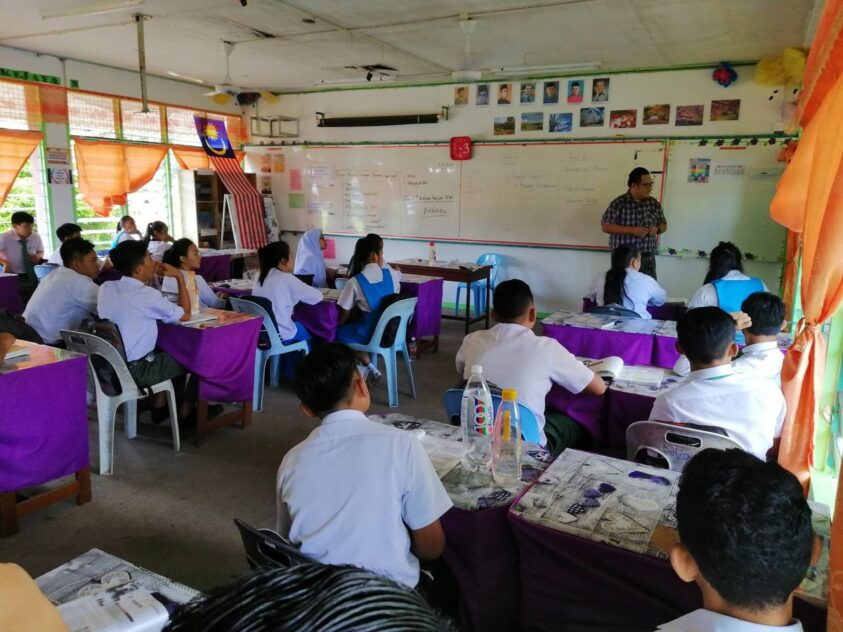
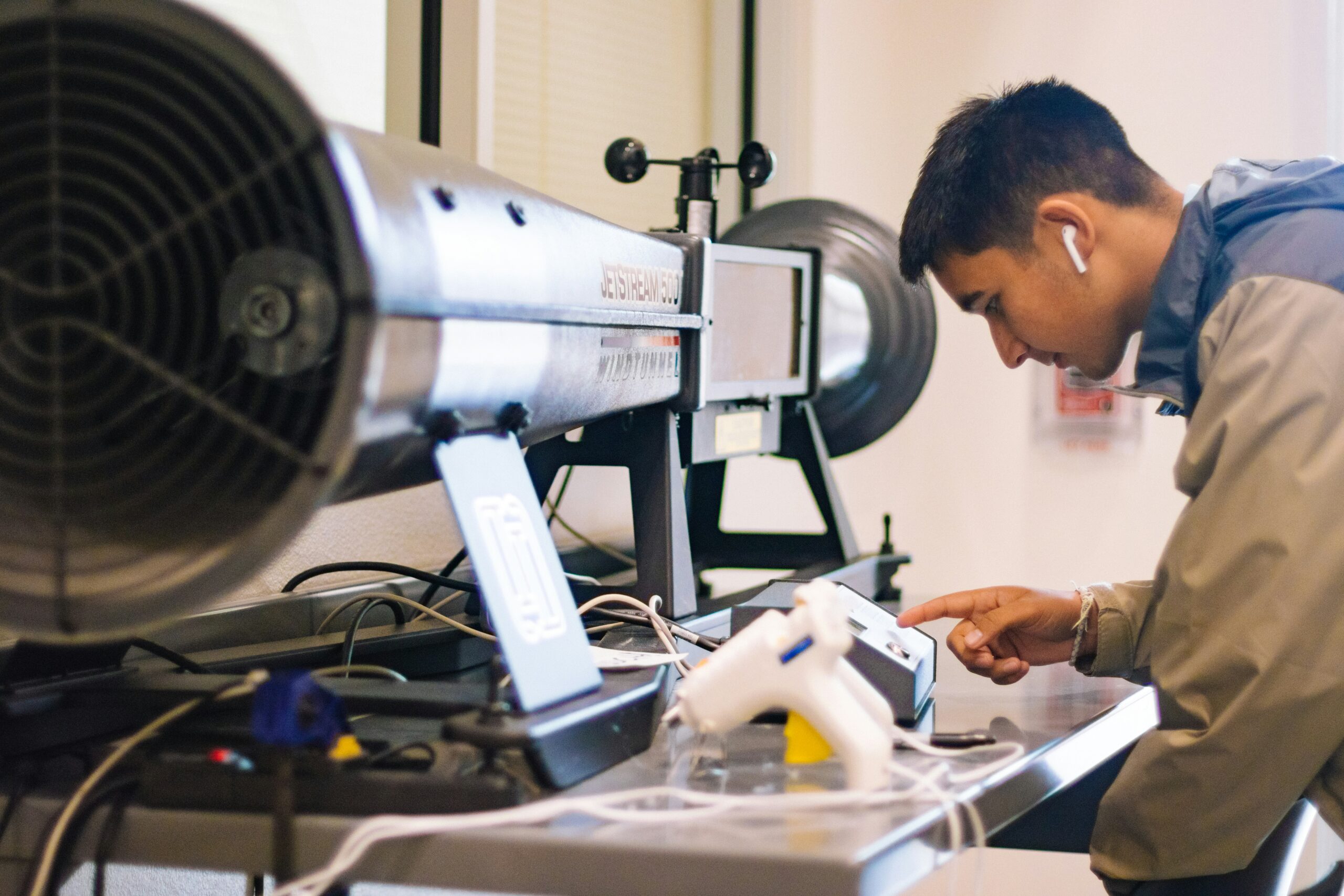
Investment in aerospace technology should strengthen universities, expand STEM education, create opportunities for local engineers and support research that benefits civilian industries.
Advances in satellite technology, advanced manufacturing, robotics and digital engineering can all emerge from a well-designed aerospace ecosystem.
The greatest success of a national rocket programme will not be measured solely by the number of rockets launched. It will be measured by the industries created, the innovations commercialised and the skilled workforce developed along the way.
Many of today’s leading aerospace nations first invested in people before they became leaders in technology.
Their competitive advantage lies not simply in sophisticated equipment, but in the strength of their research institutions, engineering capabilities and innovation ecosystems.
Malaysia should pursue the same path.
A rocket is ultimately a product of human knowledge and ingenuity. The country’s greatest investment should therefore remain its people.
If this initiative succeeds in producing a new generation of scientists, engineers, researchers and innovators, its impact will extend far beyond national defence.
It will strengthen Malaysia’s technological capabilities, enhance economic competitiveness and help position the country for sustained growth in the decades ahead. ‒ July 9, 2026
KT Maran is a Focus Malaysia viewer.
The views expressed are solely of the author and do not necessarily reflect those of Focus Malaysia.
Main image: Unsplash/Jeswin Thomas