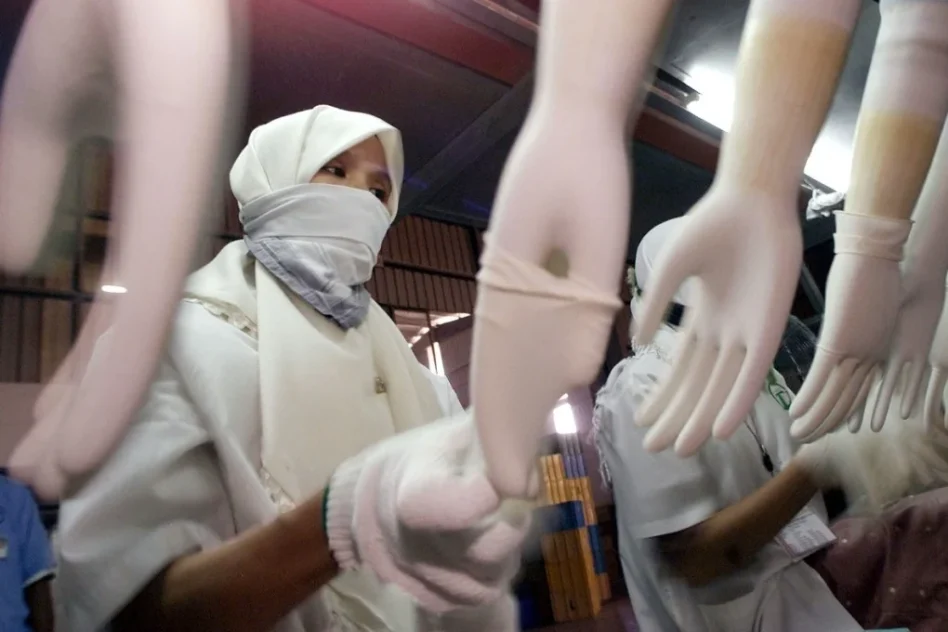

COMPARED with the supply disruption seen in March, the Group said customers are no longer rushing to stock up on gloves.
Instead, most buyers are maintaining inventories equivalent to two to five months of demand, allowing them to adopt a wait-and-see approach before committing to new purchases.
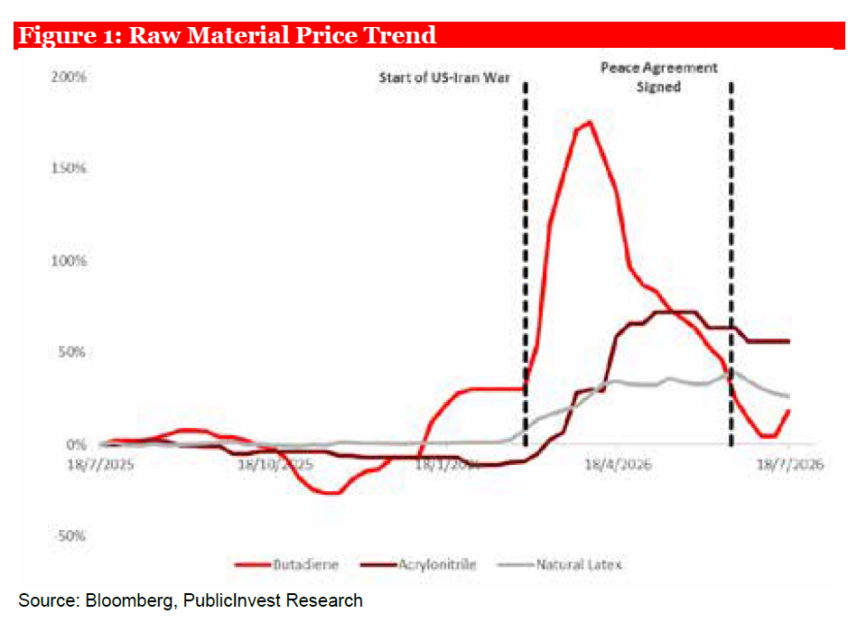
Although the recent rise in crude oil prices has created fresh uncertainty over raw material costs, suppliers have broadened their sourcing networks beyond the Middle East.
This diversification is expected to help ensure that raw material supply remains relatively stable.
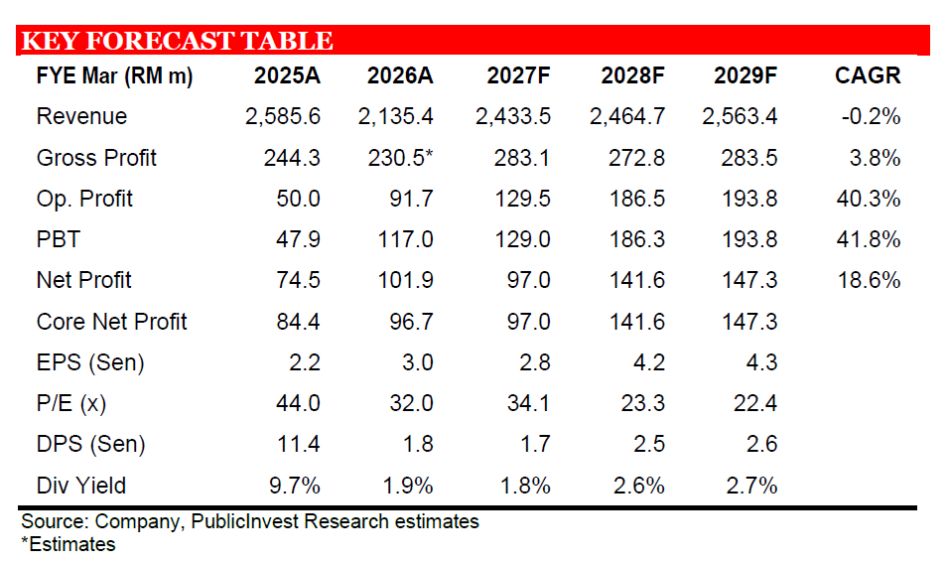
Given these factors, Public Investment Bank (PIB) believes there is limited scope for significant margin expansion from higher average selling prices (ASPs) or favourable raw material cost differentials compared with previous periods.
Management also pointed to the scheduled natural gas tariff revision in October 2026, which is expected to raise production costs by about USD1.25 per 1,000 pieces.
Discussions are ongoing with customers regarding the possibility of passing on part of the additional cost.
Glove ASPs have retreated substantially from their earlier highs of approximately USD27-28 per 1,000 pieces to around USD17-18 per 1,000 pieces.
The decline has been largely attributed to aggressive pricing strategies adopted by Chinese glove manufacturers.
PIB noted that buyers continue to prioritise price over other considerations, with some opting for lower-cost suppliers despite differences in product quality and environmental, social and governance (ESG) standards as inflationary pressures continue to influence purchasing decisions.
Hartalega operated at roughly 85% capacity during June and July, as some customers postponed orders in anticipation of further declines in glove prices.
At the same time, the company has started progressively restarting Plant 3, with full operations now expected to be achieved by December 2026.
Management indicated that technologies deployed in Plant 9 have delivered around 10% cost savings through improvements in energy efficiency, labour productivity and throughput.
“We view the gradual rollout of these upgrades across existing plants as a key longer-term margin enhancement driver,” said PIB.
The current US tariff arrangement remains unchanged, with Malaysian glove exports continuing to face the existing 10% tariff under Section 301 of the Trade Act of 1974.
PIB regards the stable tariff environment as supportive for Malaysian glove producers.
Since implementation of the tariff, management said Hartalega has gained market share in the US market, with the region now accounting for ~65% of sales compared with ~60% previously.
Separately, the Group does not expect “Made in USA” initiatives to materially disrupt the industry, citing significantly higher domestic production costs and reliance on government procurement.
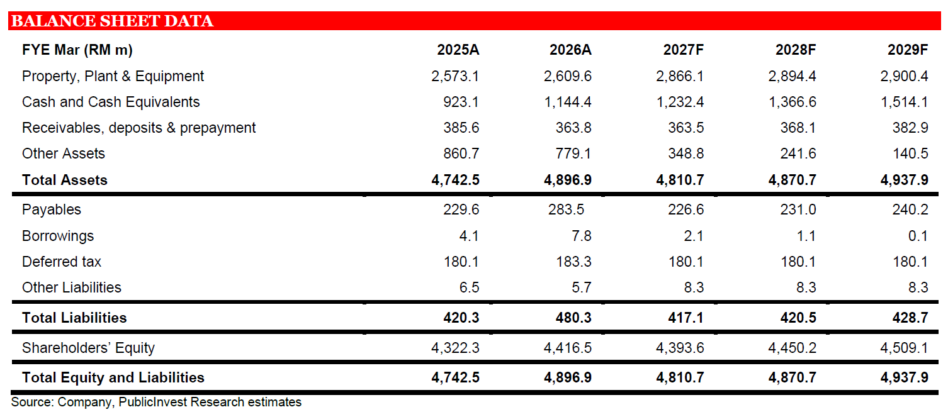
With a strong net cash position of RM1.1 bil, Hartalega evaluates M&A opportunities within adjacent healthcare segments, including medical consumables and distribution.
“We see this as a longer-term growth avenue, although unlikely to contribute meaningfully to near-term earnings,” said PIB.—July 28, 2026
Main image: tionghuatrubber.com