

I REFER to The Star article, “Deep behind enemy lines” (July 24), which highlighted the sacrifices of Malaysian soldiers and security personnel who fought the communist insurgency.
Many paid the ultimate price defending our nation. They fought because they believed future generations deserved to live in a peaceful, secure and prosperous Malaysia.
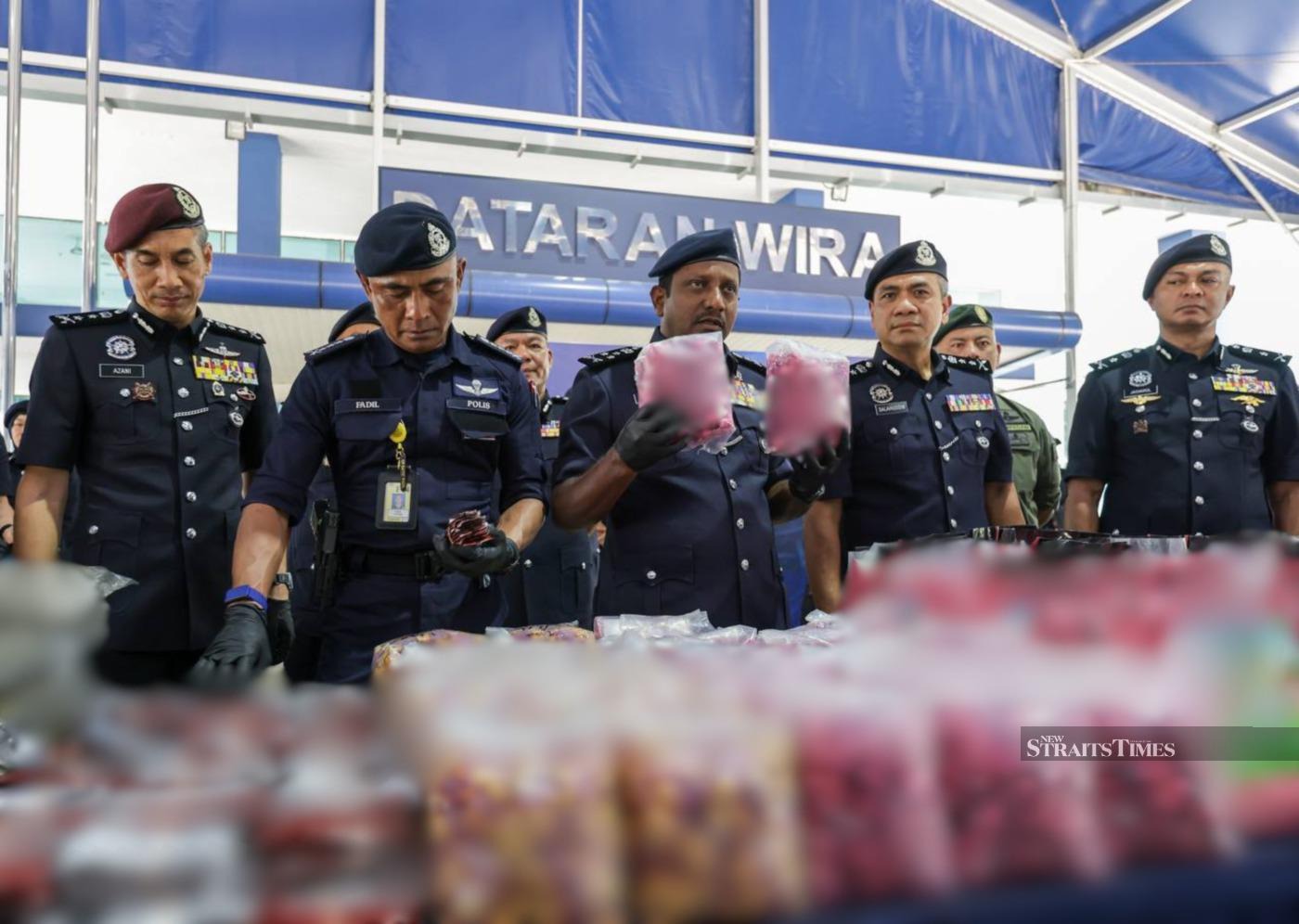
Today, Malaysia faces a different kind of threat, as highlighted in The Star article “We need to address this crisis among our young people” (July 25). It does not come through jungle warfare or armed insurgents.
It comes quietly through drug syndicates, trafficking networks and addiction, destroying families and robbing young Malaysians of their future.
The question we must ask is simple: if Malaysia could summon the courage, discipline and national resolve to confront a communist insurgency, why can we not summon that same resolve to defeat the drug menace?
The scale of the challenge remains deeply troubling. According to the National Anti-Drugs Agency (AADK), 191,832 individuals were recorded as involved in drug abuse and undergoing treatment and rehabilitation in 2025, only a marginal 0.5% decline from 192,857 in 2024.
Among them were 1,213 teenagers aged 13 to 18 and 112,632 young adults aged 19 to 39. These figures should alarm every parent, educator and policymaker.
The threat is also evolving. AADK reported in April that synthetic drugs accounted for about 70% of addiction cases nationwide. As traffickers adapt and exploit new substances, Malaysia cannot afford to stand still.
The government should therefore treat the fight against drugs as a sustained national mission, not merely another slogan.
First, priority must be given to dismantling the entire drug supply chain. The real targets are the syndicates, financiers, manufacturers, importers and distributors who profit from addiction.
Law enforcement agencies must work seamlessly, share intelligence and follow the money. Criminal assets should be traced, seized and forfeited wherever the law allows.
Second, Malaysia’s borders must be strengthened. Between 2024 and March 2026, AADK recorded 1,084 positive drug cases from 3,625 screenings of Malaysians returning through border entry points.
The figures underline the need for stronger intelligence, better technology and closer cooperation among enforcement agencies at the nation’s gateways.
Third, prevention must begin long before a young person encounters drugs. Schools, parents, religious institutions, community organisations and social media platforms all have a role in building resilience.
Drug education should be realistic, continuous and age-appropriate, equipping young people to recognise manipulation, resist peer pressure and seek help when needed.
Fourth, addiction must be addressed as both a criminal justice and public health issue. While traffickers deserve the full force of the law, those struggling with dependence should have access to evidence-based treatment and meaningful rehabilitation.
AADK already provides psychological support, vocational training and community reintegration programmes. These initiatives should be strengthened, independently evaluated and expanded where they prove effective.
The government should also publish clear national targets, including reducing new drug users, cutting youth addiction, improving recovery rates, lowering recidivism and dismantling major trafficking networks. Parliament and the public deserve to measure progress against these goals every year.
We must also ask whether sufficient resources are being devoted to this fight. If Malaysia can mobilise enormous resources in response to other national challenges, surely it can invest adequately in preventing children and young people from becoming victims of addiction.
The sacrifices of our soldiers remind us that safeguarding the nation demands perseverance. Their struggle was not simply about defeating an enemy. It was about protecting Malaysia’s future.
That same spirit must guide us today.
We honour those who defended this country not only by remembering their sacrifices, but by ensuring the next generation grows up free from the grip of drugs, families are protected from addiction and criminal syndicates can no longer treat our communities as profitable markets.
The war against drugs will not be won through rhetoric alone. It demands political courage, effective enforcement, prevention, treatment, rehabilitation and the collective resolve of the entire nation.
Our soldiers fought for Malaysia’s future. Now let us fight with equal determination to protect it. ‒ July 29, 2026
KT Maran is a Focus Malaysia viewer.
The views expressed are solely of the author and do not necessarily reflect those of Focus Malaysia.
Main image: NSTP