

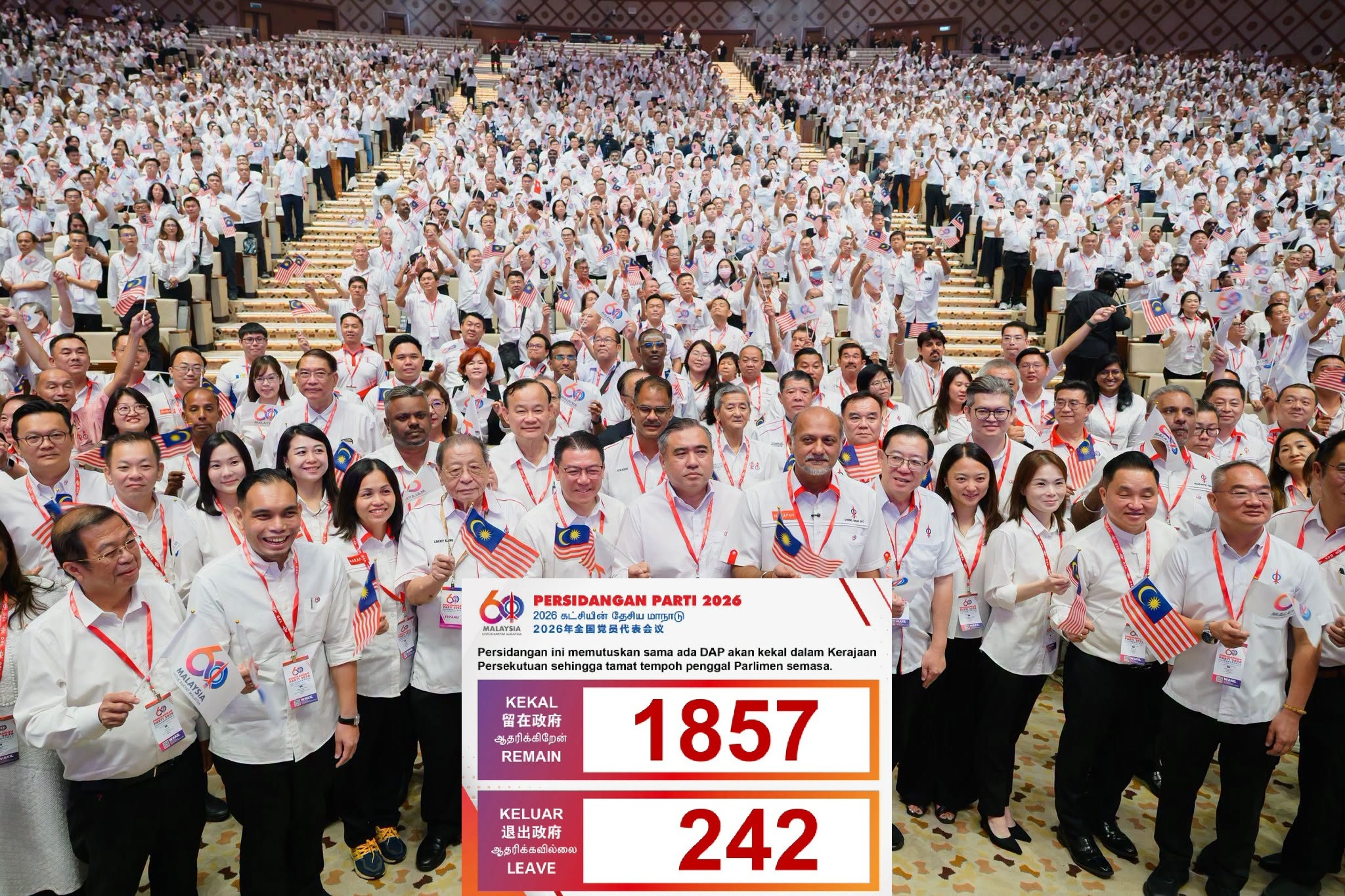
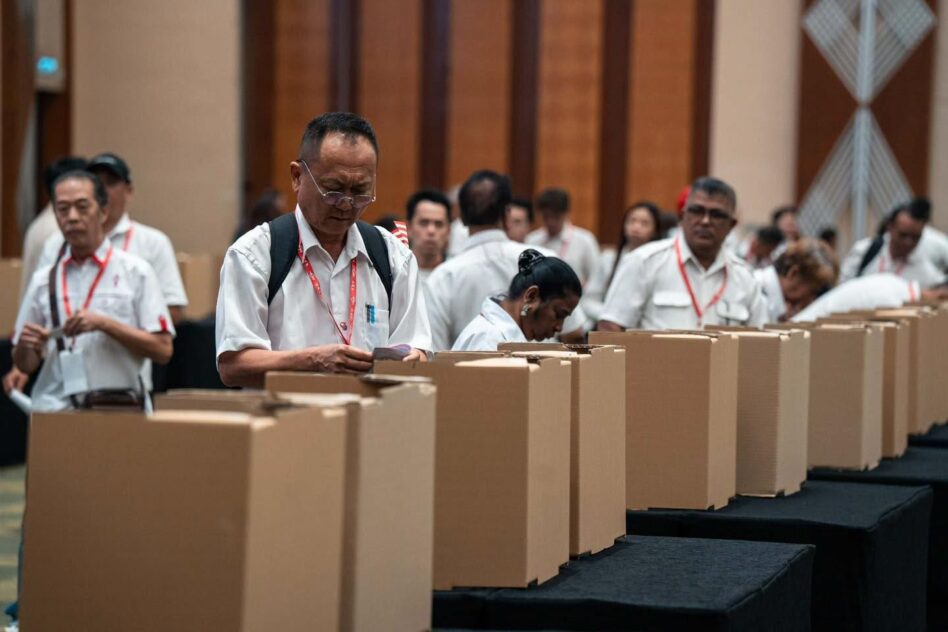
THE DAP National Congress was over yesterday (Aug 16). As expected, a majority of the delegates – 1,857 or 88.2% – voted the motion for the party to stay put in the Pakatan Harapan (PH)-led coalition government.
A total of 2,223 delegates attended the congress, out of which 242 delegates voted against the motion. There were seven spoilt ballot papers.
Out of the 2,223 who attended, around 52.3% were grassroots members.
The Aug 16 DAP National Congress was no ordinary congress. It was the congress that was supposed to determine the political direction of the party in the wake of its poor electoral performances in Sabah, Johor and Negeri Sembilan.
The way the congress was dramatised in the days leading up to it was a kind of do-or-die moment for DAP.
While the outcome of the decision of the delegates was somewhat anticipated, the nature of the attendance was not.
Given the critical political juncture of the party, it was expected that at least 80% to 90% of the delegates would attend.
Unfortunately, out of a total of 4,620 delegates, only 2,221 or 48% attended. In other words, attendance was poor – less than 50%.
Dismal attendance warrants post-mortem
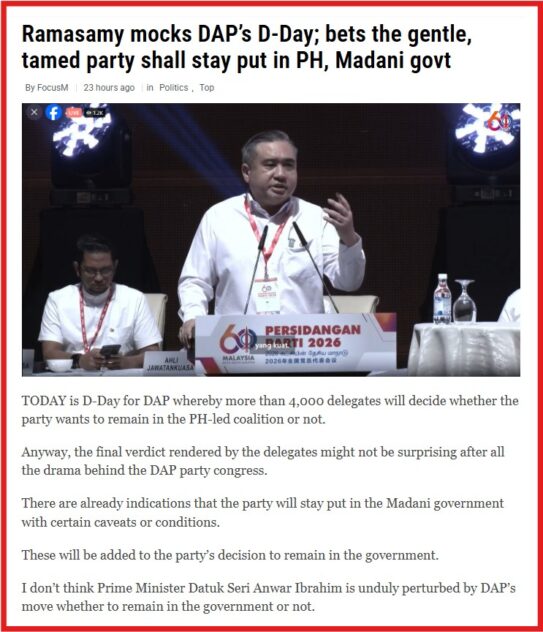
DAP secretary-general Anthony Loke Siew Fook justified the low attendance as something to be expected at the party’s national conferences.
He said it was not unusual for attendance to be around 70% during DAP national conferences.
Hello, the Aug 16 congress was not just an ordinary national conference but one that was supposed to determine the political direction of the party.
By the way, the attendance at the Aug 16 event was less than 50%, not the average attendance of 70% to 80%. Maybe Loke should explain this abysmally low delegate turnout.
Am I right in saying that if there had been an attendance of 90%, there was a possibility that the motion to stay in the government might have been defeated?
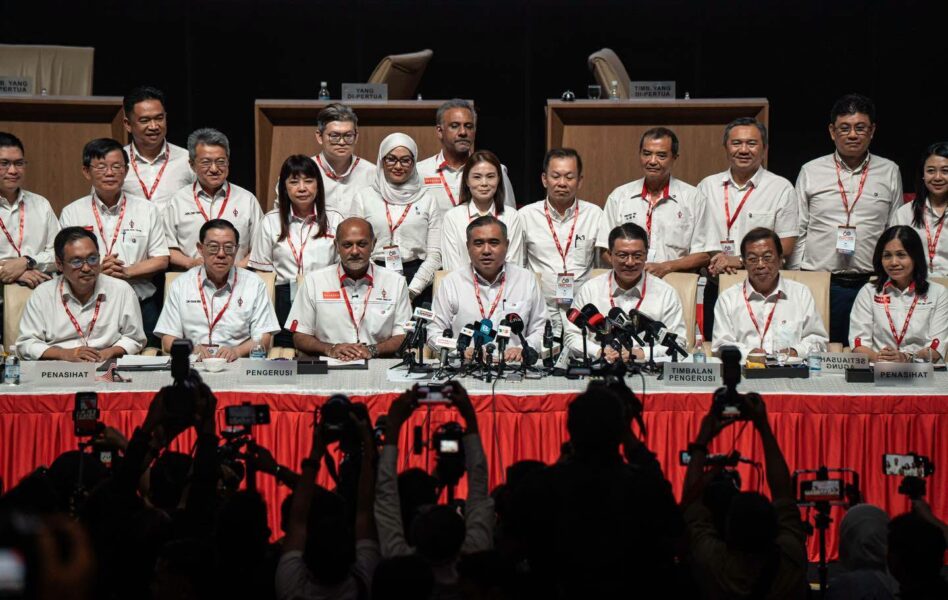
Why did more than 50% of the delegates – very high number – not attend the conference?
Rather than looking at the number of those who attended and those who supported the motion, DAP should re-examine why more than 50% of the delegates did not attend.
If a high percentage of those who were absent had attended, there was a possibility that the motion could have been defeated.
Above all else, the very fact that more there were 50% absentees at the congress might indicate that all is not well with DAP. It could also be an indication of non-support for the motion to remain in the government.
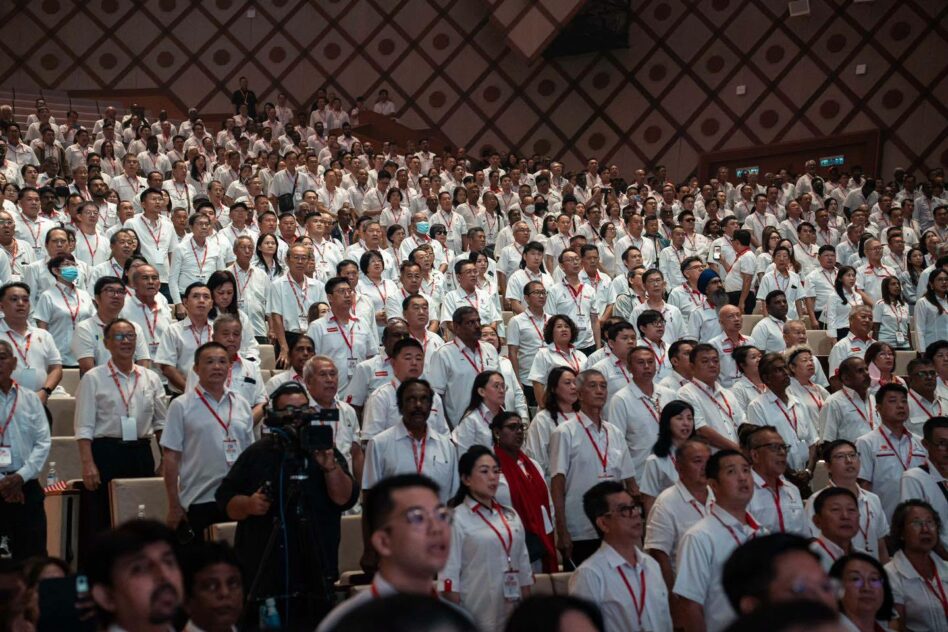
Silent protest?
I think rather than rejoicing over the pyrrhic victory, DAP leaders should examine the reasons behind the low attendance.
It was an indication that more than 50% of DAP delegates wanted the party out of the government.
In this regard, the victory of the motion to stay in the government is no reflection of the political sentiments of the majority of DAP members.
Given this, I think DAP should re-think the victory for the motion as something not reflective of the sentiments of the majority of DAP members.
I think it is the poor leadership of Loke that has brought DAP to its knees in dealing with the rights of non-Malays in the country.
One delegate (Federal Territory’s Sangeet Kaur Deo) even raised the question of Prime Minister Datuk Seri Anwar Ibrahim’s less-than-sincere approach to DAP.
Yet the same person found no reason to take DAP leadership to task for having brought the struggle for the rights of non-Malays to rock bottom.
The abysmally low delegate turnout at the recent DAP National Congress is no indication that the party’s leadership has resolved the problem of its subservience to the requirements of Malay hegemony.
The problem of DAP’s subservience has merely been prolonged.
Wouldn’t it be wise for the entire DAP to resign en masse to provide a quest for an alternative political formula?
For DAP to support the motion of staying put in the government might be a Hobson’s choice but in an age of alternatives and political choices, there are other ways that the party could strengthen itself if it prepared to extricate itself structurally and ideologically from mainstream politics. – Aug 17, 2026
Former DAP stalwart and Penang deputy chief minister II Prof Ramasamy Palanisamy is chairman of the United Rights of Malaysian Party (Urimai) interim council.
The views expressed are solely of the author and do not necessarily reflect those of Focus Malaysia.