
SUSTAINABILITY is no longer just about protecting the environment. For Malaysian SMEs, it is increasingly becoming a business advantage.
Consumers, investors and regulators are placing greater emphasis on environmentally responsible business practices. For small and medium-sized enterprises (SMEs), adopting sustainability is no longer simply about “doing the right thing”.
It can strengthen brand reputation, improve efficiency, build customer loyalty and support long-term profitability.
SMEs account for the overwhelming majority of businesses in Malaysia, making their collective environmental footprint significant. Their size and flexibility also give them an advantage: they can often adopt practical sustainability measures more quickly than larger corporations.
The good news is that sustainability does not have to begin with expensive investments.
Across Malaysia, businesses are already showing what is possible. The Green Factory produces eco-friendly wood products while incorporating sustainable materials, green building design and responsible waste management.
The Picha Project combines social enterprise with environmental responsibility by partnering with refugees as catering providers while using biodegradable packaging.

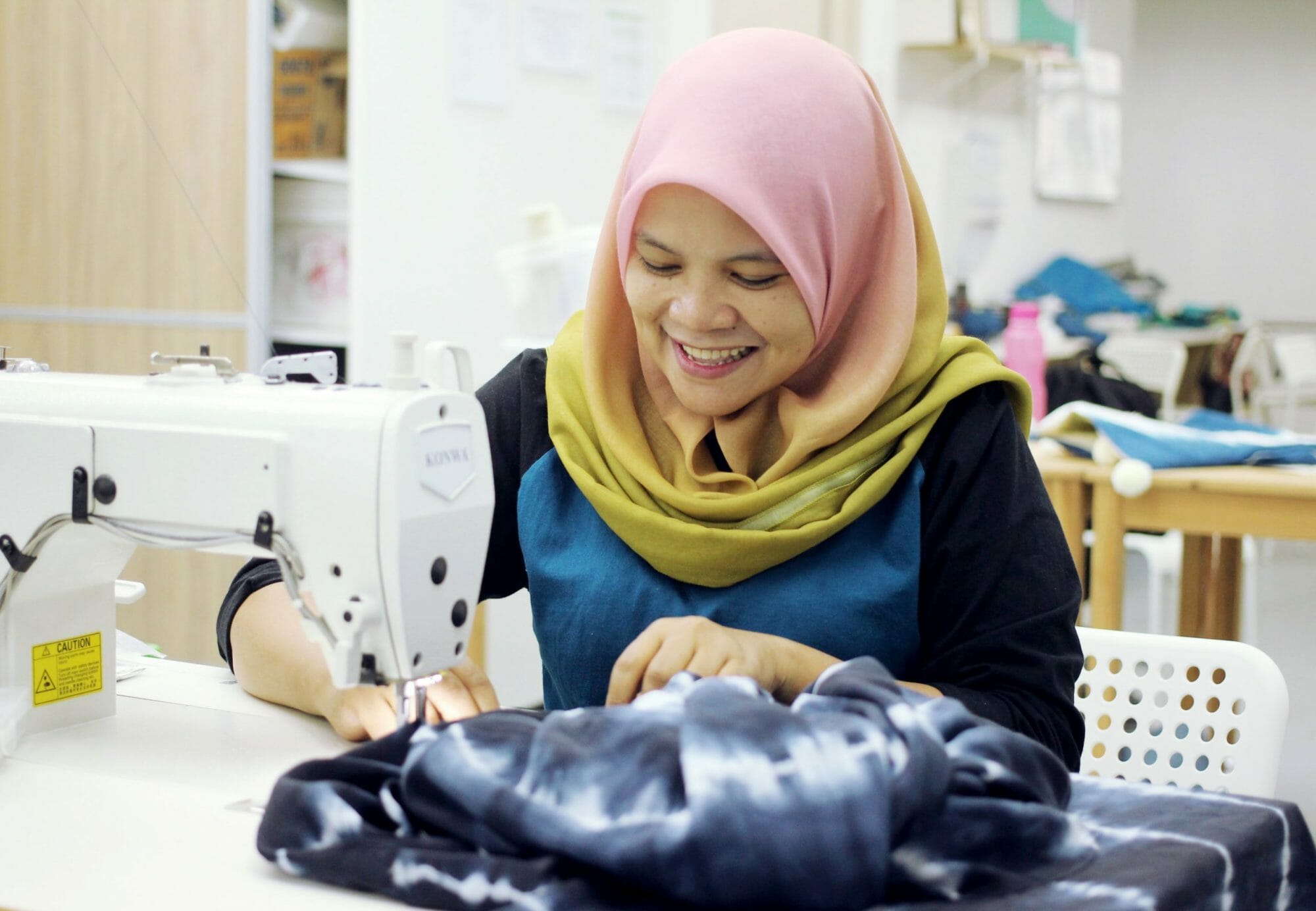
Batik Boutique supports women from low-income communities by producing batik products with natural dyes and recycled materials.
These businesses demonstrate that sustainability can be woven into everyday operations rather than treated as a separate corporate initiative.
Malaysian SMEs do not have to figure it out alone.
The SME Sustainability Action Guide, developed by the United Nations Global Compact Network Malaysia & Brunei (UNGCMYB) with Konrad-Adenauer-Stiftung Malaysia and other partners, provides practical guidance for businesses looking to integrate Environmental, Social and Governance (ESG) principles into their operations.
Rather than focusing on large corporations, the guide was designed specifically for SMEs, recognising that many smaller businesses have limited financial resources and technical expertise.
Its recommendations are refreshingly practical.
Improving energy efficiency can begin with switching to LED lighting, using energy-efficient equipment or exploring renewable energy where feasible. Reducing waste through recycling, digital documentation and less packaging can lower costs while reducing environmental impact.
Responsible procurement is another important step. Choosing suppliers that prioritise renewable resources, ethical labour practices and lower-emission supply chains can strengthen sustainability throughout the business ecosystem.
Water conservation, whether through efficient appliances, rainwater harvesting or reusing water where possible, offers another accessible opportunity for SMEs.
Perhaps most importantly, sustainability is not just about technology. It is also about people. Encouraging employees to develop environmentally responsible habits, rewarding green ideas and providing sustainability training can help create a workplace culture where innovation becomes everyone’s responsibility.
Malaysia is not alone in this transition. Businesses in countries such as the United Kingdom have increasingly embraced sustainability by setting practical environmental targets, engaging employees and reviewing their supply chains, showing that sustainability is becoming a mainstream business strategy rather than a niche initiative.

The misconception that sustainability is prohibitively expensive continues to discourage some SMEs.
In reality, many of the most effective measures begin with small operational changes that gradually produce financial and environmental benefits. Lower energy bills, reduced waste, stronger customer trust and better preparedness for evolving market expectations can all improve business resilience over time.
Sustainability is no longer merely a trend; it is becoming a business necessity.
For Malaysian SMEs, the real opportunity lies not in making dramatic overnight transformations, but in taking practical first steps that reduce their environmental footprint while strengthening their competitiveness.
Sometimes, the smallest changes become the foundation for the biggest gains. ‒ Aug 20, 2026
Dr Mohammad Noor Hisham Osman is a Senior Lecturer in Accounting from the School of Businesss and Economics, Universiti Putra Malaysia.
The views expressed are solely of the author and do not necessarily reflect those of Focus Malaysia.
Main image: BusinessToday Malaysia