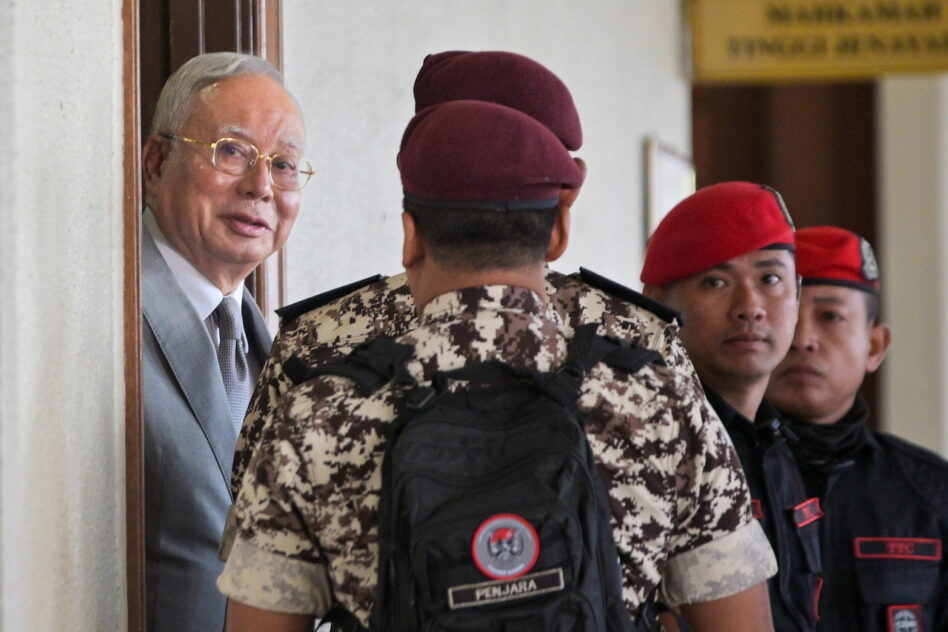

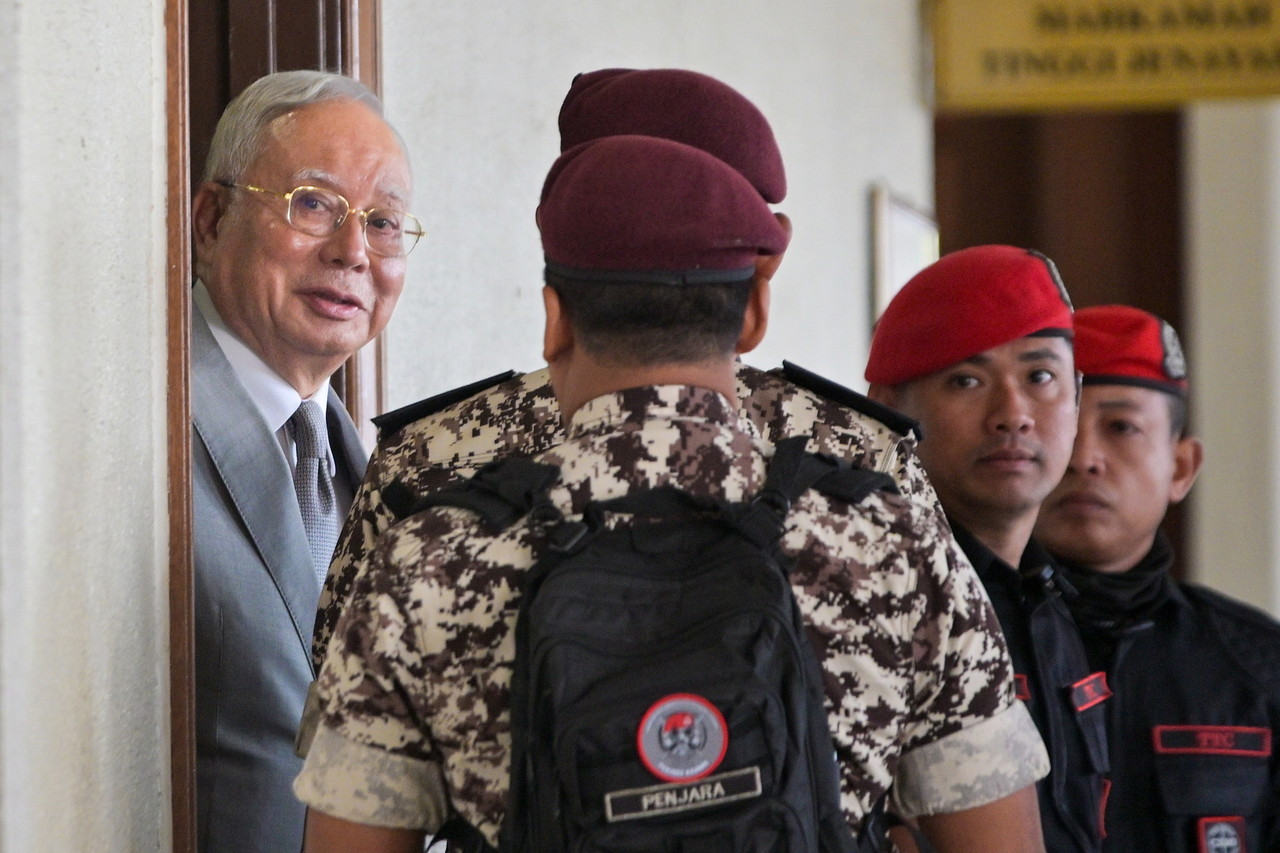
DATUK Seri Najib Razak’s transition from prison to conditional house arrest has done more than revive debate over 1MDB.
It has exposed a deeper structural imbalance within Malaysia’s unity government: Pakatan Harapan (PH) may command the larger parliamentary bloc, but Barisan Nasional (BN), particularly UMNO, retains political leverage beyond its numbers.
That imbalance became visible when Anthony Loke offered to resign as Transport Minister following Najib’s conditional pardon.
DAP’s Central Executive Committee decided Loke would step down while its other ministers remained in Cabinet to preserve political stability. Prime Minister Datuk Seri Anwar Ibrahim has yet to decide whether to accept the resignation.
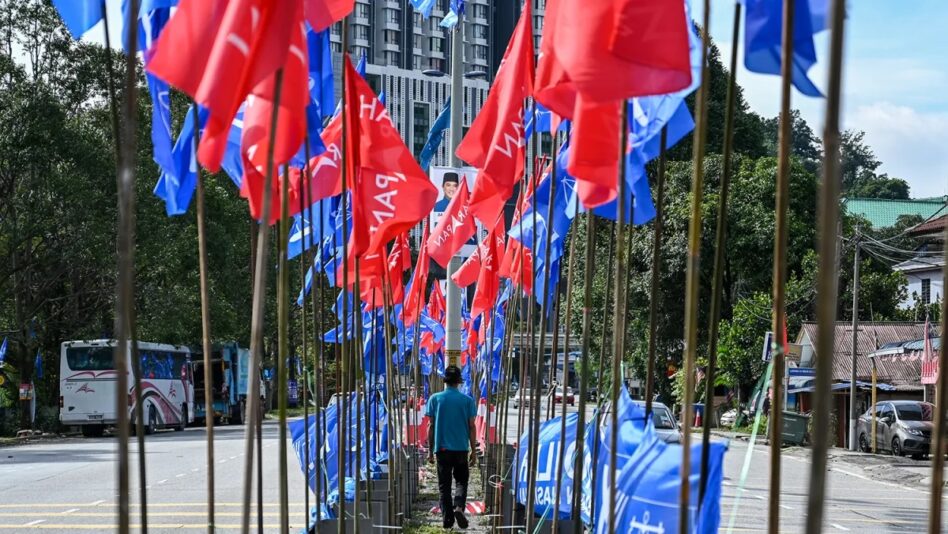
The significance extends beyond one minister’s future. DAP has been compelled to demonstrate that remaining in government does not mean abandoning its long-standing position on corruption and 1MDB.
The political arithmetic explains why.
DAP has 40 MPs, compared with UMNO’s 26. PH collectively holds 76 seats, while BN has 30. Yet the federal government also depends on GPS, GRS and other partners, meaning parliamentary strength does not automatically translate into political dominance.
UMNO’s influence stems from its position as a pivotal Malay-based coalition partner. Its president, Datuk Seri Dr Ahmad Zahid Hamidi, is Deputy Prime Minister and BN chairman, and has repeatedly said BN will remain in the Unity Government until the parliamentary term ends.
This creates an uncomfortable reality for PH. A coalition can have more seats yet less room to manoeuvre when governing depends on strategically important partners.
Recent state elections reinforce that point.
In July 2026, BN won 48 of Johor’s 56 seats, including 36 for UMNO, while PH secured only eight.
A month later, BN won 18 of Negeri Sembilan’s 36 seats and formed the state government with Perikatan Nasional (PN), which won seven. PH fell from 17 seats in 2023 to 11, while UMNO won all 16 seats it contested.
These results should not be projected directly onto GE16. State elections operate under different local dynamics, candidates and issues But they reveal something politically significant: BN and UMNO have shown they can compete aggressively against PH while cooperating with parties that remain federal-level opponents.
That flexibility may be one of UMNO’s greatest assets.
For PH, the contradiction is increasingly apparent. It entered the unity government with substantially greater parliamentary representation than UMNO, yet governing requires compromises that can blur the distinctions on which PH parties built their support.
DAP faces the sharpest version of this dilemma.
Its supporters have long associated the party with institutional reform, accountability and opposition to corruption. DAP has consistently argued that the 1MDB scandal damaged Malaysia’s reputation, public confidence and national finances.
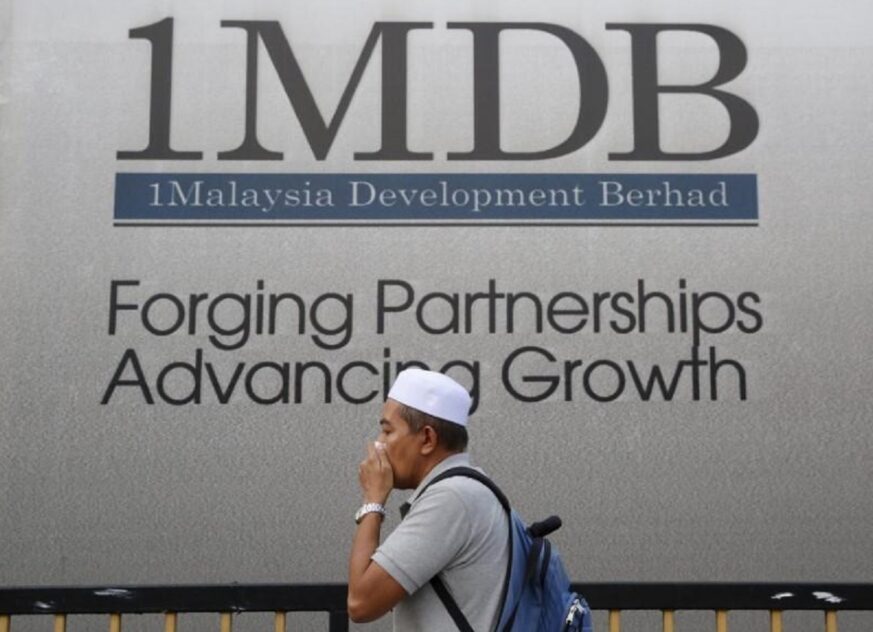
The Finance Ministry has estimated the government’s total 1MDB-related obligations at RM51.4 bil, with RM8.9 bil still outstanding.
Najib’s conditional pardon therefore presents a difficult political question: how can DAP remain an influential governing party alongside UMNO while convincing supporters that its commitment to accountability remains intact?
Loke’s resignation offer can be understood as an attempt to manage that tension without destabilising the coalition.
At DAP’s August party conference, delegates voted decisively to remain in government until the parliamentary term ends, with 1,857 supporting continued participation and 242 opposing it.
His subsequent move nevertheless signals that remaining in government does not require accepting every political development without consequence.
It represents an effort to preserve DAP’s governing role while drawing a clearer line on accountability and institutional credibility.
The episode also challenges the assumption that PH’s larger parliamentary bloc automatically confers strategic superiority.
Politics is not simply arithmetic. Coalition dependence, constituency management, institutional positions and cross-party negotiation all shape political influence.
Looking ahead to GE16, the central question may not be whether UMNO can restore its pre-2018 dominance.
Instead, it is whether PH can preserve a coherent political identity while governing with BN, particularly when UMNO has demonstrated its willingness to cooperate with PN at state level.
Najib’s return has therefore become a test of coalition architecture. DAP must balance principle against governing responsibility. PKR must hold together the unity arrangement around Anwar.
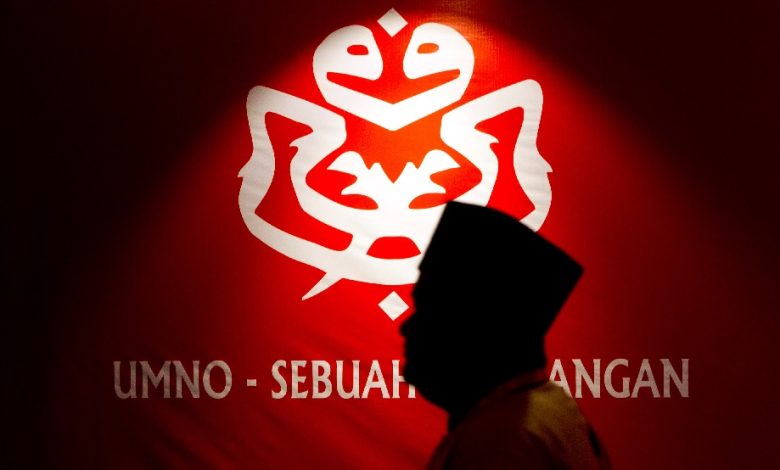
UMNO, meanwhile, must show that relatively modest parliamentary numbers can still translate into substantial political influence.
The next general election will ultimately be decided by voters. But the political landscape entering GE16 already looks different from that of 2022.
Johor and Negeri Sembilan have highlighted BN’s renewed organisational capacity, while the Najib episode has reopened questions about the long-term compatibility of PH and BN.
The issue is no longer simply Najib’s political relevance. It is whether the coalition architecture forged after GE15 can withstand the competing pressures of accountability, electoral geography, race, religion and political survival. ‒ Sept 21, 2026
R. Paneir Selvam is Principal Consultant at Arunachala Research & Consultancy Sdn Bhd (ARRESCON), a think tank specialising in strategic national and geopolitical analysis.
The views expressed are solely of the author and do not necessarily reflect those of Focus Malaysia.
Main image: Bernama