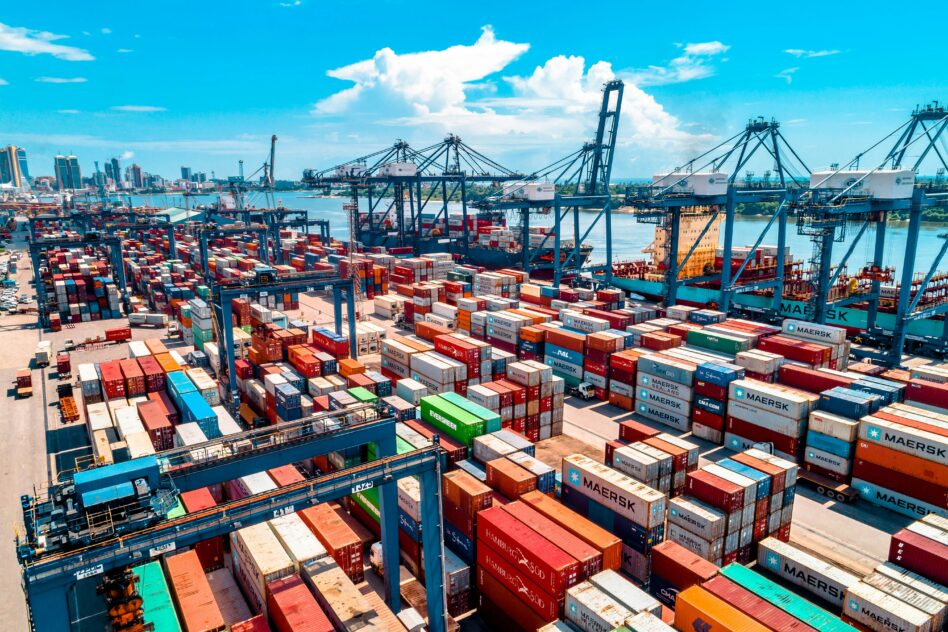

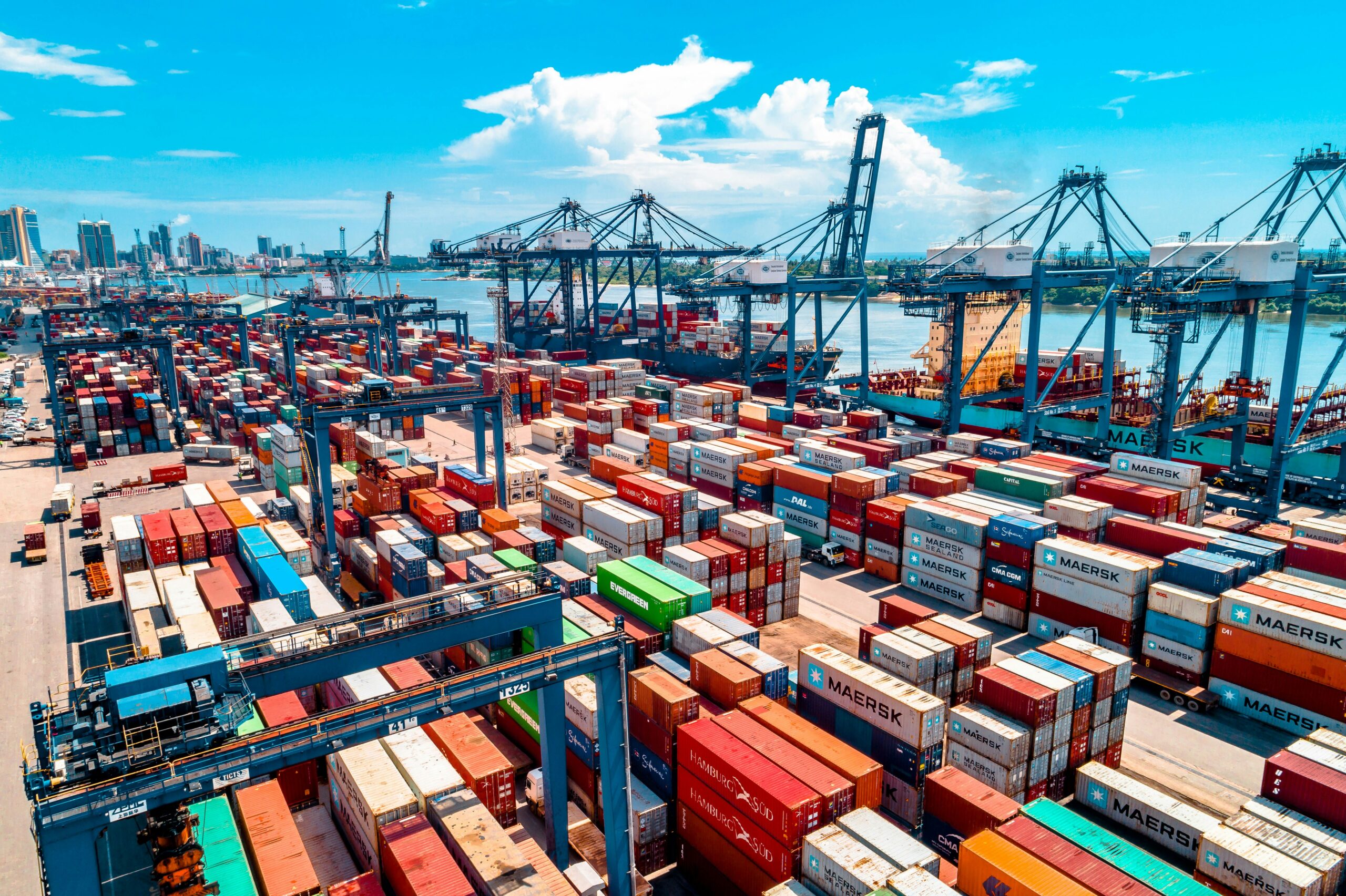
EVERY product you buy, from your phone to your coffee and sneakers, has passed through a global supply chain. That chain is now facing a reckoning.
Most companies say they care about sustainable supply chains. Few are translating those commitments into action. And the gap between words and implementation is becoming a significant business risk.
A recent MIT survey found that 83% of companies consider sustainability important or very important to long-term business success.
Yet 68% said tariff uncertainty had forced them to delay, scale back or compromise sustainability plans. Nearly a third reported that trade-related disruptions had increased their operational emissions.
Companies may want to do the right thing, but trade disputes, supply shocks and cost pressures can derail sustainability initiatives.
Customers are paying attention, too. FedEx research found that 81% of Asia-Pacific consumers prefer companies that appear to operate more sustainably than competitors, while nearly four in 10 are willing to pay more for sustainable packaging.
Sustainability is also increasingly influencing supply chain decisions among small and medium enterprises in Southeast Asia.
If businesses fail to adapt, they risk losing customers as sustainability becomes an increasingly important consideration in purchasing decisions.
Resilience and sustainability go hand in hand

Many business leaders treat resilience and sustainability as separate priorities. They shouldn’t.
A company relying on a single factory in one country and one fuel source is vulnerable to geopolitical shocks, fuel price spikes and changing carbon regulations.
Diversifying suppliers, spreading production across regions and shortening transport distances can help reduce those vulnerabilities while lowering emissions.
The same investments can deliver two benefits: greater resilience and more sustainable operations.
Businesses are already reconsidering supply chain strategies shaped by efficiency and cost alone. Disruptions in recent years have highlighted the risks of relying too heavily on single suppliers, long transport routes and narrowly optimised networks.
Don’t overlook the technology already available
When discussing green logistics, attention often turns to futuristic solutions such as hydrogen trucks, electric ships and sustainable aviation fuel. These technologies matter, but businesses need not wait for them to become widespread.
MIT’s 2026 supply chain sustainability report highlights the challenges of decarbonising freight transport, where alternative fuels and low-emission technologies remain far from universal.
Meanwhile, existing diesel fleets can reduce emissions through route optimisation, load consolidation and better data management, without immediately replacing vehicles.
The first priority should be measuring emissions, including those generated across suppliers and other parts of the value chain.
These indirect emissions can account for a substantial share of a company’s carbon footprint, making visibility essential to identifying where reductions are possible.
Businesses can then use digital tools and AI to optimise routes, loads, warehouse operations and energy consumption.
FedEx’s Sustainability Insights tool, for example, provides shipping emissions data that businesses can use to assess and improve their shipping strategies.
Sustainability needs a seat at the table
MIT’s findings also point to the importance of organisational structure. Among companies with formal cross-functional sustainability teams, 57% said sustainability was frequently or always incorporated into daily decisions. Where responsibility rested within a single function, the figure fell to 13%.
Yet sustainability teams are often excluded from decisions about warehouse locations, supplier contracts and long-term network design, despite these choices potentially locking in emissions for years.
Only 33% of companies surveyed had board-level sustainability oversight. Without accountability at the top, sustainability commitments can become vulnerable when business priorities shift.
Three things business leaders should know
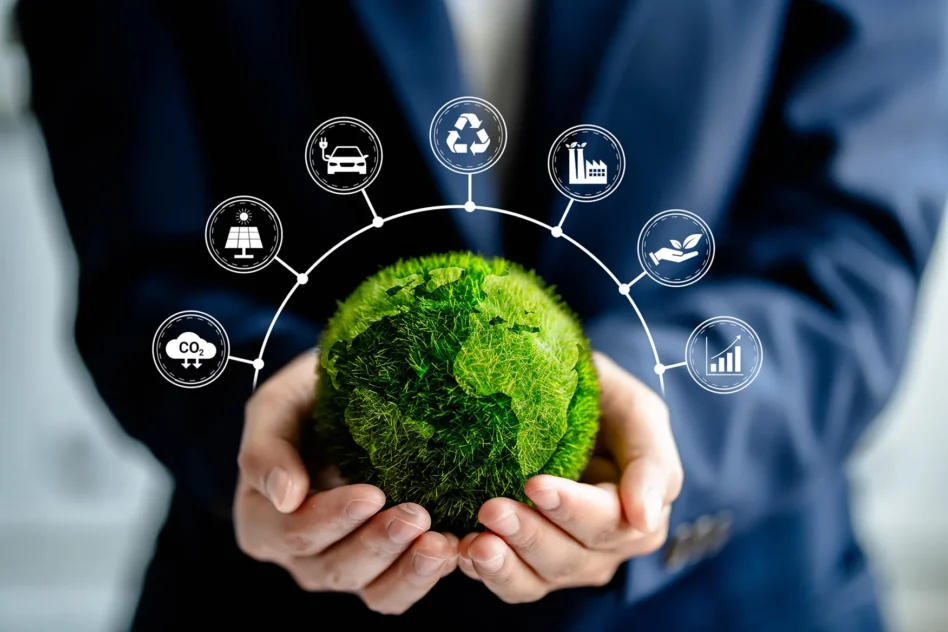
First, the winners will not necessarily be companies with the flashiest sustainability pledges, but those able to demonstrate measurable progress. Regulators, customers and investors increasingly expect credible data rather than glossy reports.
Second, stop treating resilience and sustainability as separate budgets. Diversifying suppliers, regionalising production and investing in digital planning tools can help achieve both.
Third, be realistic about technology. Measure emissions first, optimise existing operations, then invest in replacing equipment where it makes economic and environmental sense.
Sustainability is not a noble extra. In a world shaped by carbon costs, customer expectations, regulation and disruption, it is increasingly a business imperative.
The question is no longer whether your supply chain should become greener. It is whether your business can afford to wait. ‒ Nov 24, 2026
The author is affiliated with the Tan Sri Omar Centre for STI Policy Studies at UCSI University and is an Adjunct Professor at the Ungku Aziz Centre for Development Studies, Universiti Malaya.
The views expressed are solely of the author and do not necessarily reflect those of Focus Malaysia.
Main image: Unsplash/Ali Mkumbwa