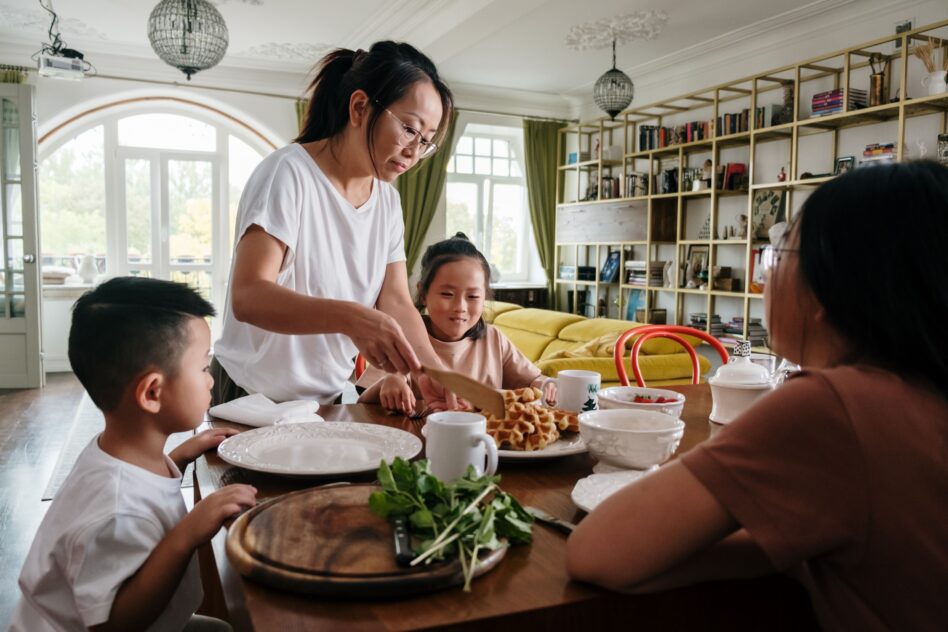

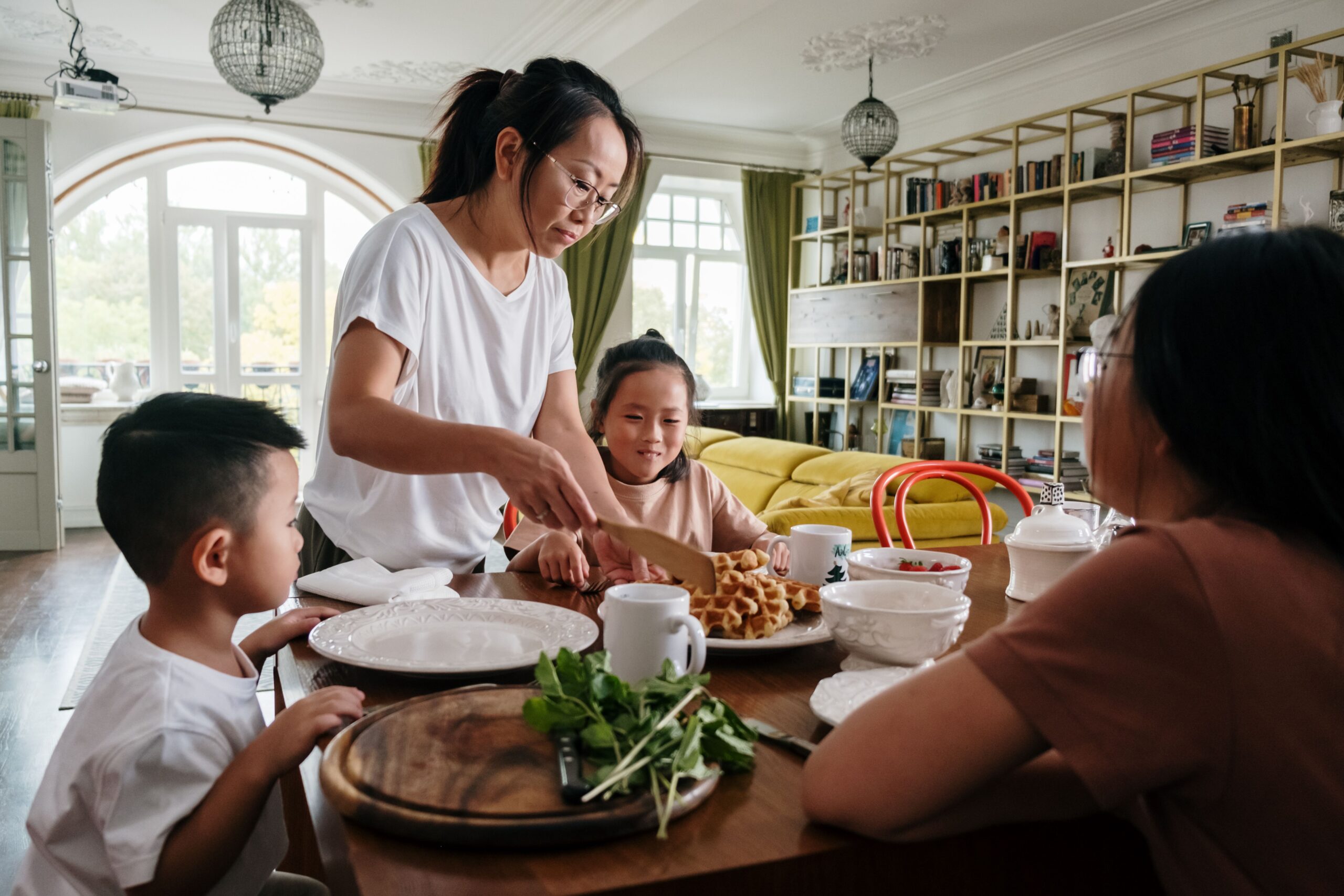
PARENTING is one of the toughest jobs anyone can have. Yet, as paediatrician Kishwar Enam notes in her article “Finding Balance”, most people enter parenthood without formal training in how to raise another human being.
This matters greatly for Malaysian families today. Children are growing up in a world that looks very different from the one their parents knew.
Smartphones, social media, artificial intelligence, peer pressure and rapidly changing social norms are now part of everyday life.
The answer is neither tighter control nor unlimited freedom. Malaysian parents need to learn the difficult art of balancing authority with independence.
Many Malaysian families have traditionally placed strong emphasis on obedience, respect for elders, academic achievement and family reputation. These values have their strengths, but obedience alone does not necessarily produce mature adults who can make sound decisions.
A child should be able to question a parent’s decision respectfully. Listening to a child does not mean giving up parental authority. It shows the child that their thoughts and feelings matter.
This becomes especially important during the teenage years, when young people begin building their own identities.

They want more privacy and independence, while friends and the online world exert greater influence. Parents should see this as a normal part of growing up, rather than automatically treating it as rebellion.
Of course, independence must come with limits.
Parents should know their children’s friends, understand where they are going and maintain appropriate supervision.
Clear rules are necessary when it comes to drugs, violence, dangerous driving, exploitation, cyberbullying and other serious risks but not every disagreement needs to become a confrontation.
A teenager’s hairstyle, clothing, music or harmless friendship may not warrant the same parental intervention as behaviour that threatens their safety or wellbeing. Parents need to distinguish between a difference in preference and a genuine danger.
Malaysia’s education culture, with its strong emphasis on examinations, presents another challenge. Parents naturally want their children to do well academically, but exam results should not become the only measure of success.
A child also needs resilience, empathy, creativity, communication skills, ethical judgement and the ability to solve problems independently.
Asking only, “What marks did you get?” may miss a more important question: “What did you learn, and how did you handle the difficulty?”
Technology calls for the same balanced approach.
Simply taking away a teenager’s phone may offer a quick fix, but it does not necessarily teach responsible digital citizenship. Parents should talk to their children about misinformation, online scams, privacy, cyberbullying, inappropriate content, artificial intelligence and excessive screen use.
The goal should gradually shift from parental supervision to self-discipline.
Parents must also resist the urge to rescue their children from every mistake. Where there is no serious danger, children should sometimes face the consequences of their decisions.
Instead of blaming them immediately, parents can ask: “What happened? What could you have done differently? What will you do next time?”
Such conversations help build judgement and responsibility.
Most importantly, parents must realise that children learn more from what they see than from what they hear.
A parent who demands honesty but behaves dishonestly, demands respect while humiliating others, or tells children to control their anger while constantly losing their temper is teaching through behaviour.
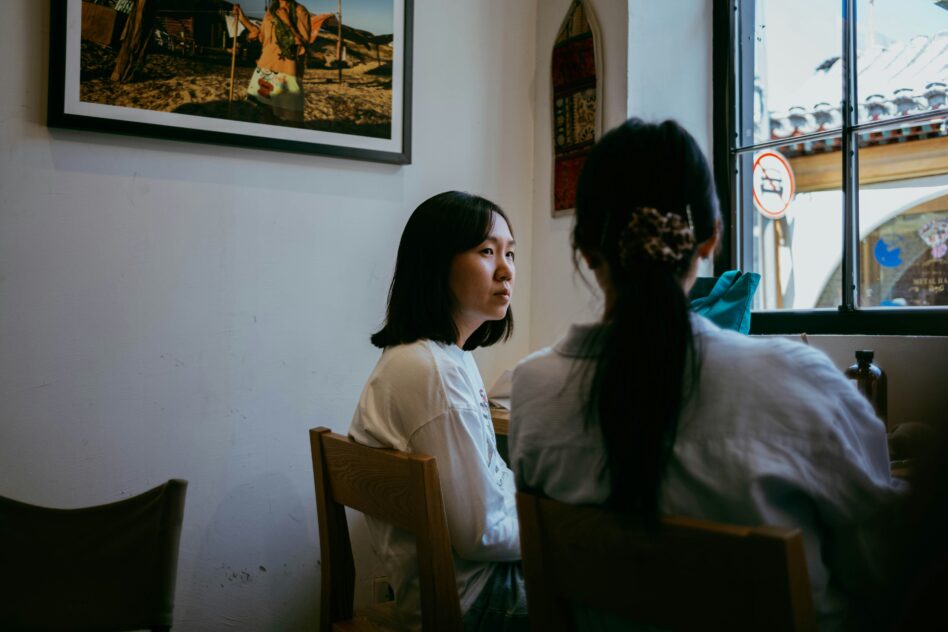
In multicultural Malaysia, parents also have an opportunity to demonstrate respect for people of different ethnicities, religions and backgrounds. Tolerance should not simply be a lesson taught at school. It should be lived at home.
In the end, Malaysian parents need to give their children both roots and wings.
Roots mean family, values, culture, responsibility and a sense of belonging. Wings mean confidence, curiosity, independent thought and the ability to make responsible choices.
The purpose of parenting is not to produce children who obey their parents forever. It is to raise adults who can tell right from wrong, respect others, take responsibility for their actions and make wise decisions when their parents are no longer beside them.
Good parenting is not about controlling every decision. It is about gradually preparing children to make good decisions for themselves.
And perhaps that is the hardest part of parenting: knowing when to hold on, when to step in and, eventually, when to let go. ‒ Oct 8, 2026
KT Maran is a Focus Malaysia reader.
The views expressed are solely of the author and do not necessarily reflect those of Focus Malaysia.
Main image: Pexels/Cottonbro studio