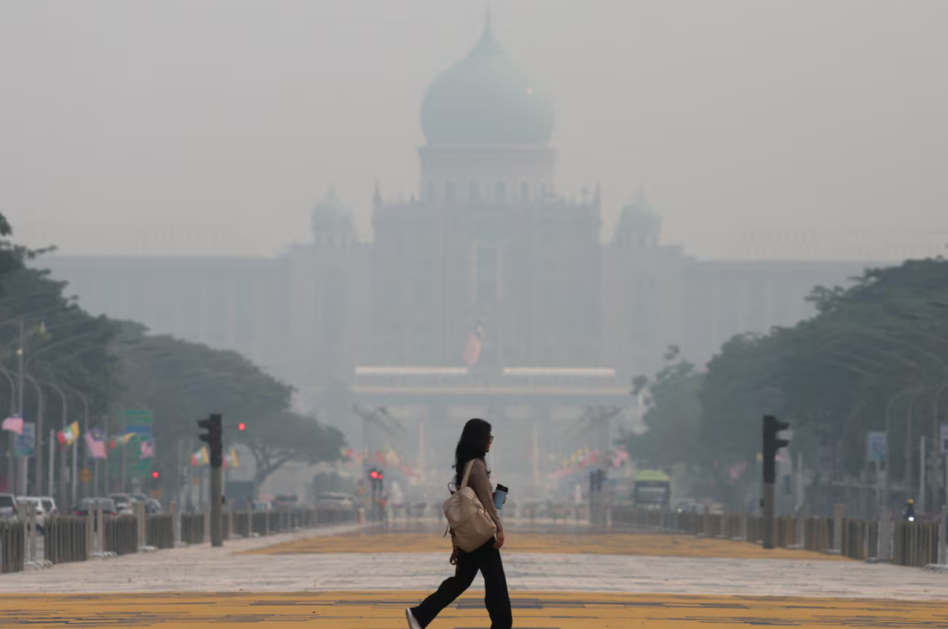

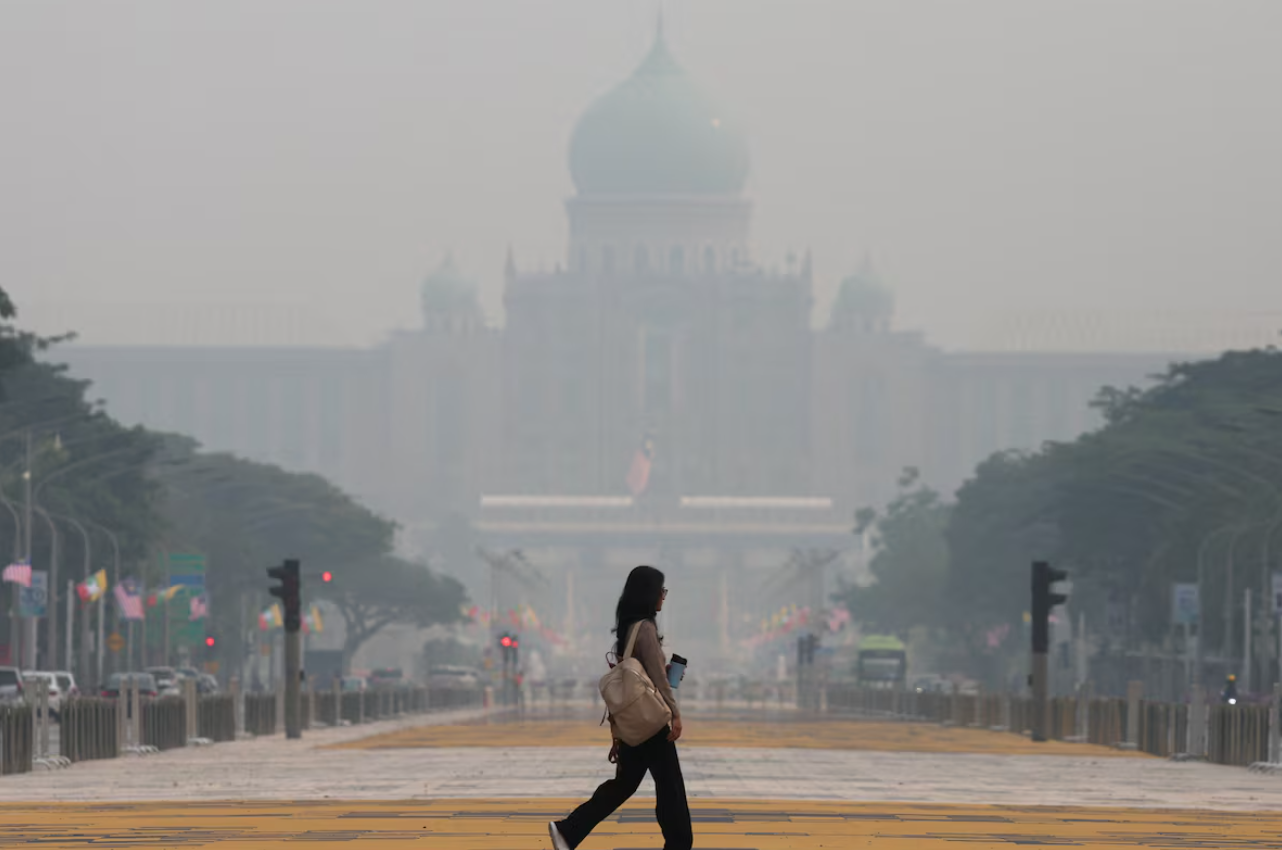
THE Federation of Malaysian Manufacturing (FMM) has urged ASEAN to strengthen regional cooperation and enforcement to tackle trans-boundary haze, warning that recurring air pollution threatens public health, worker safety and economic productivity.
FMM president Jacob Lee Chor Kok said 36 areas in Malaysia recorded unhealthy Air Pollutant Index (API) readings as of 7pm on Oct 8, with Segamat, Johor, recording the highest reading of 190, followed by Seremban, Negeri Sembilan, at 189.
The haze has also disrupted education, with schools in Johor closed on Oct 8 and 9, followed by closures on Oct 9 in Negeri Sembilan, Melaka, Selangor, Kuala Lumpur and Putrajaya, as well as Rompin district in Pahang.
Lee said the situation highlighted the need for ASEAN to move beyond managing haze episodes towards preventing fires and addressing their underlying causes.
For manufacturers, haze can affect workers’ health and attendance, disrupt outdoor operations and logistics, and increase spending on air filtration, protective equipment and operational adjustments.
Lee said preventing haze was therefore essential not only for public health but also for industrial resilience and regional competitiveness.
He outlined five priorities for ASEAN: improving monitoring and early warnings, strengthening fire prevention and enforcement, promoting responsible supply chains, expanding financing and environmental technology, and protecting workers and communities.
Strengthen monitoring and enforcement
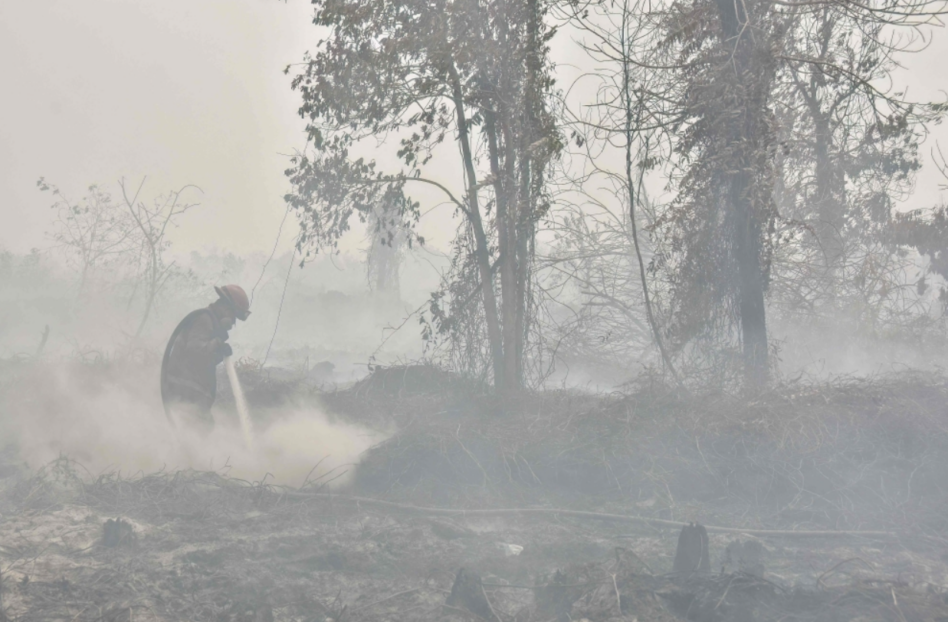
Lee called for more effective use of existing regional monitoring and early-warning systems, including the ASEAN Specialised Meteorological Centre, which tracks hotspots and smoke haze.
He said satellite observations, ground-level air-quality measurements and meteorological data should be better integrated to identify fire risks earlier and provide timely information to businesses and communities.
ASEAN member states should also strengthen enforcement against illegal open burning, promote sustainable agricultural practices and accelerate the restoration of vulnerable peatlands.
“At the same time, smallholders and rural communities must be provided with affordable alternatives to open burning, including appropriate technologies, equipment and financial assistance,” he proposed.
“Regional emergency-response arrangements should translate into prompt coordination of firefighting support and technical assistance when required and requested by affected countries.”
Promote responsible supply chains and green investment
Lee urged businesses to strengthen environmental due diligence, improve traceability of agricultural and forest-based raw materials, and support zero-burning practices throughout relevant supply chains.
He said sustainability requirements should be backed by credible verification, consistent enforcement and practical assistance for small and medium enterprises (SMEs).
FMM also called for greater financing under the ASEAN Investment Framework for Haze-Free Sustainable Land Management, which aims to mobilise an estimated US$1.5 bil by 2030 to address the underlying causes of haze.
“ASEAN should also strengthen regional Research, Development, Innovation and Commercialisation (R&DI&C), drawing upon universities, research institutions and industry expertise to develop practical and affordable environmental solutions,” Lee added.
“Greater attention should be given to artificial intelligence, satellite technology, air-pollution monitoring systems and sustainable land-management technologies.”
Protect workers and improve accountability
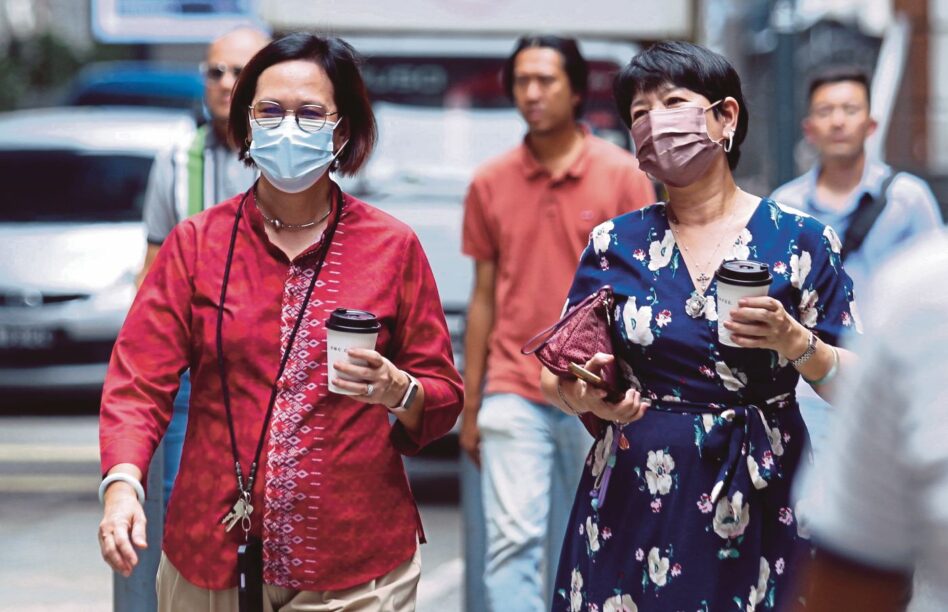
Lee urged employers to assess and control workers’ exposure to haze, particularly during outdoor activities such as loading, unloading, yard operations and maintenance.
He said manufacturers should maintain ventilation systems, prevent polluted air from entering buildings, and use suitable filtration and respiratory protection based on workplace risk assessments.
Companies should also activate haze-response and business-continuity plans covering employee communication, safe work arrangements and logistics contingencies.
At the regional level, Lee called for regular public reporting against the targets and indicators in ASEAN’s Haze-Free Roadmap 2023–2030, with clear responsibilities and measurable milestones for fire prevention, haze reduction and sustainable land management. The roadmap aims to achieve a transboundary haze-free ASEAN by 2030.
FMM will encourage its members to adopt workplace haze-response measures, improve responsible sourcing and pursue cleaner production, while facilitating industry-academia collaboration on environmental solutions.
Lee also called for Budget 2027 to provide targeted incentives for environmental technologies, industrial research and development, and SME sustainability investments, including workplace air-quality monitoring and filtration improvements.
He said environmental sustainability and industrial competitiveness should reinforce one another, adding that ASEAN’s ambition to become a leading sustainable manufacturing and investment destination would be undermined if recurring haze continued to threaten people’s health and well-being.
The priority, he said, must be to eliminate preventable causes of haze rather than repeatedly managing its consequences. ‒ Oct 9, 2026
Main image: Reuters