
ANYONE who takes a nice long look at the hazy atmosphere blanketing Kuala Lumpur will come to the simple realisation that this is a major air pollution.
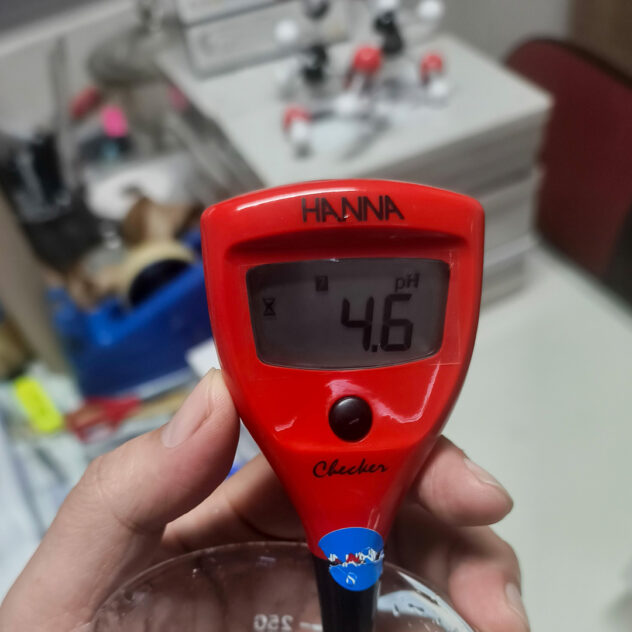
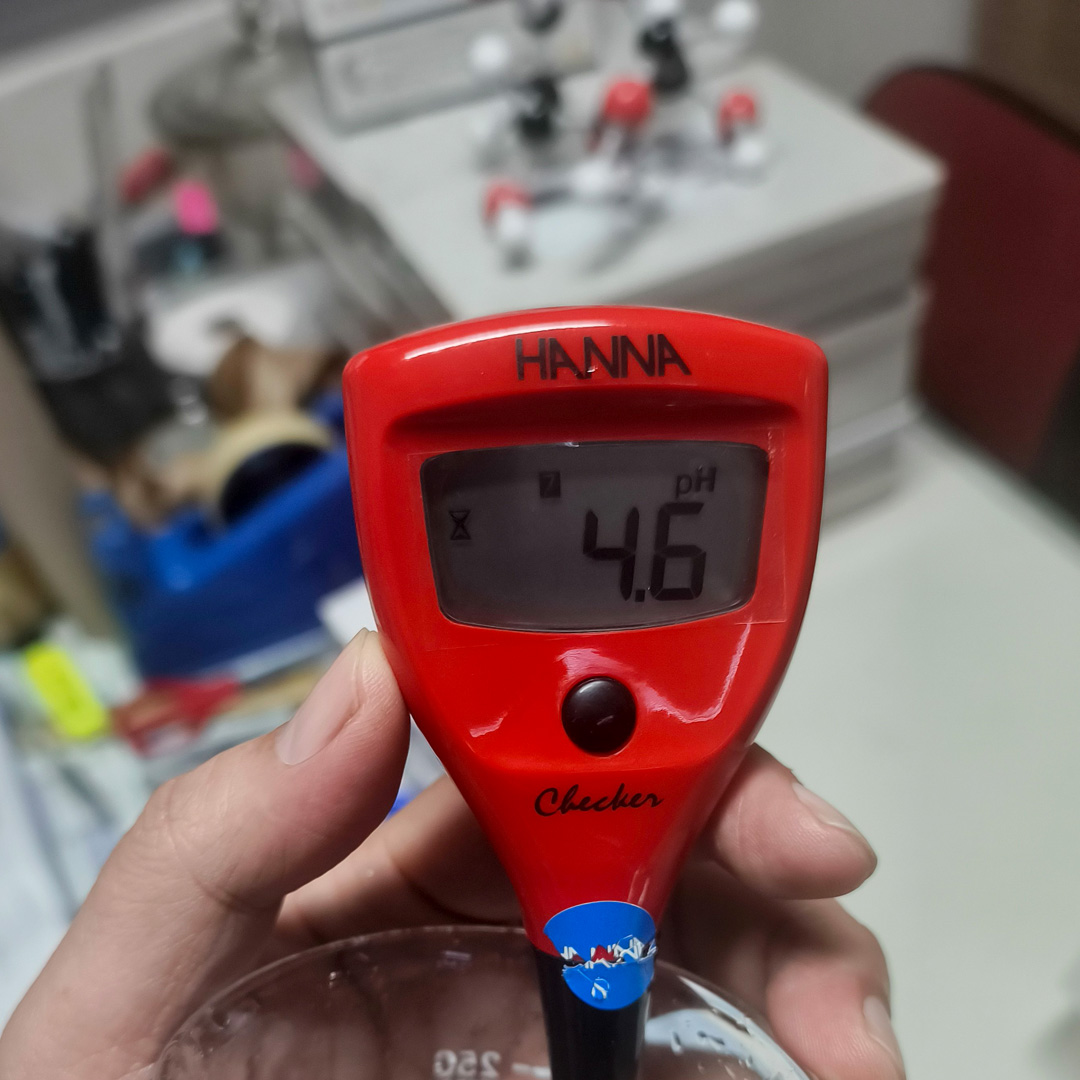
But is that all? A netizen who collected rainwater during the recent haze was taken aback after testing the sample and recording a pH reading of 4.6.
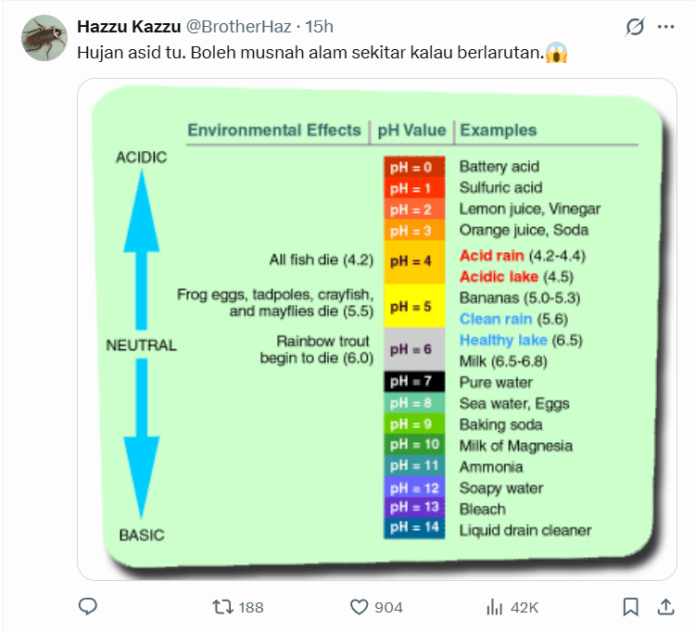
For context, rain is naturally slightly acidic, typically registering a pH of around 5.6, because carbon dioxide dissolves in water to form weak carbonic acid.
A reading of 4.6 is therefore more acidic than what is generally expected of ordinary rainwater.
His findings has since prompted concerns among fellow social media users over whether the rain could pose a health risk.
In the comment section, a helpful netizen even chipped in to give a comprehensive detail on how the pH level of the water can destroy the flora and fauna.
Check out this info too:
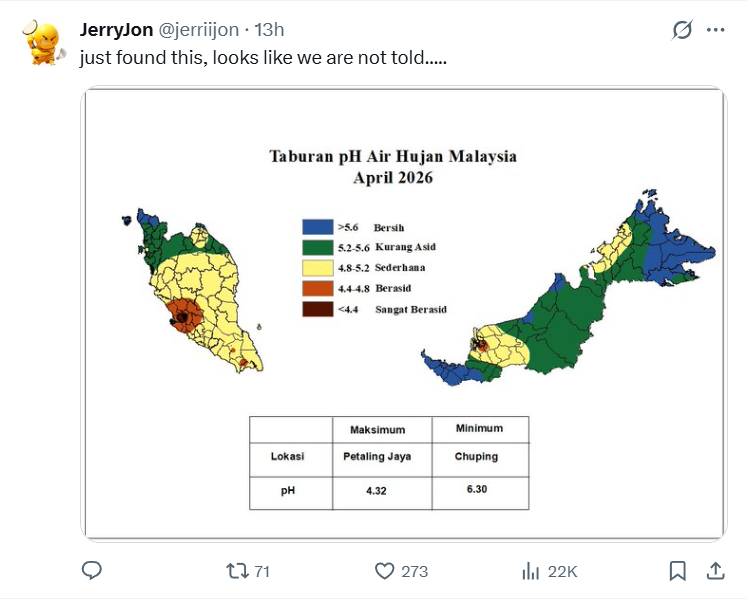
On the other hand, @orangsalji83 believes a photo of a dumbfounded cat was better at explain the situation.

The connection between haze and acidic rainwater is also worth examining.
Research published in Science of the Total Environment found that rainwater acidity in Malaysian monitoring locations was influenced by pollution sources, including compounds associated with nitrogen and sulphur emissions.
The study also found that rainwater acidity increased during haze episodes at a rural monitoring site.
Still, a single pH reading cannot establish that haze caused the acidity of the netizen’s sample.
The result would need to be verified under controlled conditions, with proper sampling and calibrated testing equipment, before conclusions could be drawn about the water’s composition or potential risks.
While the post has prompted questions about what may be falling from the sky during the haze, the broader takeaway is that air pollution can affect more than visibility.—Oct 9, 2026
Main image: @orangsalji83 (X)