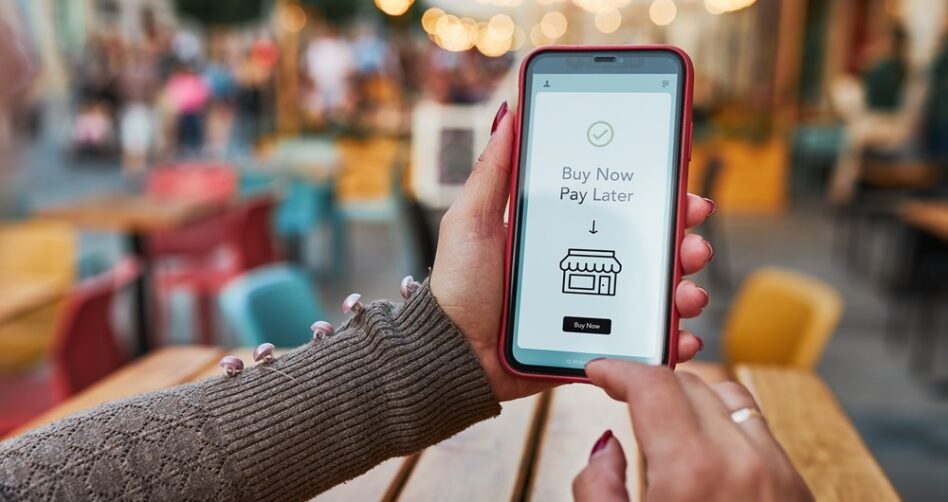

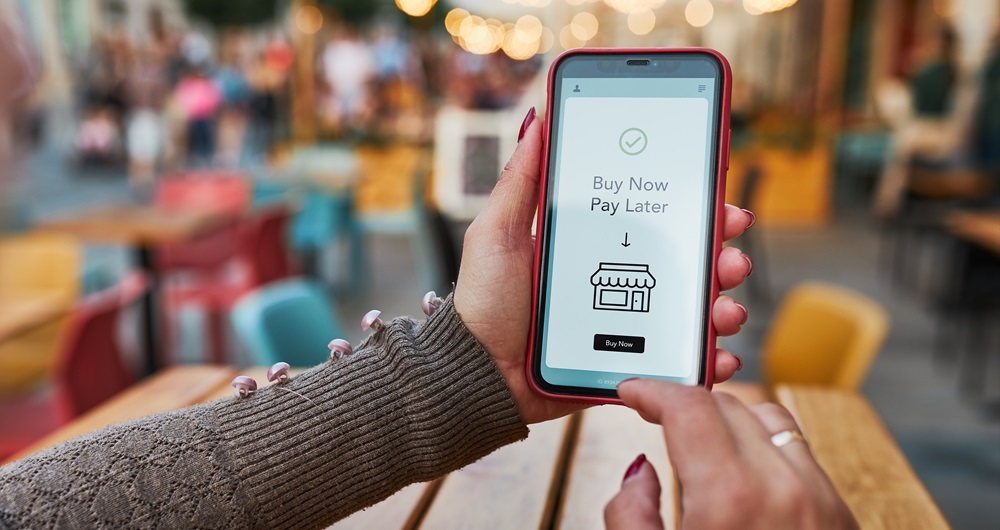
The Malaysia Consumers Movement (MCM) has expressed concern reports that Malaysian youths have accumulated RM5.4 bil in Buy Now, Pay Later (BNPL) purchases, saying this development should prompt serious reflection on the growing normalisation of consumer credit particularly among Malaysian youth.
While BNPL is often marketed as a convenient and flexible payment option, MCM cautions that convenience should not be mistaken for affordability.
“The ability to purchase something today does not necessarily mean a consumer has the financial capacity to pay for it tomorrow,” it stressed.
“Our concern is not merely the amount being spent, but the spending behaviour that BNPL could encourage.
“By breaking purchases into seemingly manageable instalments, BNPL risks weakening financial discipline, encouraging impulse purchases and creating a false sense of affordability.”
This is particularly concerning for younger consumers who may have limited disposable income, inadequate savings and competing financial commitments.
Multiple small instalments across different platforms can quickly accumulate into a substantial monthly financial obligation.
“MCM believes that access to credit should not become a substitute for purchasing power,” the group continued.
“We must be careful not to cultivate a generation that becomes accustomed to borrowing for everyday consumption before developing the discipline to save and spend within its means.”
At the same time, the group recognises that BNPL can serve a legitimate purpose when used responsibly.
The issue is therefore not simply its availability, but how aggressively it is promoted, how transparently its risks are communicated and whether adequate safeguards exist to protect consumers.
“In this regard, MCM calls for a more responsible approach involving regulators, BNPL providers, retailers and consumers,” it said.
“First, stronger affordability assessments are necessary. Credit should not be extended solely on the basis of convenient digital onboarding or repayment history.
“Providers must exercise greater responsibility in assessing consumers’ ability to meet their financial obligations.
Second, BNPL marketing practices warrant closer scrutiny. Promotional messages that emphasise instant gratification, minimal upfront payments or effortless approval should be balanced with clear disclosures of repayment commitments, penalties and the consequences of missed payments.
“Third, greater transparency and oversight are needed. Consumers should be able to understand their total outstanding BNPL commitments, while policymakers should have sufficient visibility of emerging patterns of indebtedness, particularly among younger age groups.
“Fourth, financial literacy must go beyond awareness campaigns. Young Malaysians need practical financial education that strengthens budgeting, savings discipline and the ability to distinguish between essential expenditure and discretionary consumption.”
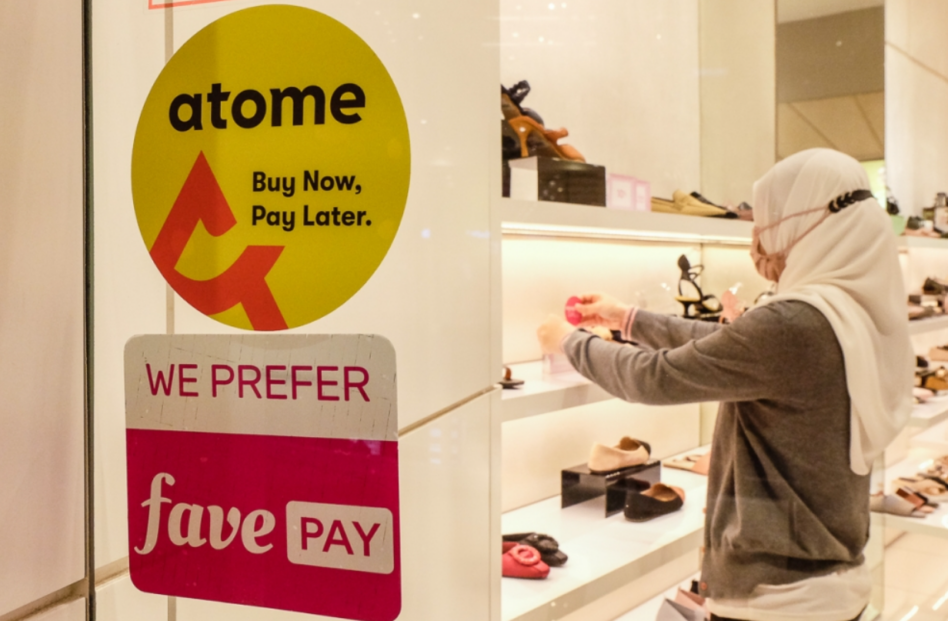
The group went on to encourage retailers to exercise restraint in positioning BNPL as a default or preferred payment method, particularly for non-essential purchases, saying commercial efforts to increase sales must be balanced against the longer-term financial well-being of customers.
“Ultimately, the growth of BNPL should not be celebrated purely as an indicator of digital payment adoption or consumer spending,” MCM noted.
“Its success must also be measured against responsible borrowing, repayment sustainability and consumer financial resilience.”
It also emphasised that Malaysia should be building a generation of financially empowered consumers, not one increasingly dependent on deferred payments to sustain consumption.
“MCM therefore urges all stakeholders to take a proactive rather than reactive approach,” it said.
“The objective should not be to eliminate responsible credit options, but to discourage unnecessary borrowing and ensure that innovation in financial services does not come at the expense of consumer welfare.” ‒ Oct 15, 2026
Main image: The Daily Aus