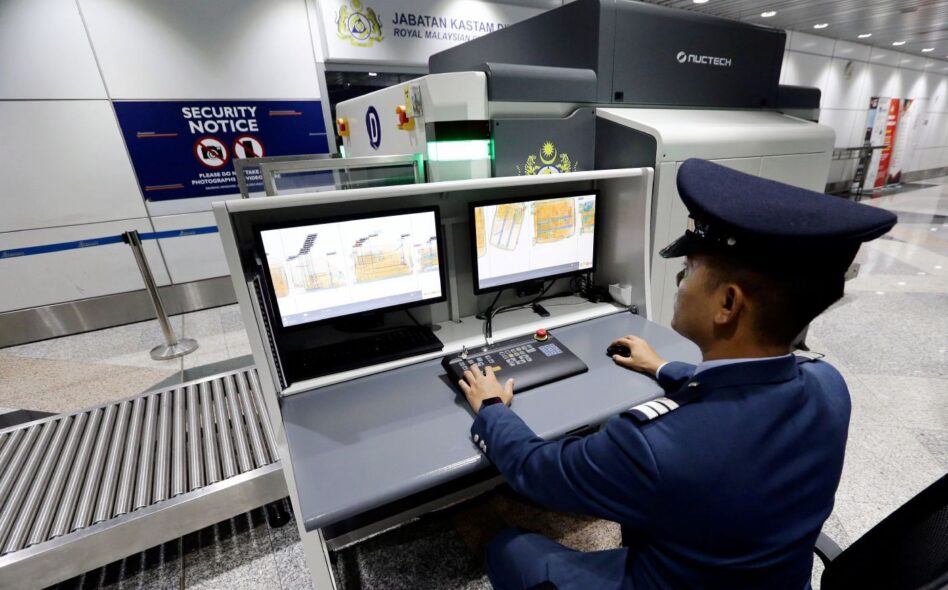

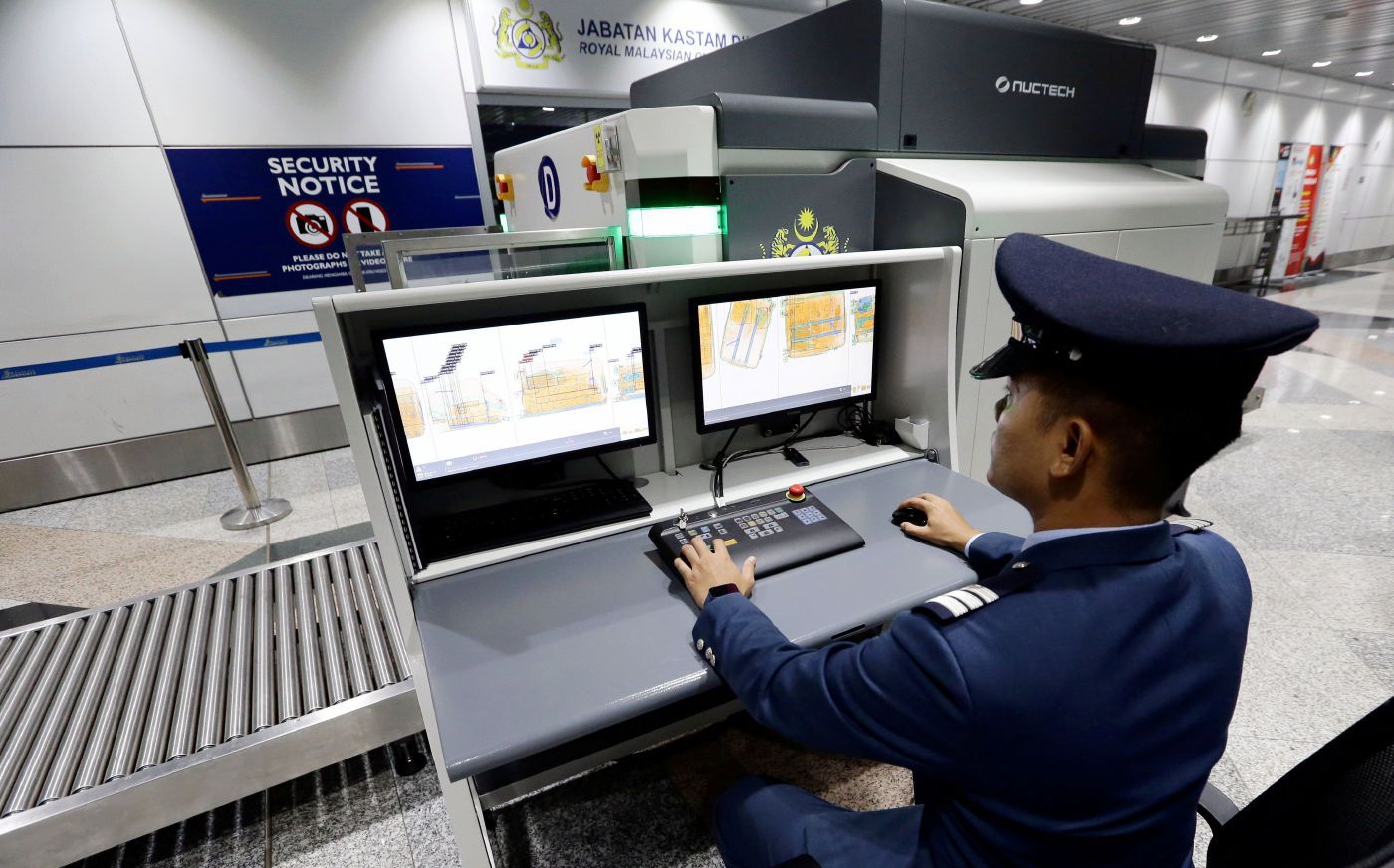
REPEATED arrests of Malaysians overseas in alleged drug-smuggling cases have raised questions about airport screening procedures, prompting MCA National Youth Deputy Chairman Mike Chong Yew Chuan to call for greater accountability and a transparent review of border security.
The latest case involves five Malaysians arrested at Haneda Airport in Tokyo on Oct 10 after Japanese customs officers allegedly discovered about 5kg of cocaine concealed in their shoe insoles.
According to Bernama, six Malaysians aged between 19 and 26 departed from Kuala Lumpur International Airport Terminal 2 on Oct 9.
Five were arrested in Japan, while the sixth returned to Malaysia. Five of the six were from Sarawak, and none had a criminal record, Bukit Aman Narcotics Crime Investigation Department director Comm Datuk Hussein Omar Khan said on Oct 14.
Japanese authorities are investigating the source of the drugs and the suspected international smuggling network. Bukit Aman is also sending a team to Japan to gather information and investigate possible links to syndicates operating in Malaysia.
Chong emphasised that these successive incidents raise serious questions about the effectiveness, accountability and integrity of our border security agencies.
“How could individuals allegedly carrying substantial quantities of illegal drugs pass through Malaysia’s airport security and border controls undetected, only to be arrested by foreign authorities upon arrival?” he asked.
“In the latest case, five individuals reportedly travelled together carrying cocaine concealed in their footwear. This is not a minor oversight that can simply be brushed aside.
“How did our screening systems fail to detect such a significant quantity of drugs? Are we dealing with scanner deficiencies, procedural failures, human error or, more seriously, possible misconduct among those entrusted with protecting our borders?”
Calling for the Royal Malaysian Customs Department, Aviation Security (AVSEC) and the Ministry of Transport to provide clear answers, Chong said the public deserves to know whether established screening procedures were followed and what measures are being taken to prevent similar incidents.
The Haneda case follows other high-profile incidents involving Malaysians detained abroad.
In July, Indonesian authorities arrested a 39-year-old Malaysian pilot at Soekarno-Hatta International Airport in Jakarta after allegedly finding more than 70,000 ecstasy tablets weighing about 25kg, along with methamphetamine, in his luggage.
Malaysia’s Border Control and Protection Agency subsequently said the pilot had passed security screening in Malaysia before being arrested in Jakarta. The case prompted Malaysia Aviation Group to introduce mandatory drug testing and tighter screening measures for its pilots.
In a separate case reported on Sept 29, five Malaysians were detained at Soekarno-Hatta Airport over the alleged smuggling of about 5kg of etomidate concealed in their footwear.
Indonesian police said the substance was confirmed by laboratory testing and that investigations led to the arrest of another suspect allegedly connected to the operation.
These cases involve different substances and circumstances, and do not necessarily indicate a single method of operation.
According to Chong, the government should not wait for foreign authorities to expose potential weaknesses in the country’s security systems before taking action.
“An independent review of airport screening and border control procedures is necessary, with appropriate action taken against any officers found to have committed misconduct or negligence,” he remarked.
Chong further noted that every incident involving alleged drug smuggling damages Malaysia’s reputation and undermines public confidence in the country’s enforcement agencies.
He said the authorities cannot continue treating these cases as isolated incidents without addressing possible systemic failures.
“The fundamental question remains: how did these suspects leave Malaysia undetected, and when will the authorities take responsibility?” Chong questioned.
“Malaysians deserve more than assurances. They deserve accountability, transparency and decisive action to safeguard our national security.” ‒ Oct 15, 2026
Main image: NST