
A SABAH Wanita MCA leader has urged the Health Ministry to expedite repairs to dilapidated staff quarters and improve living conditions for healthcare workers serving in remote areas, particularly in Sabah and Sarawak.
Its chairperson Datuk Dr Pamela Yong’s call follows recent reports highlighting poor accommodation, unreliable water supplies and inadequate facilities faced by medical personnel posted to rural and interior communities.
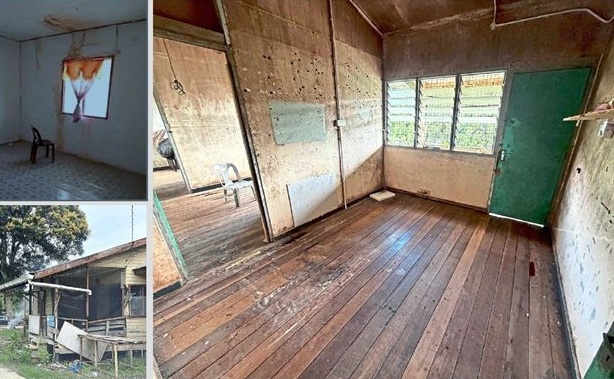
A report published by The Star on Nov 3 detailed accounts from healthcare workers in Sabah and Sarawak who described living in poorly maintained quarters, dealing with prolonged water disruptions and having to resolve maintenance problems at their own expense.
One doctor who had served in Sabah’s interior for two years reportedly said staff had relied on gravity-fed water or rainwater, with the clinic and quarters sometimes left without water for months during dry seasons.
“Reports of dilapidated staff quarters, unreliable water supplies and complaints allegedly going unanswered are particularly troubling,” Dr Yong said.
“A doctor serving in the interior of Sabah for the past two years reportedly shared that staff frequently relied on gravity-fed water or rainwater. During dry seasons, the clinic and quarters could be left without water for months.”
Yong said the RM100 mil allocation under the 13th Malaysia Plan (13MP) to repair, upgrade and maintain unsafe Health Ministry staff quarters was a positive step, but urged the ministry to accelerate implementation.
The ministry has identified 2,725 of its 21,167 quarters nationwide as damaged or having safety issues. Repairs will be carried out in phases, with RM34 million allocated under the first phase to address 760 units.
The remaining 1,965 units are scheduled for repairs under the second phase, beginning next year.
“However, the Ministry needs to expedite the work rather than leave healthcare workers waiting indefinitely. The government is also urged to consider rental allowances so staff can secure suitable accommodation nearby while repairs are pending,” she said.
Yong stressed that healthcare workers serving in remote locations should have access to safe, decent accommodation and reliable basic amenities, regardless of where they are posted.
“Doctors and medical personnel in remote areas are not asking for luxury. Clean water, decent accommodation and a secure place to rest are basic necessities.
“Those without quarters near their clinics also deserve suitable accommodation nearby.”
She said staff quarters should, where feasible, be built closer to hospitals and clinics to reduce travelling time and ease the burden on healthcare personnel.
Yong added that improving accommodation and surrounding infrastructure would be important in attracting and retaining healthcare workers in rural areas, where access to essential services and reliable utilities could also be challenging.
She also called on the ministry to take complaints from healthcare workers seriously, investigate unresolved grievances and establish clear channels through which staff could seek assistance.
“How can healthcare workers remain motivated and provide optimal patient care when they are deprived of adequate rest and demoralised by poor living conditions?” she said.
“Respect for their service requires concrete action to safeguard their welfare and dignity. Strengthening rural healthcare also means providing safe accommodation and quality, functioning amenities for those serving these communities.” ‒ Nov 4, 2026
Main image: The Star