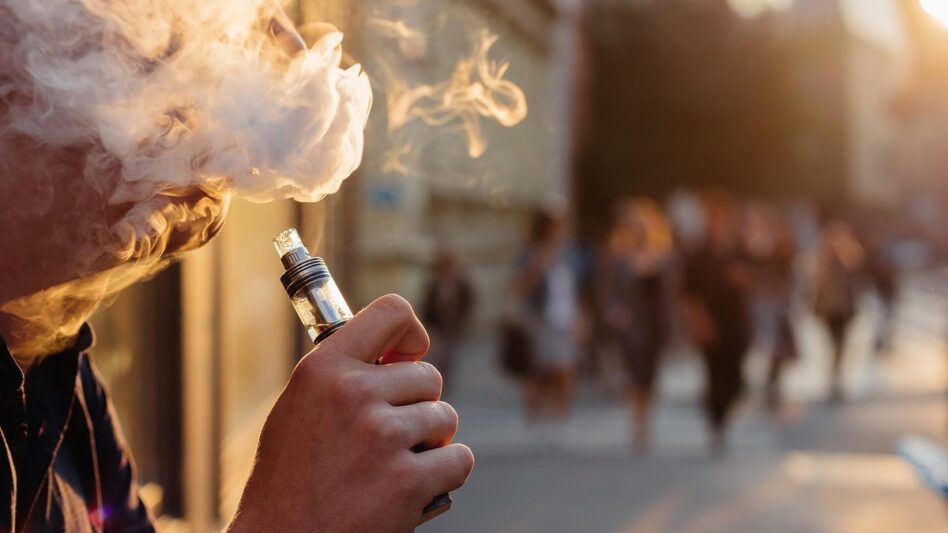

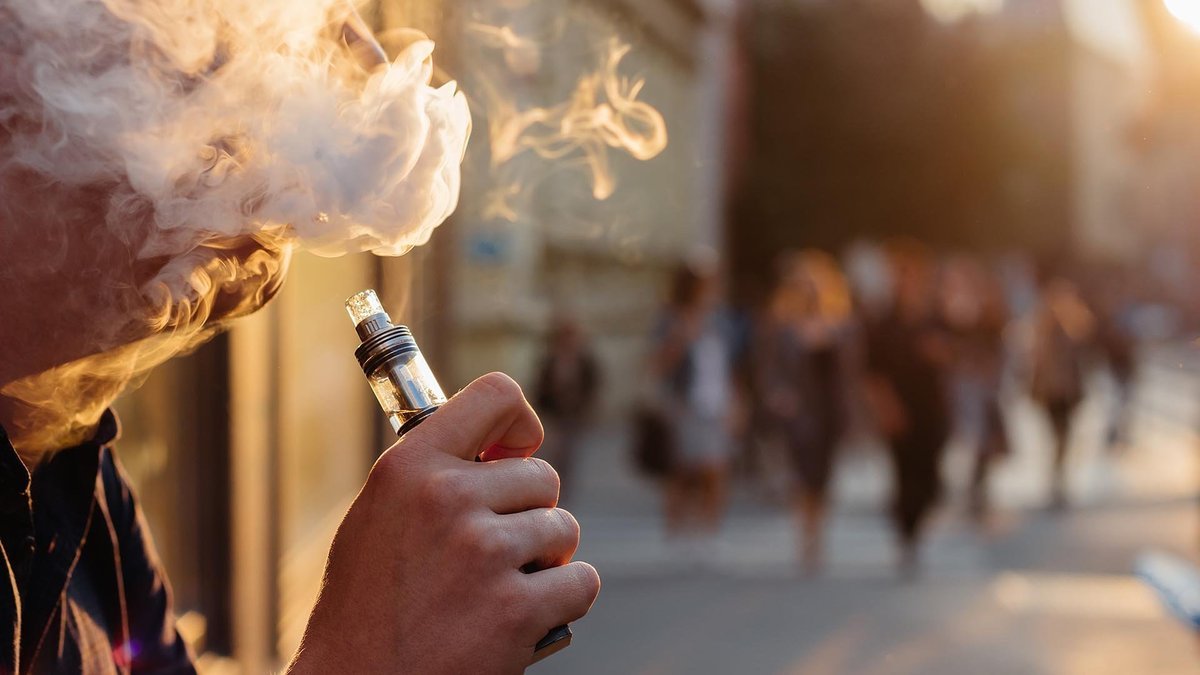
THE Malaysian Council for Tobacco Control (MCTC) has called on the government to maintain controls over nicotine used in electronic cigarettes and vaping products under the Poisons Act 1952, while introducing a phased plan to end their commercial sale.
The council said the government should not treat a possible temporary exemption from the Act as a reason to prolong the availability of nicotine-containing vape products.
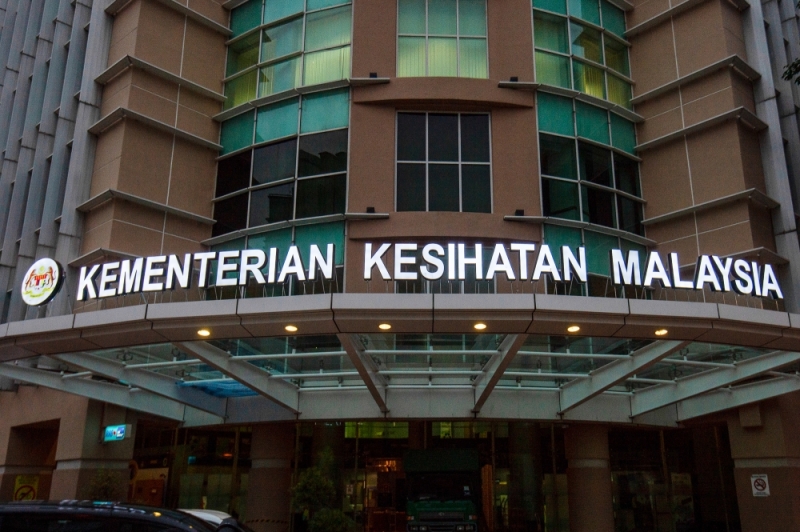
Its position follows a clarification by Health Minister Datuk Seri Dr Dzulkefly Ahmad in a written parliamentary reply dated Nov 5, which was reported on Nov 11.
He confirmed that nicotine in liquid and gel preparations used in electronic cigarettes and vapes is once again subject to the Poisons Act following a High Court judgment and the Government’s decision to withdraw its appeal.
MCTC welcomed the clarification, saying the existing statutory protections should remain in force.
The issue involves the relationship between two laws: the Poisons Act 1952 (Act 366), which regulates certain substances, including nicotine preparations, and the Control of Smoking Products for Public Health Act 2024 (Act 852), which provides a broader framework for regulating smoking products.
MCTC said the two laws should be implemented together, arguing that the introduction of Act 852 should not, by itself, be used to justify removing nicotine liquids and gels from the Poisons Act.
The council’s position is that nicotine-vape products should remain subject to the applicable controls while the government works towards a phased withdrawal of their commercial sale.
Temporary exemption must not become permanent
MCTC said it had sought clarification directly from the Health Ministry before making its position public.
During a stakeholder briefing last week, Deputy Director-General of Health (Public Health) Dr Ismuni Bohari outlined the ministry’s concerns, including the legal implications of the court ruling, existing commercial stocks, trade-related issues and practical enforcement difficulties.
The council thanked Dr Ismuni and the ministry’s public health team for their openness, acknowledging that the issues require coordination across government.
However, it said these challenges did not change the public health objective or necessarily make a temporary exemption unavoidable.
MCTC said its preferred approach was to retain regulation under Act 366 and establish a phased, enforceable withdrawal of nicotine-containing vaping products from commercial sale.
It would consider a temporary exemption only if the government could demonstrate that it was necessary to achieve that outcome, rather than extend the products’ commercial availability.
Any exemption, it added, should have a clearly defined scope and duration, safeguards against further market expansion, and a legally effective mechanism for bringing it to an end.
The council also called for a transparent policy decision at Cabinet level, with clear responsibilities and an implementation timetable.
It argued that the Health Ministry could lead the process, but the wider policy direction must come from the Cabinet because legal, trade and enforcement matters involve several government agencies.
Enforcement and cessation support needed
MCTC said a phased withdrawal would require stronger enforcement, particularly against illicit sales.
It proposed closer cooperation between the Health Ministry, the Housing and Local Government Ministry (KPKT) and local authorities, including coordinated inspections, authorised enforcement officers and digital reporting systems.
The council also renewed its call for an appropriate share of relevant compound revenue to be channelled towards strengthening local-authority enforcement.
Community organisations, including MCTC and veterans’ networks, could assist through public awareness efforts and reporting suspected violations, it said, although enforcement powers should remain with authorised officers.
The council further warned that ending commercial nicotine-vape sales must be accompanied by accessible and adequately funded cessation services.
Without support, people dependent on nicotine could turn to cigarettes or illicit products instead. MCTC called for wider access to counselling, approved medicines and referral services through existing nicotine-dependence treatment frameworks.
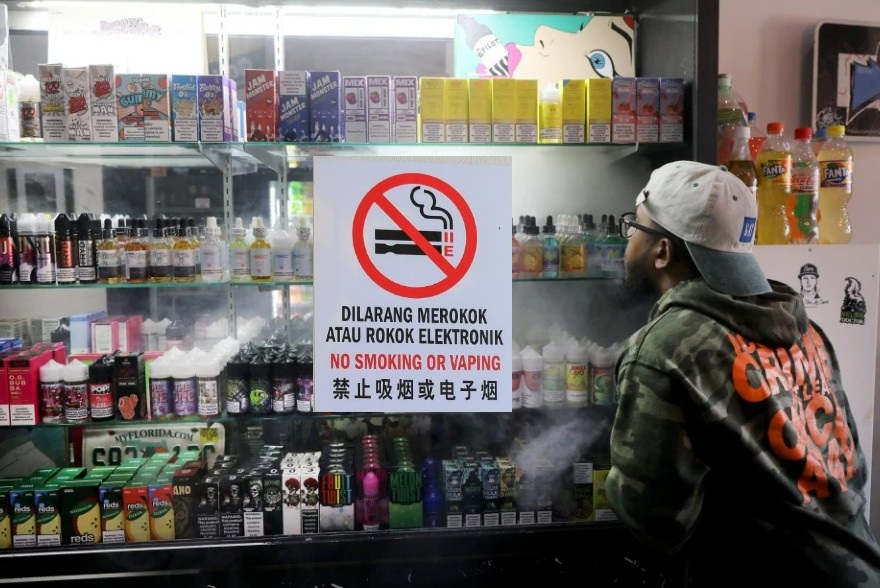
It stressed that commercial vaping products should not be regarded as substitutes for approved medical treatments.
Four priorities for the government
MCTC outlined four actions it wants the government to take: maintain applicable Poisons Act controls over nicotine liquids and gels; establish Cabinet-level direction and a timetable for the phased withdrawal of commercial nicotine-vape sales; impose strict conditions and a definite endpoint on any temporary exemption; and fund enforcement and cessation support.
The council said it would continue working with the ministry’s public health leadership while maintaining independent scrutiny of the government’s response.
It acknowledged the practical obstacles raised by the ministry but maintained that the current legal position should be the starting point for policy decisions.
“Malaysia needs a phased path towards ending commercial nicotine-vape sales, not another indefinite exemption,” the council said, reiterating that public health considerations should determine both the policy objective and how it is implemented. ‒ Nov 12, 2026
Main image: 2Firsts