
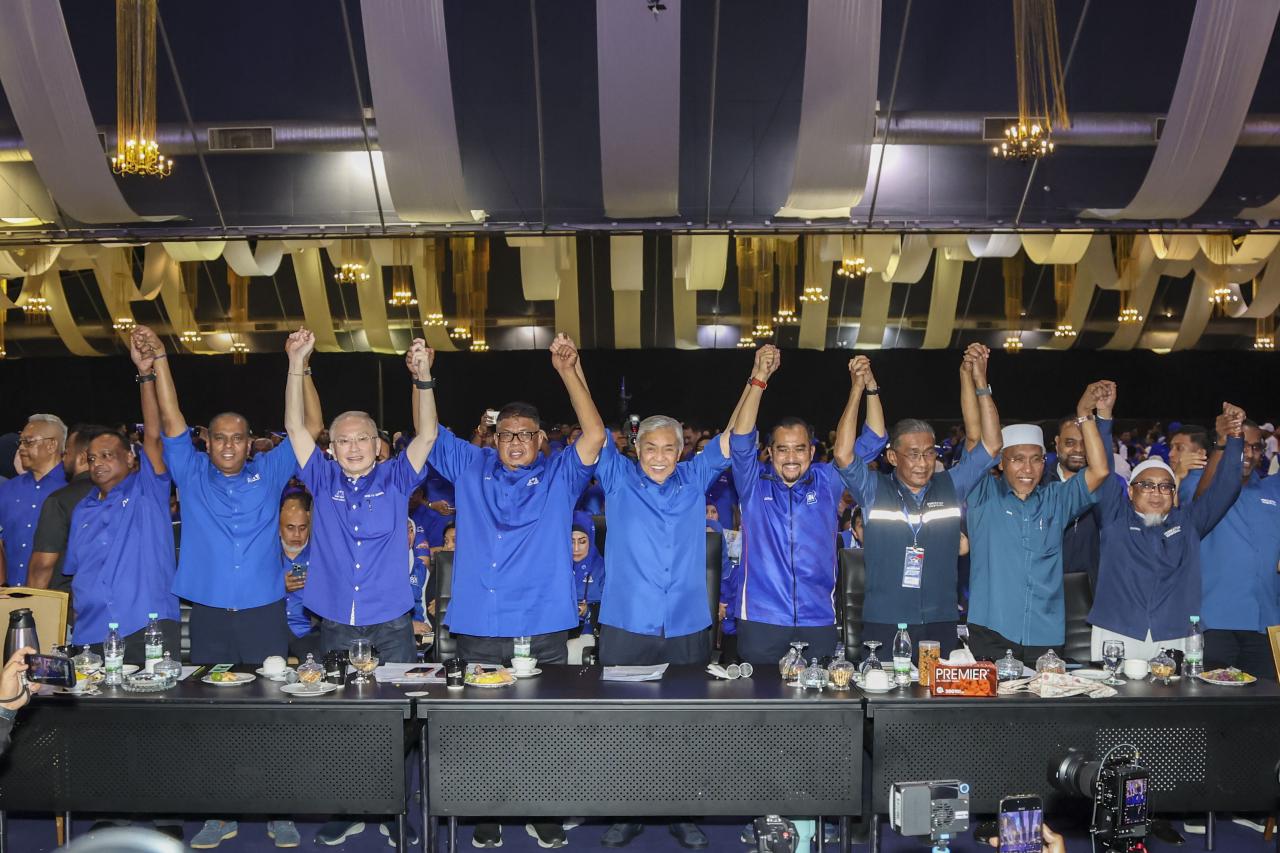
Part one: Melaka’s warning and UMNO’s political resurrection
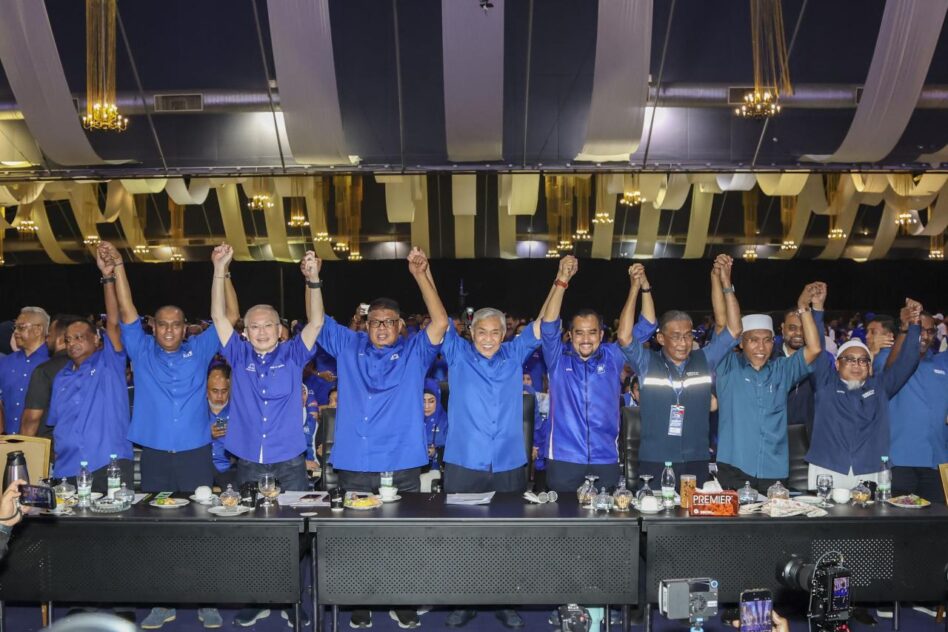
THE Nov 14 Melaka state election delivered a sharp warning to Prime Minister Datuk Seri Anwar Ibrahim and Pakatan Harapan (PH).
Barisan Nasional (BN) won 21 of the 28 seats, Perikatan Nasional (PN) took three, and PH was left with four, all retained by DAP. PKR and Amanah failed to win a seat. The result is a setback for PH ahead of the 16th General Election (GE16), although Melaka alone cannot predict a national outcome.
The significance lies not only in the seat tally but in the electoral arrangement. Channel NewsAsia (CNA) noted that cooperation between BN and PN helped consolidate Malay votes by avoiding three-cornered contests, while the Malay-Muslim unity narrative appeared to push non-Malay voters towards DAP.
The result points to a difficult position for PH: it risks losing ground among Malay voters while relying increasingly on DAP’s strongholds.
That is the political landscape in which UMNO president Datuk Seri Ahmad Zahid Hamidi has strengthened his bargaining position.
UMNO’s recovery from its historic defeat in GE14 in 2018 has been striking. The party was weakened by the 1MDB scandal, declining public confidence and competition from newer Malay political movements. Yet electoral weakness did not make it irrelevant.
The Sheraton Move in February 2020 helped return UMNO to government through a new political arrangement with former opponents.
In 2021, UMNO’s withdrawal of support for Tan Sri Muhyiddin Yassin contributed to the collapse of his government, demonstrating the party’s ability to shape parliamentary arithmetic.
GE15 offered another opening. BN won 30 parliamentary seats, and its support became pivotal in the formation of the unity government.
UMNO’s Supreme Council agreed to back Anwar as prime minister, and Zahid became Deputy Prime Minister. The decision restored UMNO to executive power despite its poor electoral showing. Their cooperation served both leaders, but their political goals were not necessarily aligned.
PH may have treated parliamentary cooperation as the basis for a longer-term partnership. UMNO, however, could treat it as a means of political recovery. Melaka has exposed that tension.
BN’s cooperation with PN at state level, while remaining Anwar’s federal partner, shows that the coalitions can pursue different arrangements at different levels. Whether this reflects a deliberate long-term strategy or electoral necessity, it has strengthened UMNO’s negotiating hand.
Part two: Can PH survive the GE16 political storm?
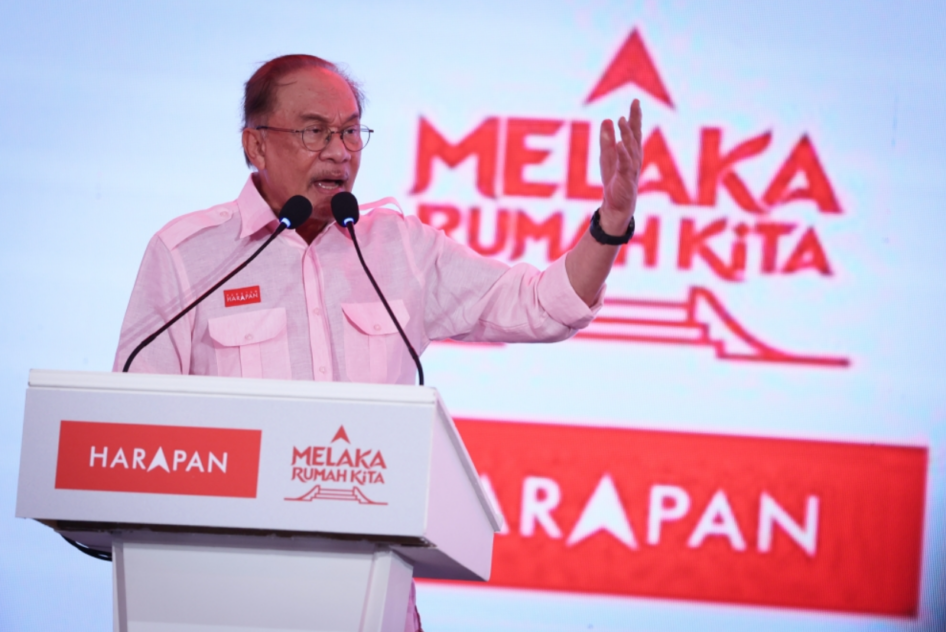
CNA‘s analysis points to an electoral dilemma for Anwar. The BN-PN alliance appears to have strengthened its appeal among Malay voters, while DAP retained all four PH seats.
PKR and Amanah must show they can regain meaningful Malay support if PH is to remain a competitive national coalition.
The challenge is about more than electoral arithmetic. PH came to power promising institutional reform, economic improvement and a more inclusive political settlement. If voters see its record as accommodation without substantial reform, its credibility will suffer.
Zahid’s strategy deserves scrutiny, but it would be difficult to prove that he deliberately engineered every development. The outcome, however, is clear: UMNO has regained political relevance without having to demonstrate that it can command national support on its own.
Anwar’s priority has been coalition stability; Zahid has also been pursuing UMNO’s organisational and electoral recovery.
PH needs more than cosmetic adjustments. PKR must rebuild its Malay credibility through stronger grassroots engagement, credible leadership and a clearer policy offer.
Amanah needs a more distinct identity among moderate Malay voters instead of remaining overshadowed by UMNO and PAS. DAP, meanwhile, must recognise that holding its own strongholds cannot compensate indefinitely for losses among its coalition partners.
Anwar must also reconsider the terms of PH’s relationship with BN. Cooperation cannot remain one-sided, with UMNO holding federal positions while pursuing an independent electoral strategy that weakens PH. The partners need clear commitments and an agreed framework for constituency cooperation before GE16.
Anwar should not assume that BN-PN’s Melaka success guarantees a national victory. The state is an important indicator, not a definitive forecast.
GE16 will also be shaped by economic performance, candidate selection, local issues, turnout and each coalition’s ability to transfer support across constituencies.
Zahid has converted UMNO’s electoral weakness into bargaining strength. Anwar must now decide whether preserving the unity government is enough, or whether he is prepared to address the contradictions threatening PH’s future.
Malaysia needs political partnerships built on accountability, policy coherence and public confidence, not simply the fear of losing power.
Zahid may have won another round of political chess. The question is whether Anwar can change the game before GE16. ‒ Nov 16, 2026
R Paneir Selvam is the principal consultant of Arunachala Research & Consultancy Sdn Bhd, a think tank specialising in strategic national and geopolitical matters.
The views expressed are solely of the author and do not necessarily reflect those of Focus Malaysia.
Main image: Bernama