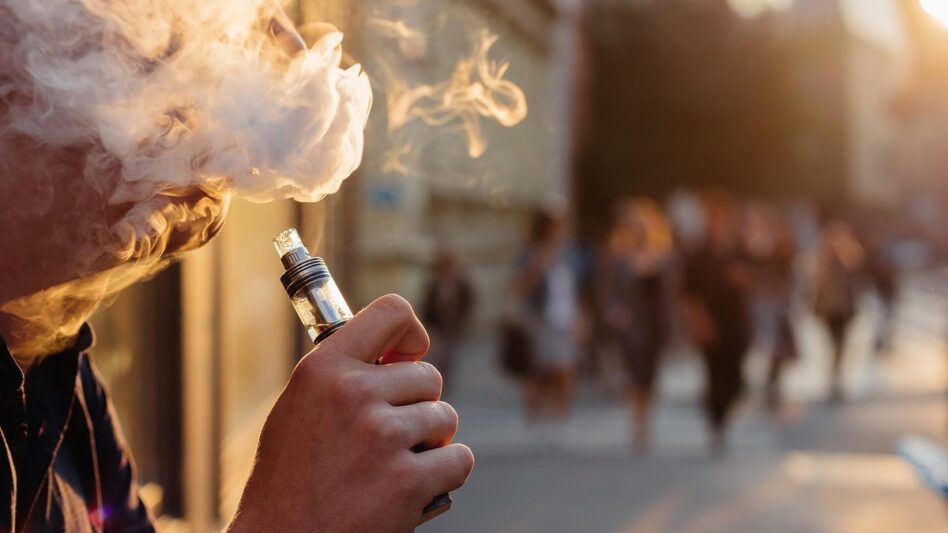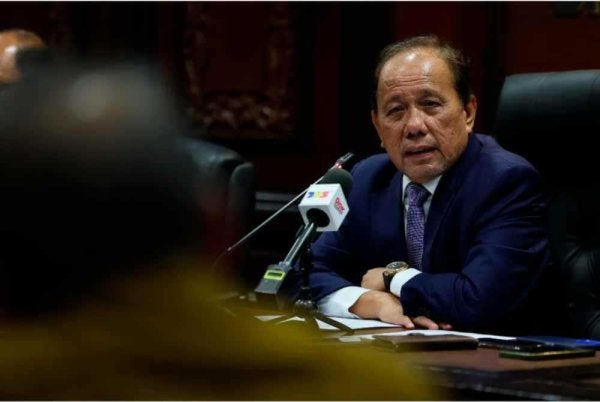

MALAYSIA’S debate over nicotine vape liquid has taken another turn. The Poisons Board has reportedly endorsed a proposal to exempt it from the Poisons List, prompting criticism from medical groups and renewed calls for the government to explain its position.
However, Health Minister Datuk Seri Dr Dzulkefly Ahmad has confirmed that nicotine vape liquid remains subject to the Poisons Act 1952 following a High Court ruling. No new exemption order has yet been gazetted.
At the heart of the debate is a distinction that is often blurred: nicotine addiction and the diseases caused by smoking.
Anyone who has tried to quit cigarettes knows how difficult nicotine dependence can be. Nicotine is addictive and is not harmless. But addiction and the illnesses associated with smoking are not the same thing.
Burning tobacco produces thousands of chemicals, including carbon monoxide and carcinogenic substances.
Exposure to these toxicants is responsible for much of the disease burden associated with smoking, including lung cancer, heart disease and chronic respiratory illness.
Nicotine sustains dependence and has its own health risks, but it is not the principal cause of most smoking-related cancers and lung disease.
That distinction underpins nicotine replacement therapy. Patches and gum deliver nicotine without exposing users to the toxic products of tobacco combustion. They are used to help smokers manage withdrawal while they quit.
Malaysia recognised this in 2022, when nicotine patches and gum used as smoking-cessation aids were exempted from the Poisons List, allowing registered products to be sold over the counter.
The Health Ministry said the change was intended to improve access to cessation support. It did not mean nicotine itself was harmless; it recognised that the risks of these products differ from those of cigarettes.
The same harm-reduction argument is relevant to nicotine vape liquid, although vaping is not identical to medically approved nicotine replacement therapy and is not risk-free.
The legal position, however, is complicated. In 2023, the government exempted liquid and gel nicotine used in electronic cigarettes and vapes from the Poisons List.
The High Court overturned that decision in May 2026 after finding the exemption irrational and procedurally flawed. The government subsequently withdrew its appeal.
The Health Minister confirmed in Parliament in November that nicotine liquids and gels used in vapes were once again subject to the Poisons Act.
The Poisons Board has since endorsed a new proposal to exempt the products. But the Board’s endorsement is not itself a change in the law. A ministerial order must be gazetted before the exemption takes effect.
The government must also explain how any new exemption would operate alongside the Control of Smoking Products for Public Health Act 2024 (Act 852).
The Act regulates smoking products, including vapes, and prohibits their sale, purchase and use by people under 18. It also provides for product registration and controls on advertising, promotion and sales.
These safeguards matter, but they do not make youth access or enforcement problems disappear.
Two groups must be considered. The first is young people and non-smokers, who should not be encouraged to vape. The second is adults who already smoke and are trying to quit.
A 2026 update to the Cochrane review found high-certainty evidence that nicotine e-cigarettes helped more people stop smoking for at least six months than nicotine replacement therapy.
The researchers also stressed that longer and larger studies are needed to assess safety fully. The findings relate to regulated nicotine products, not illicit liquids or products containing other substances.
For adult smokers, the potential benefit depends on switching completely from cigarettes. Using both products does not remove the harms of continued smoking. Vaping should not be promoted as harmless, nor should it displace established cessation support.
A narrowly defined exemption, limited to products regulated under Act 852, could provide legal clarity while preserving safeguards but the government must explain how it would prevent youth access, ensure product standards and enforce restrictions.
It should publish evidence on youth vaping and adult smoking trends so the public can assess whether the policy is working.
Smokers have long been told that quitting is their responsibility. That is fair. But government also has a responsibility to ensure its laws are coherent and grounded in evidence.
The debate should distinguish the risks of nicotine from the far greater harms caused by inhaling tobacco smoke, without pretending that vaping is risk-free.
Public policy should be guided by the evidence, not simply by whether a substance is labelled a poison. ‒ Nov 17, 2026
Muhammad Taufiq Ayub is a Focus Malaysia reader.
The views expressed are solely of the author and do not necessarily reflect those of Focus Malaysia.
Main image: 2Firsts