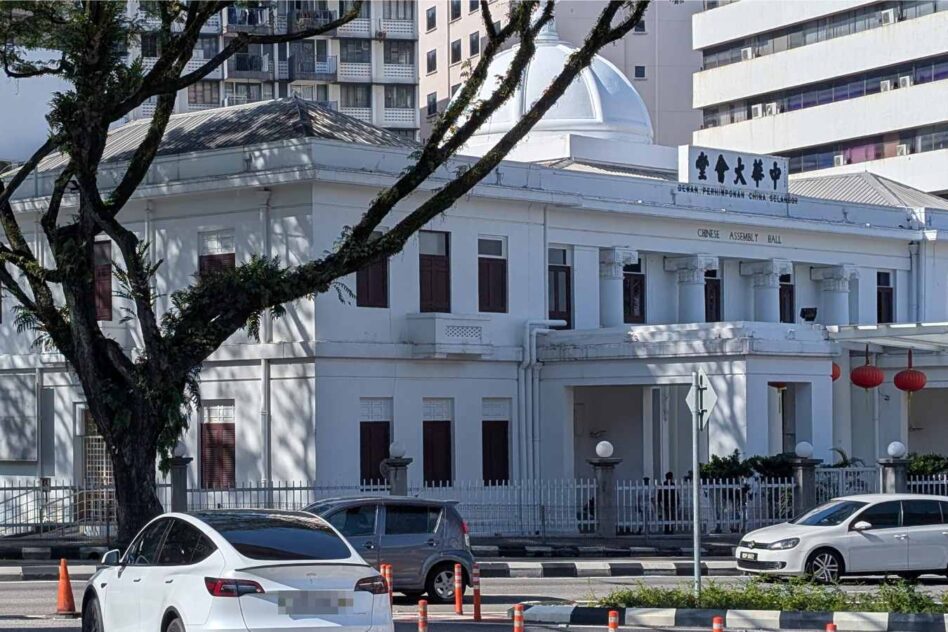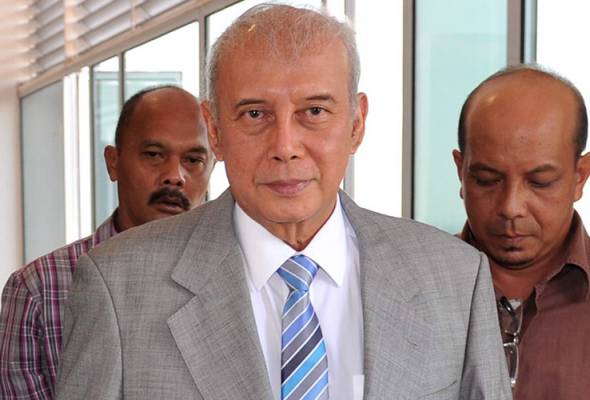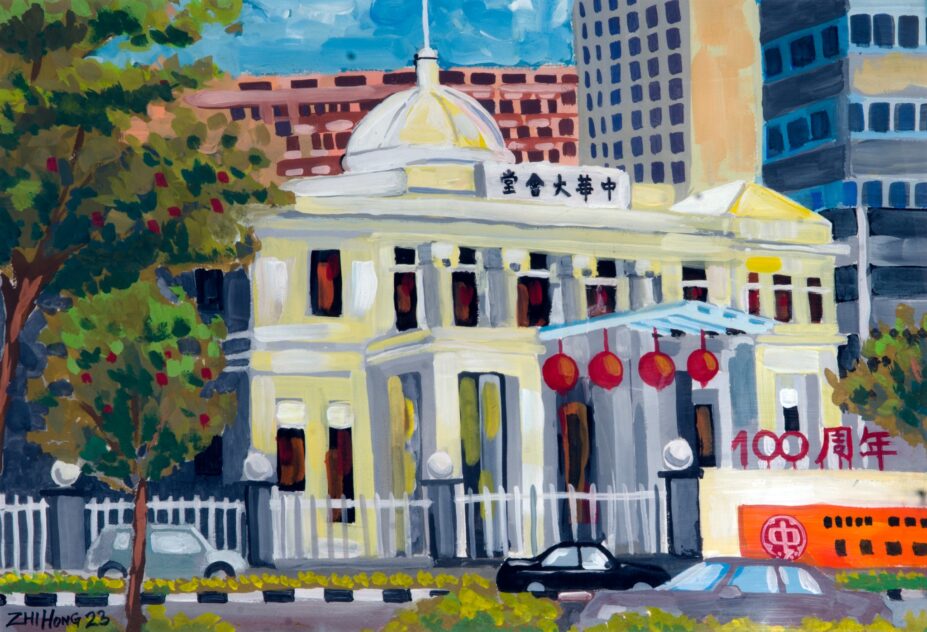

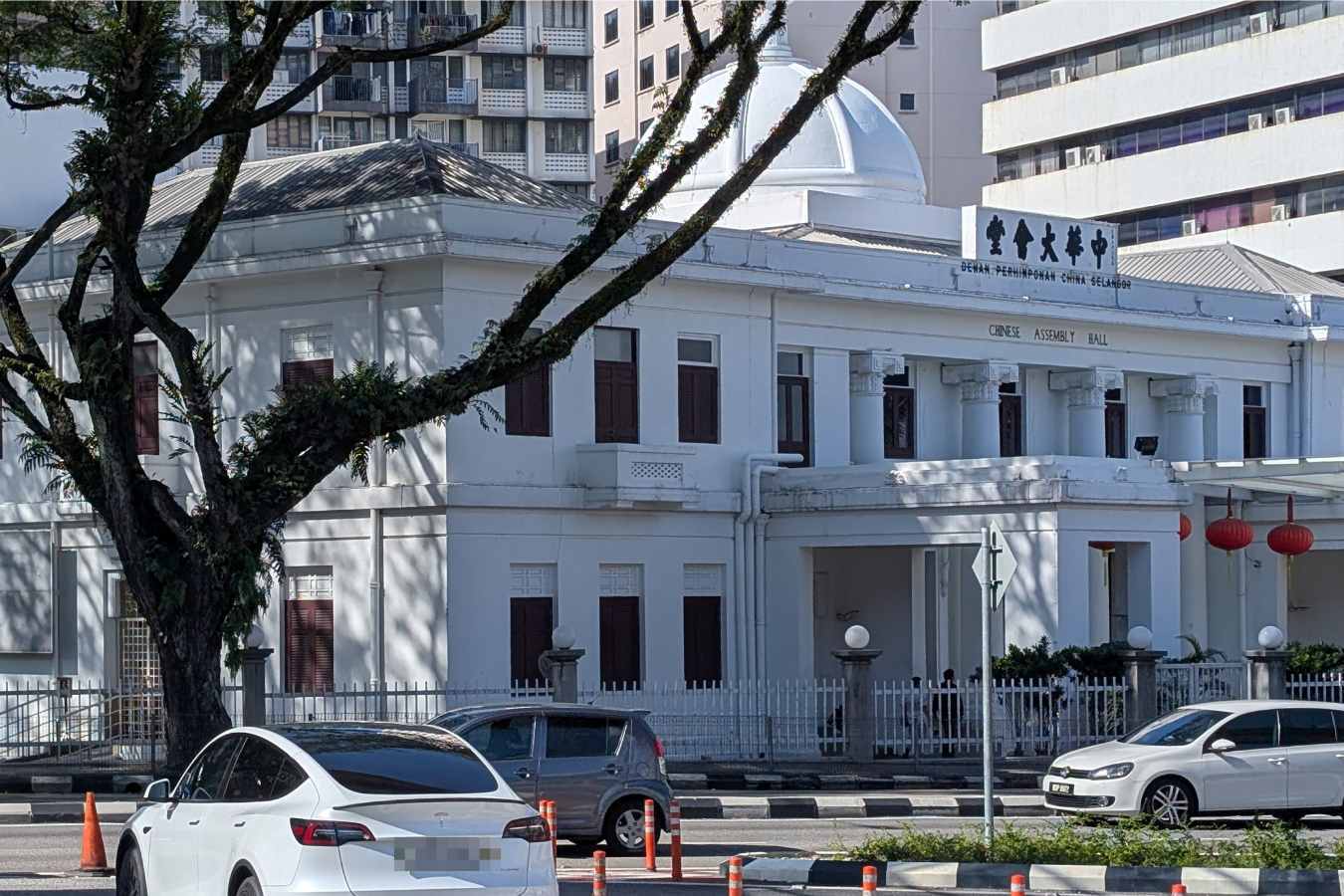
A DAP Federal Territory Kuala Lumpur leader has criticised attempts to turn the Kuala Lumpur and Selangor Chinese Assembly Hall’s (KLSCAH) land lease renewal into a racial issue, saying the historic building represents a shared chapter in Malaysia’s political history.
Its treasurer Ben Fong Kok Seng said KLSCAH played an important role in the early cooperation between the Malay and Chinese communities, including discussions between UMNO and MCA in 1952 that helped pave the way for the formation of Parti Perikatan, the predecessor of Barisan Nasional (BN).
He said the building’s historical significance extended beyond the Chinese community and reflected the political cooperation that contributed to the country’s independence.
“There is considerable irony in the present controversy. A DAP minister has helped secure the long-term preservation of a building associated with the political origins of BN, while some political critics are attempting to turn the decision into a racial issue,” he said.
“Have they forgotten the significance of the very building they are now attacking the government for preserving?”
The KLSCAH building was completed in 1934 and officially opened by the then Sultan of Selangor, Sultan Alauddin Sulaiman Shah.
It was gazetted as a National Heritage building in 2007, while the National Heritage Department allocated RM500,000 for conservation works in 2008.
Fong said its preservation should therefore be viewed as a matter of national heritage rather than communal preference.
“KLSCAH may have been established by the Chinese community, but its historical significance extends far beyond that community. It is part of Malaysia’s shared political heritage, particularly the history of Malay-Chinese cooperation that helped shape our nation,” he reiterated.
The controversy follows the government’s approval of a 99-year lease renewal for the KLSCAH land at a nominal premium of RM1,000, compared with an earlier estimated premium of approximately RM4.67 mil.
Minister in the Prime Minister’s Department (Federal Territories) Hannah Yeoh said the reduction took into account the change in the land’s status from commercial to institutional use.
The restriction means the site can no longer be developed for commercial purposes, such as condominiums or shopping malls, and must be retained for institutional and heritage use.
The Federal Territories Land Committee approved the surrender and re-alienation of the land for institutional use on Sept 14. An approval letter dated Oct 1 confirmed the RM1,000 premium.
The total amount payable under the official land notice is RM5,011, including the first year’s land rent and administrative charges, while annual land rent is RM3,151.
Fong said the change in land status and restrictions on development should be considered when assessing the premium.
“As Hannah Yeoh has explained, the land’s status has changed from commercial to institutional use. It can no longer be commercially developed into condominiums or shopping malls, but must be retained for institutional and heritage purposes,” he remarked.
“The earlier estimated premium of RM4.67 mil therefore cannot be considered in isolation from the restrictions now imposed on the land. Neither is a nominal premium for an institution serving the public interest unprecedented.”
He cited the 2021 extension of the lease for Convent Bukit Nanas in Kuala Lumpur as a precedent.
Under the Tan Sri Muhyiddin Yassin administration, the school received a 60-year lease extension at a premium of RM1,000, with the land restricted to use as a government-assisted school. The total payment, including other fees, was RM2,070.
“While the circumstances of the two cases are not identical, the principle was accepted under a previous administration. Why should the preservation of a historic institution suddenly become controversial simply because the present decision was made under a DAP minister?” Fong asked.
He said the government should also consider other heritage institutions, regardless of the communities they represent.
“If there are other heritage sites or institutions deserving of similar assistance, regardless of which community they belong to, I have no doubt that the MADANI government will give them the same consideration. Preserving our national heritage should never be seen as favouring one community over another,” he added.
Fong urged political leaders to avoid using the issue to inflame racial sentiments, saying such rhetoric risked undermining the trust and understanding built between Malaysia’s communities.
As the country approaches the 70th anniversary of Merdeka in 2027, he said Malaysians should reflect on their shared history and the cooperation that helped build the nation.
“Malaysia’s history belongs to all Malaysians. It should not be rewritten or selectively forgotten for political convenience,” he said.
Main image: Citizens Journal