
HONG Leong Investment Bank (HLIB) recently hosted site visits to two of IHH’s hospitals in the Klang Valley, namely Pantai Hospital Kuala Lumpur (PHKL) and Prince Court Medical Centre (PCMC).
“We gathered that PHKL’s primary competitive advantage in the private hospital sector lies in its operation of one of the leading cancer care centres in the country, which is also the largest contributor to PHKL’s revenue,” said HLIB.
Equipped with the latest medical technology, such as the AI-driven adaptive radiotherapy system Ethos, and supported by a team of experienced medical professionals, its cancer care centre differentiates itself further through its multi-year track record in conducting Phase 2B and Phase 3 clinical trials, handling 35-45 trials per year.
This places PHKL just behind the National Cancer Institute and select university hospitals in terms of clinical trial activity.
Although clinical trials are not revenue-generating, they significantly enhance the centre’s reputation, as participating doctors are frequently published in prestigious international medical journals, attracting prospective patients to use PHKL inpatient services.
To create synergy within IHH’s Malaysia network, PHKL plans to leverage its in-house system to expand clinical trial participation across other group hospitals, further strengthening IHH’s reputation in cancer care.
“Following our visit, we identified two key differentiating factors of PCMC,” said HLIB. Firstly, PCMC targets the high-end market, offering concierge services such as valet parking, multilingual interpreters (Japanese, Mandarin, Indonesian, and Arabic), executive chefs from five-star hotels, and all rooms are single rooms designed for privacy.
Secondly, PCMC is distinguished by its clinical expertise, particularly in renal transplant.
It performed Malaysia’s first private renal transplant in 2009 and has since built a robust, multidisciplinary system comprising nephrologists, transplant surgeons, anaesthetists, urologists, surgery nurses, transplant coordinators, dietitians, and dedicated nephrology ward nurses – all specially trained in renal disease management.
To date, no other IHH hospital in Malaysia offers renal transplant services. To drive synergy within the group, PCMC is transferring its renal transplant know-how to urologists at a Penang-based hospital under IHH, enabling the potential establishment of a Centre of Excellence for renal transplant and medical tourism in Penang.
“Based on our discussions with PHKL and PCMC, both hospitals reported no slowdown in medical tourism despite the 6% SST and the ringgit’s continued strength against the Indonesian rupiah,” said HLIB.
This is in contrast with the recent results from Alpha IVF (non-rated), which suggested some impact from the abovementioned two factors.
Both hospitals attribute this resilience to the nature of their services, while IVF is a discretionary procedure, hospital services such as cancer, cardiac, and orthopaedic care are essential, making demand relatively inelastic to currency movements or taxes.
Furthermore, the ringgit isn’t the only regional currency appreciating against the IDR – other key ASEAN health tourism destinations, including Singapore and Thailand, have seen similar currency strength.
“Moreover, Malaysia’s pricing remains competitive even after factoring in SST and forex movements, based on our analysis in our 2026 Healthcare Outlook report,” said HLIB.
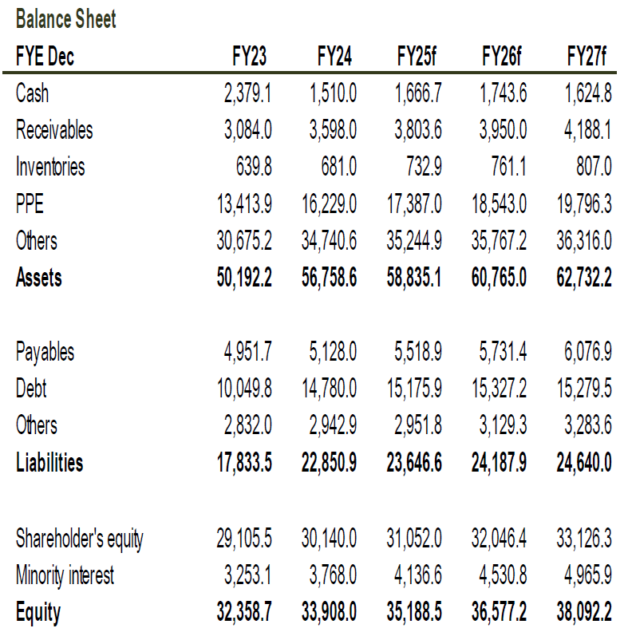
All in, HLIB maintains their BUY call on IHH, underpinned by positive organic and inorganic growth prospects and its strong strategic positioning to capitalise on the silver economy megatrend, particularly population ageing.
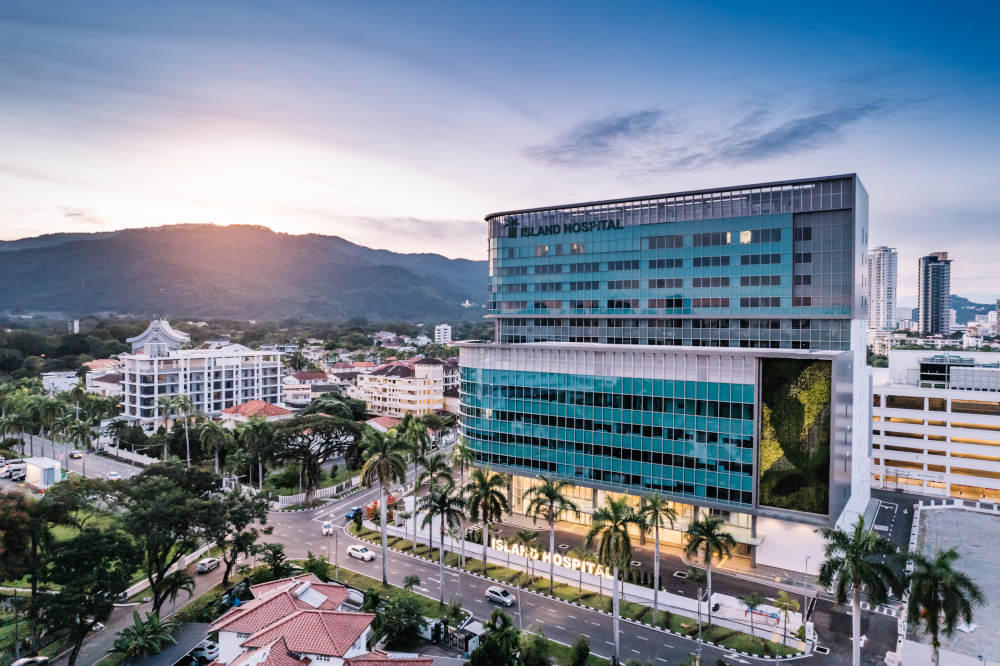
Additional catalysts include the anticipated IPO-led re-rating of its Malaysian operations and Malaysia’s Year of Medical Tourism 2026. Notably, IHH’s Island Hospital was awarded the prestigious Flagship Medical Tourism Hospital (FMTH) 2025 in Dec-25. —Feb 9, 2026
Main image: IHH Healthcare