

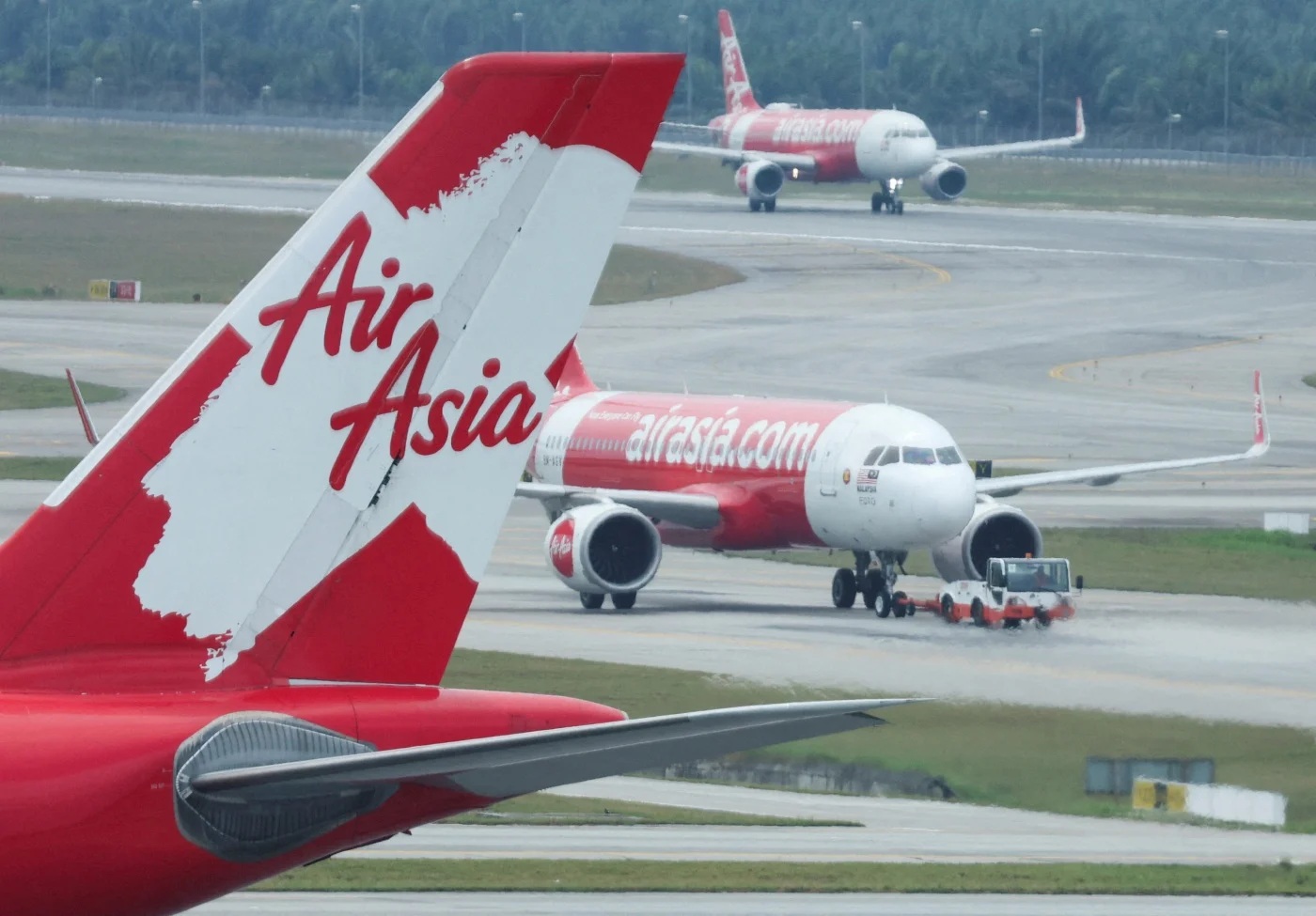
FOLLOWING A recent briefing by AirAsia X Bhd (AAX), we feel more reassured about the Group’s short-term prospects despite the sharp spike in jet fuel prices caused by the Iran war.
Confidence is underpinned by resilient travel demand, even as the airline introduces fuel surcharges to offset rising costs linked to the West Asian conflict.
To cushion the impact of elevated fuel prices, AAX has rolled out several cost-management initiatives, including trimming capacity, improving fleet maintenance efficiency and refining its route network strategy.
Since the conflict erupted on Feb 28, crude oil prices have surged to around USD118 per barrel. This has driven jet fuel prices sharply higher—from about USD90 per barrel before the Middle East tensions to roughly USD200 per barrel currently.
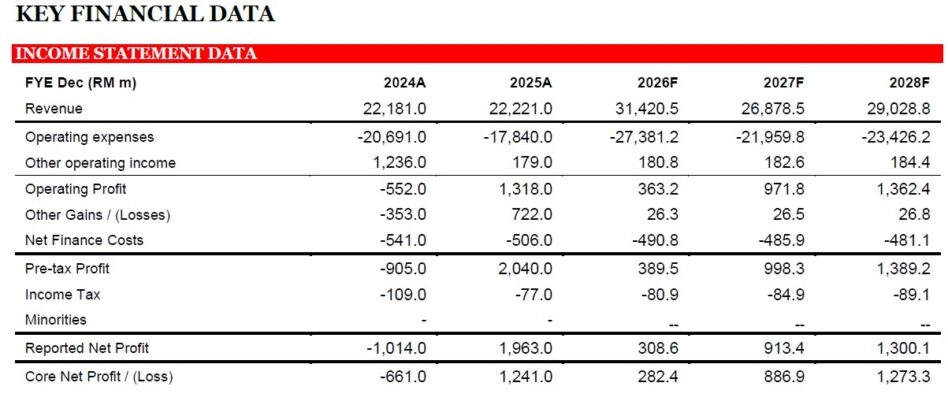
“Worse, the “crack spread” or the cost of refining crude oil into jet fuel has surged over 350% year-on-year (YoY) due to a convergence of severe supply disruptions and the fuel’s unique storage and refining constraints,” said Public Investment Bank (PIB).
AAX remains unhedged against fuel price surges, leaving it exposed to the sharp rise in jet fuel costs caused by the ongoing conflict in the Middle East.
To combat this, the airline is using a combination of fuel surcharges and fare increases. Depending on route economics and destination, fuel surcharges have increased by approximately 20%, while overall airfares have climbed 30-40%.
“With fuel representing 20-40% of its operating expenses, these steps are essential to safeguard profit margins,” said PIB.
AAX has also implemented several countermeasures to manage costs and maintain operations, including capacity reduction, network optimisation, operational efficiency improvement, leveraging connectivity and natural hedging.
The airline cut approximately 10% of its flight capacity, mainly by reducing frequency for lesser-performing routes and combining flights without affecting connectivity, a move driven by the conclusion of the Raya festive season and partly by cost management considerations.
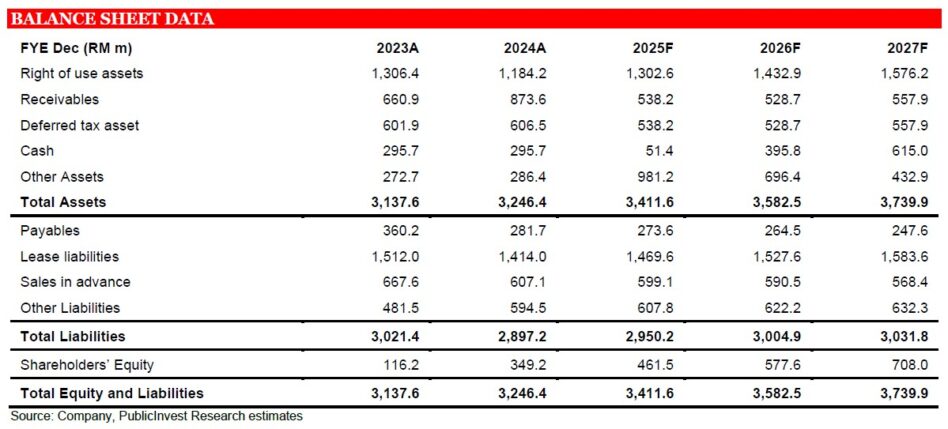
On network optimisation, AAX is reallocating capacity to stronger-performing routes.
“The airline is also using this opportunity to optimise fleet utilisation and accelerate the replacement of older aircraft with more fuel-efficient models,” said PIB.
Additionally, AAX leverages its “Fly-Thru” connectivity via Kuala Lumpur and Bangkok to maximise passenger loads and efficiency. Finally, the company is banking on strengthening ASEAN currencies to act as a natural buffer against USD-denominated fuel expenses. —Apr 10, 2026
Main image: Reuters