
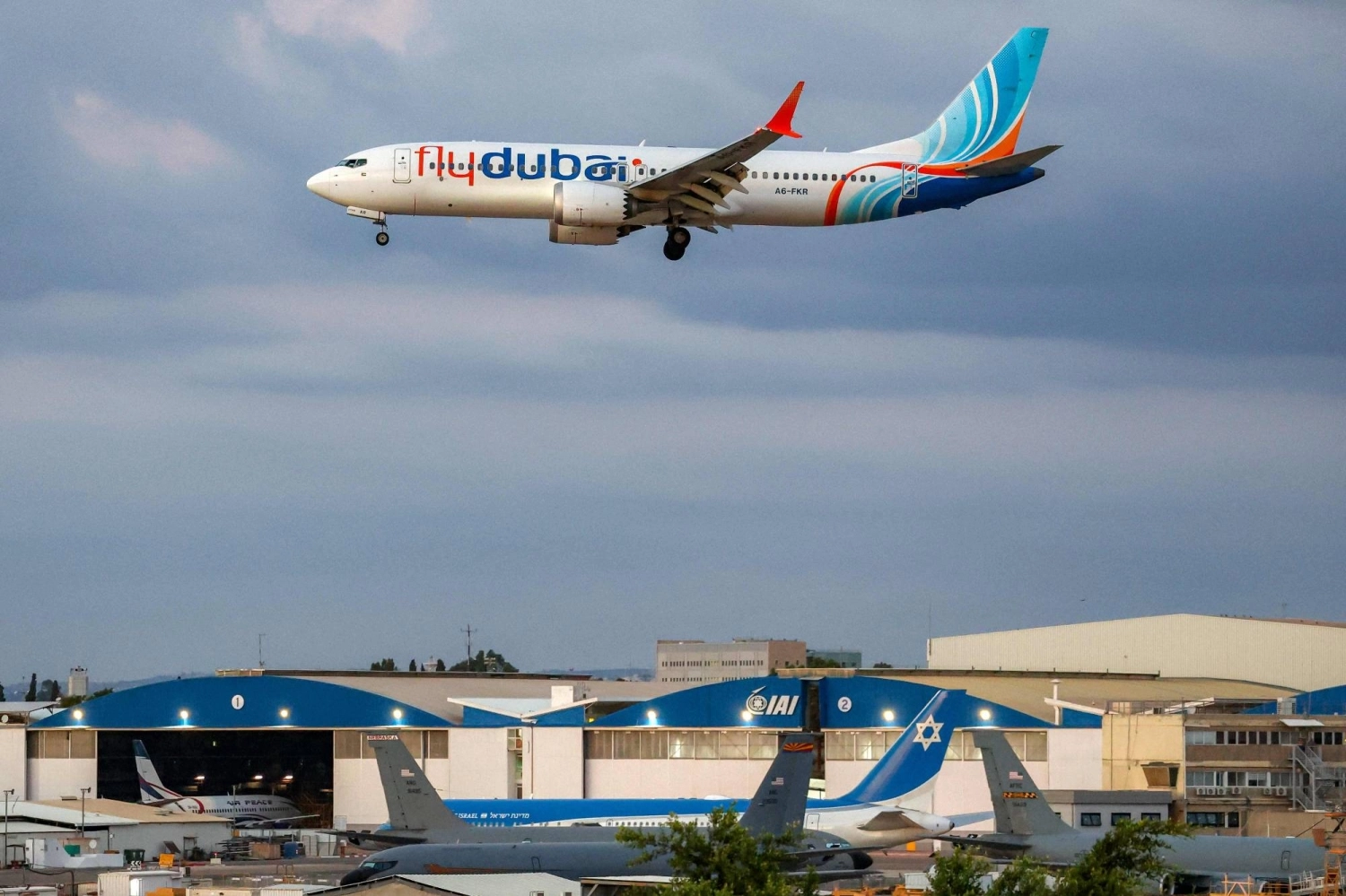
THE reported cockpit attack aboard a Flydubai aircraft on Sept 30 has highlighted a dimension of aviation security that deserves renewed attention: the possibility of an aircraft’s own flight crew becoming a source of danger to passengers and fellow crew members.
Flydubai flight FZ1073, travelling from Dubai to Tel Aviv, experienced a violent cockpit incident in which the co-pilot allegedly attacked the captain.
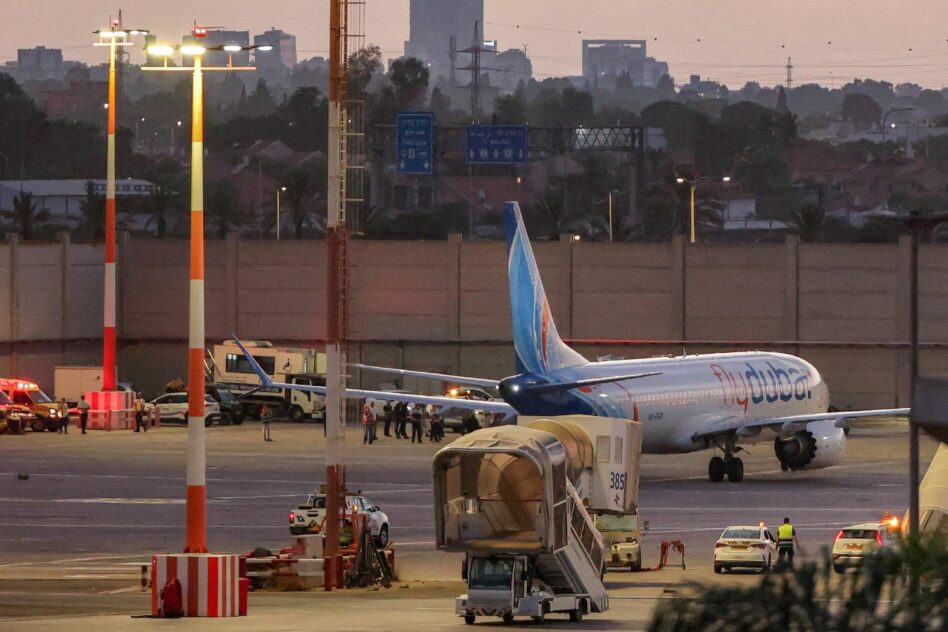
The aircraft subsequently descended more than 14,000 feet in about 30 seconds before the situation was brought under control and the plane diverted to Tabuk, Saudi Arabia.
Passengers and crew intervened, while additional pilots aboard the aircraft helped stabilise the aircraft before landing.
The precise circumstances remain under investigation. Flydubai has urged against premature speculation, while reports have differed over the nature of the weapon and whether the incident constituted an attempted hijacking.
Nevertheless, the episode raises important questions about cockpit protection, personnel security, airline safety management and the responsibilities of aviation regulators.
From 9/11 to the Flydubai incident
The Sept 11, 2001 terrorist attacks fundamentally transformed global aviation security. The hijackers exploited weaknesses in passenger screening, intelligence coordination and cockpit protection to seize four commercial aircraft.
The aftermath brought reinforced cockpit doors, tighter passenger and baggage screening, greater intelligence sharing and changes to crew security procedures.
These measures were designed primarily to prevent external actors from gaining access to the flight deck.
The Flydubai incident presents a different challenge. In this case, the alleged attacker was an authorised member of the flight crew already inside the cockpit.
That distinction does not make existing cockpit security measures less important. Rather, it demonstrates that reinforced doors cannot by themselves address every possible threat to an aircraft.
The aviation industry already recognises this problem as the insider threat. The International Civil Aviation Organization (ICAO) defines aviation insiders as employees, contractors and other personnel whose authorised access or knowledge could potentially be exploited to facilitate unlawful interference.
Such threats can involve deliberate acts, coercion, negligence or vulnerabilities that compromise security.
How did the object enter the cockpit?
One of the questions arising from the Flydubai incident concerns the object allegedly used in the attack.
Early reports have referred to a knife or an axe, but the precise weapon has not been conclusively established.
Some reports have pointed out that a crash axe or similar equipment may be authorised equipment carried aboard commercial aircraft, meaning its presence would not necessarily indicate that airport screening had failed.
Consequently, it would be premature to conclude that Dubai airport security procedures were breached.
Investigators will need to establish what object was involved, whether it was authorised operational equipment, how it was accessed and whether any existing security procedures were circumvented.
This raises a broader regulatory question: should aviation personnel be subject to security procedures that differ from those applied to ordinary passengers because they possess professional credentials?
Professional qualifications establish operational competence. They should not automatically amount to an exemption from appropriate security controls.
Airlines therefore need to consider personnel screening, restricted-area access, equipment management, recurrent assessments and confidential reporting mechanisms.
Such measures must remain evidence-based and avoid nationality-based or other inappropriate profiling.
Protecting passengers and flight crews
Passengers and crew aboard FZ1073 reportedly played a significant role in bringing the situation under control. Their intervention may have prevented a much more serious outcome.
But passenger intervention cannot become an informal substitute for professional aviation security.
Airlines should ensure that cabin crew and flight crews have clear procedures for dealing with violent incidents, pilot incapacitation and other emergencies affecting the flight deck.
Training should include realistic scenarios involving cockpit violence, incapacitation and the need to establish communication between the cabin and flight deck.
Cockpit security arrangements should also incorporate appropriate emergency communication and access procedures while protecting the flight deck from unauthorised interference.
Pilot protection requires a broader approach as well.
Confidential reporting systems can give colleagues a means to raise legitimate safety concerns involving threatening behaviour, workplace conflict or other circumstances that could affect operational safety.
Psychological support, professional assessments and recurrent competency evaluations can complement existing aviation medical requirements.
The objective should not be to create a system in which pilots are treated as suspects. It should be to identify genuine risks before they become emergencies.
What Malaysia should consider
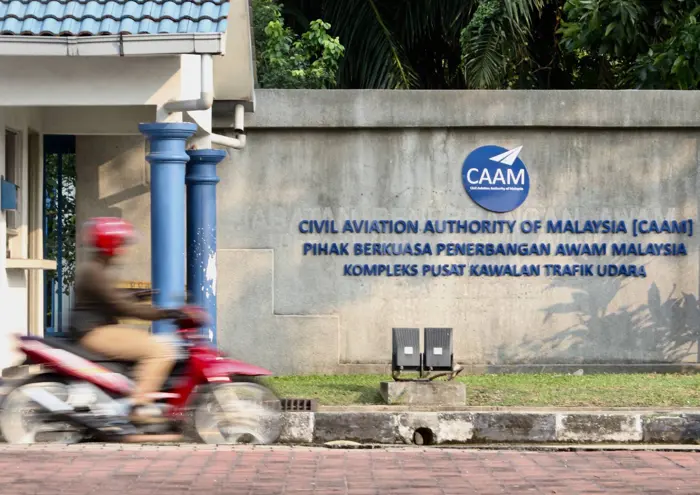
For Malaysia, the incident provides an opportunity to review existing aviation-security arrangements rather than wait for a similar event to occur.
The Civil Aviation Authority of Malaysia (CAAM), Transport Ministry, airport operators, airlines and relevant enforcement and intelligence agencies have complementary responsibilities in aviation safety and security.
CAAM could review existing arrangements covering cockpit protection, personnel security, restricted-area access and airline emergency-response procedures.
Malaysia Airports should examine access controls, employee identification, surveillance and the management of contractors and operational equipment within restricted areas.
The Transport Ministry could facilitate structured information-sharing between airlines, airport operators, enforcement agencies and international aviation authorities.
Airlines, meanwhile, could conduct scenario-based exercises involving internal cockpit violence, pilot incapacitation and emergency diversion.
Malaysia could also consider developing a more integrated aviation insider-threat framework, incorporating confidential reporting, consistent security assessments and independent regulatory audits.
Any such framework should protect aviation professionals from arbitrary profiling while ensuring that legitimate security concerns receive appropriate attention.
Aviation security must evolve
The Sept 11 attacks demonstrated how external threats could exploit weaknesses in aviation security. The Flydubai incident highlights another question: what happens when the alleged threat is already inside the cockpit?
The answer cannot simply be more airport screening or stronger cockpit doors.
Aviation security requires an integrated framework encompassing personnel security, intelligence, operational resilience, emergency preparedness and passenger protection.
For Malaysia, the lesson is not that aviation professionals should be treated as potential threats. It is that security systems must account for the full range of risks, including those involving authorised personnel.
Passenger safety should not depend on extraordinary acts of courage by ordinary travellers.
It should be supported by professional safeguards, effective regulation, robust reporting mechanisms and institutional preparedness.
As aviation threats evolve, the cockpit must remain not merely a secured compartment, but a protected working environment for everyone whose life depends upon it. ‒ Oct 2, 2026
R. Paneir Selvam is Principal Consultant at Arunachala Research & Consultancy Sdn Bhd (ARRESCON), a think tank specialising in strategic national and geopolitical analysis.
The views expressed are solely of the author and do not necessarily reflect those of Focus Malaysia.
Main image: AFP/JIJI via The Japan Times