

WHEN Madam Tan Chiew Mei was diagnosed with breast cancer during pregnancy, she cried through the night. Pregnant with her second child and already a mother to a young daughter, she wondered who would care for her child if she were no longer around.
Then she focused on two things: “I want to get it treated. And I want to keep my baby.”
Madam Tan, then 37, had discovered a hard breast lump. An initial ultrasound reassured her, but a second assessment two weeks later found it had grown. A biopsy confirmed triple-negative breast cancer, the type she had feared after reading about it online.
Chemotherapy began within days. Amid appointments and treatment decisions, knowing what to ask her doctors proved less straightforward.
What if I do not know what to ask?
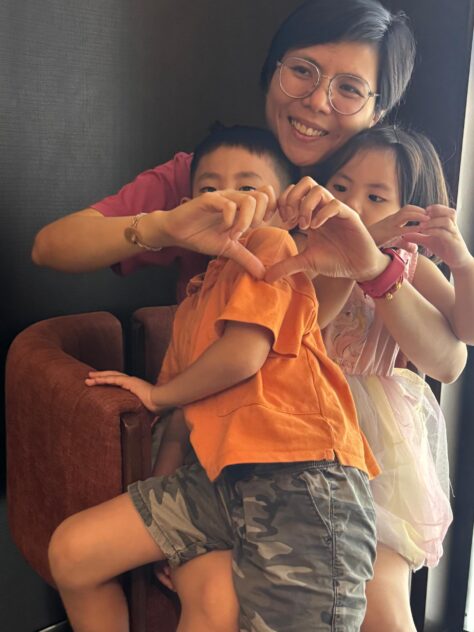
Madam Tan was not shy about speaking up, but often drew a blank when doctors invited questions.
“I just didn’t know what to ask,” she recalled.
She trusted her doctors with major treatment decisions but learned to ask about everyday concerns, from itchy skin to sore gums. Looking back, she encourages patients to raise even seemingly minor symptoms rather than dismiss them.
Consultant clinical oncologist Dr John Low Seng Hooi of OncoCare Malaysia says breast cancer during pregnancy requires careful coordination between the oncology team, obstetrician and breast surgeon.
Treatment choices depend on the cancer’s type and stage, the pregnancy’s progress and the patient’s circumstances. Some treatments can be given during pregnancy, while others must wait until after delivery because of potential risks to the baby.
Dr Low encourages patients to ask what their treatment aims to achieve, why it is recommended, how long it may take, what side effects to expect and which symptoms require attention.
“There are no questions that you cannot ask your treatment team,” he said.
How will treatment affect everyday life?
For Madam Tan, one of the hardest moments came after childbirth. Following an induced delivery, she underwent surgery the next morning.
“I felt very emotional, when I realised how difficult it had been to get to this point, and the journey was not over yet,” she recalled.
She now had a newborn and an older daughter to care for, with more chemotherapy ahead. She also could not breastfeed her son during chemotherapy.
Although she could eat without vomiting, other side effects were difficult. She lost her hair and experienced leg pain and tingling that made walking difficult, alongside sore gums and itchy skin.
Oncology nurse educator Norhaniza Mohd Rashid says patients often think of additional questions only after leaving consultations, when they begin considering how treatment will affect life at home.
She tries to involve caregivers in pre-chemotherapy briefings because patients may struggle to remember everything they are told. She also encourages patients to contact their treatment team about concerns between appointments.
Questions may range from whether they can hug their children to how they should manage precautions at home. Patients should ask their team about medication-specific precautions, symptoms requiring urgent attention and whom to contact outside office hours.
Norhaniza also offers practical advice tailored to individual needs, such as eating smaller, more frequent meals when appetite is poor or recognising energy limits when trying to continue working.
Who can help when things feel overwhelming?
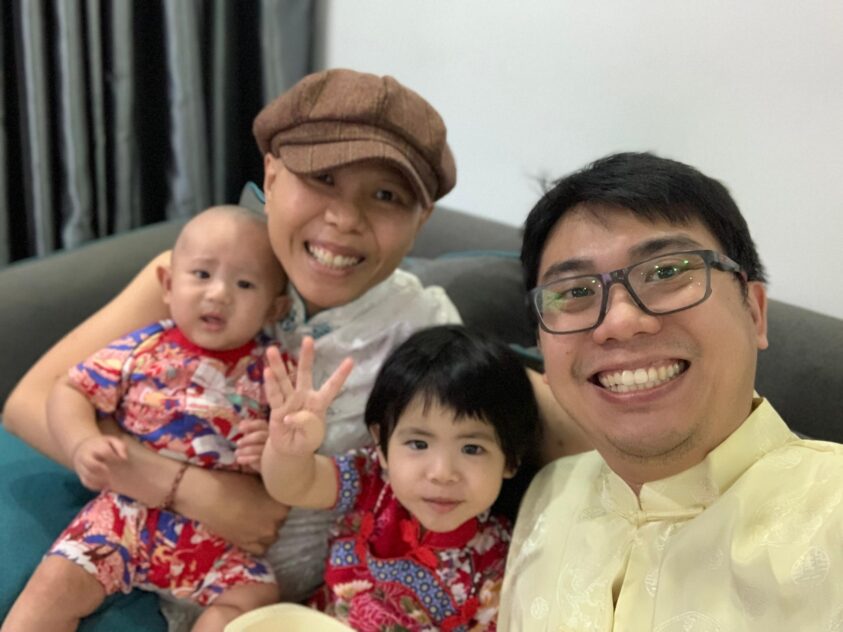
Madam Tan had support from her husband, mother and siblings, who helped with appointments, meals and childcare. Her employer also checked the company’s prolonged illness leave policy, allowing her to take time off work.
“Whenever there was a doctor’s appointment, the whole village would come to my house,” she recalled.
She found distraction in Korean dramas and light household chores when she felt able. Conversations with other patients in waiting areas also helped her feel less alone.
But coping did not mean she was always positive. Norhaniza encourages patients to find manageable activities they enjoy, while taking time to listen when they feel unable to do so.
“We need to listen with no rush,” she added.
Dr Low says patients should also feel able to discuss fears about suffering and survival. Although doctors can explain likely outcomes based on the cancer and its response to treatment, they cannot predict an individual’s future with certainty.
What comes after treatment?
Now a mother of three, Madam Tan continues to attend follow-up appointments and says her checks have been clear so far. If concerns arise, her approach is to “deal with it as it comes”.
She also wishes she had sought medical advice sooner after discovering her lump rather than waiting for her next pregnancy appointment.
Her advice to other women is not to take their health for granted, to pay attention to breast changes and to seek medical assessment promptly rather than delaying concerns.
For someone newly diagnosed, her experience offers a simple reminder: there is no perfect list of questions to prepare. Patients can begin with what matters most, whether it is a symptom, childcare, work or a worry they cannot quite explain.
Her advice is straightforward: “Just ask whatever. Don’t feel shy to ask.” ‒ Oct 13, 2026
Main image: Pexels/Michelle Leman