
TOURISM remains one of Malaysia’s most important economic sectors. According to the latest Tourism Satellite Account, the industry generated RM291.9 bil in economic value in 2024, contributing 15.1% of the nation’s GDP and supporting approximately 3.5 million jobs.
With Visit Malaysia 2026 fast approaching, there is every reason to expect tourism’s contribution to grow further.
However, achieving that goal will require more than promotional campaigns and branding exercises. It will also require practical support for the businesses that keep the industry moving.
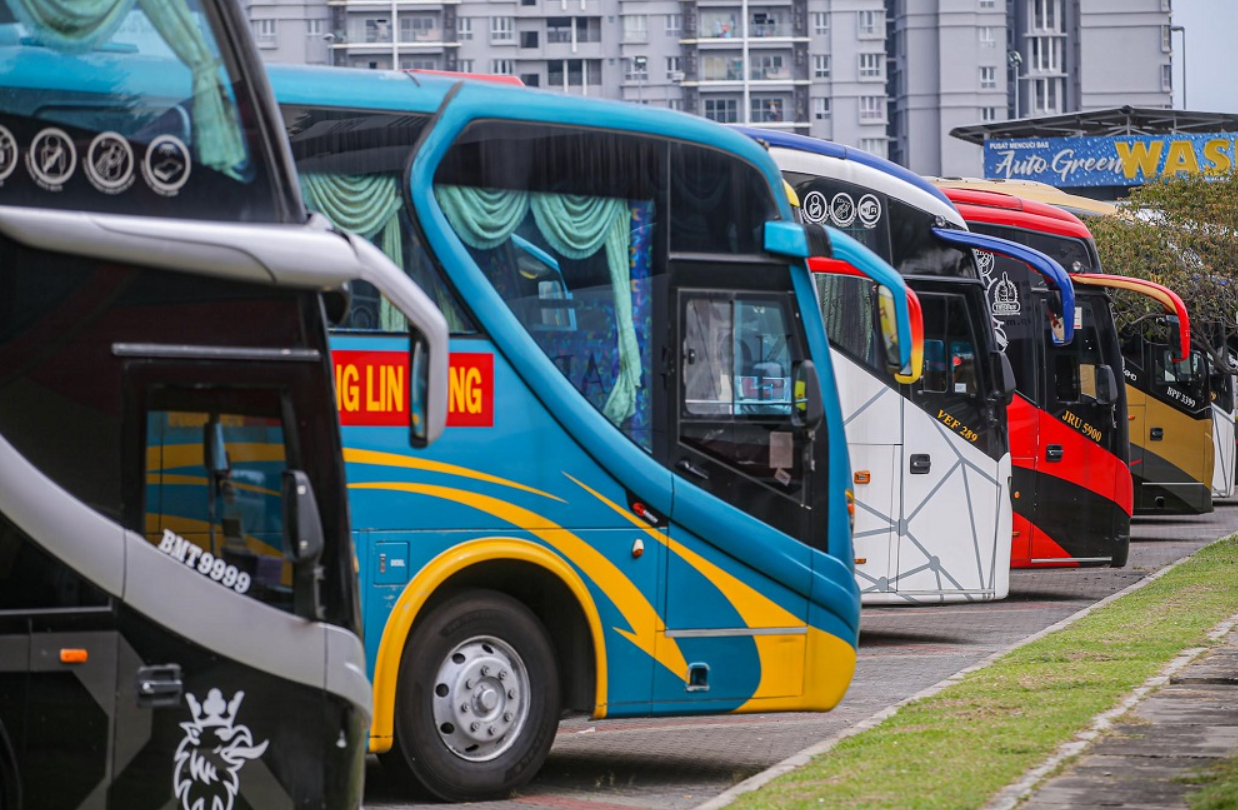
One group that continues to face challenges is tour bus operators.
When the Subsidised Diesel Control System (SKDS) was introduced in 2024, tour bus operators were excluded despite playing a critical role in transporting both domestic and international tourists.
Since then, operators have had to absorb higher fuel costs while continuing to provide affordable services.
Unlike express bus operators and school bus operators, tour bus companies do not receive a dedicated subsidised diesel quota.
Yet excursion buses often clock substantial mileage as they transport visitors between airports, hotels, attractions and destinations across the country.
Providing a reasonable diesel subsidy for tour buses would help ease operating costs while recognising their contribution to the tourism industry.
Such support need not mirror the quotas provided to express or school buses, but a dedicated allocation would provide meaningful assistance to operators facing rising expenses.
More importantly, it would send a clear signal that the Government values every segment of the tourism ecosystem. Tour bus operators are often the first point of contact for visitors travelling around Malaysia. Their role in shaping the visitor experience should not be overlooked.
The government has repeatedly identified tourism as a key driver of economic growth. If so, policies should reflect that reality. A successful tourism sector depends not only on hotels, airlines and attractions, but also on the transport services that connect them.
As Malaysia prepares for Visit Malaysia 2026 and Visit Malaysia 2027, the focus should be on ensuring that all stakeholders are equipped to support the anticipated increase in visitor arrivals.
Marketing campaigns can attract tourists, but delivering a positive travel experience requires a well-supported industry on the ground. Tour bus operators form an essential part of that ecosystem and deserve consideration in future support measures.
If Malaysia is serious about achieving the objectives of Visit Malaysia 2026, practical assistance for tourism-related businesses should accompany the promotional efforts. Supporting tour bus operators would be a sensible place to start. ‒ June 11, 2026
YS Chan is a tourism, transport and training consultant.
The views expressed are solely of the author and do not necessarily reflect those of Focus Malaysia.
Main image: Malay Mail