
IS having a lavish wedding do at a premium venue and then expect the guests to foot the bill via their angpow contributions par for the course here in Malaysia or is that an entitled culture taken to the nth degree?
A post by Threader @kayyi88 about receiving instructions by the bride to top up her ang pow by RM50 to make it RM200 to cover the cost of her seat at a wedding has been trending recently.
Hints of financial stress fell on deaf ears as apparently the bride simply pointed out post-wedding dinner top up was most welcome.
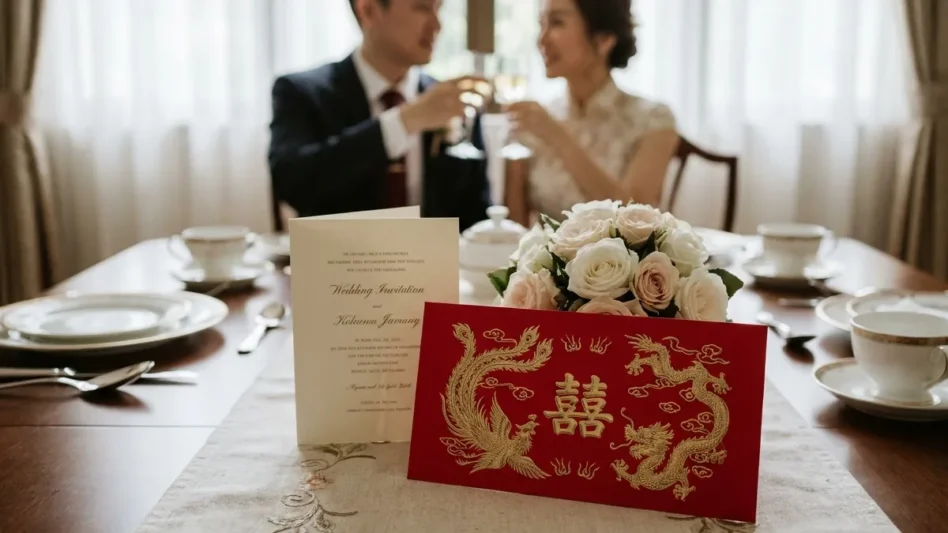
Editor’s Note: In a Chinese wedding, an angpow (literally, red packet/envelope containing money) symbolises good luck, happiness, prosperity and protection from bad fortune for the newlyweds while also helping offset wedding expenses.
Nevertheless, the quantum of angpow for the bride and groom are typically subject to the generosity of guests be they relatives or friends.
However, the trend in recent times has been to give angpow with values that reflect the prestige of the venue with some newly-weds now openly insisting on a minimum amount.
These differing expectations were also highlighted by Threader Shadow 影 (@ezlyn.s) who recounted her own wedding dinner experience.
“At Japanese and Chinese weddings, guests usually give enough to cover their seat. At Malay weddings, they aren’t expected to. So I had to explain to my Japanese husband that this was burned money. He just had to redha (acceptance),” she recalled.
View on Threads
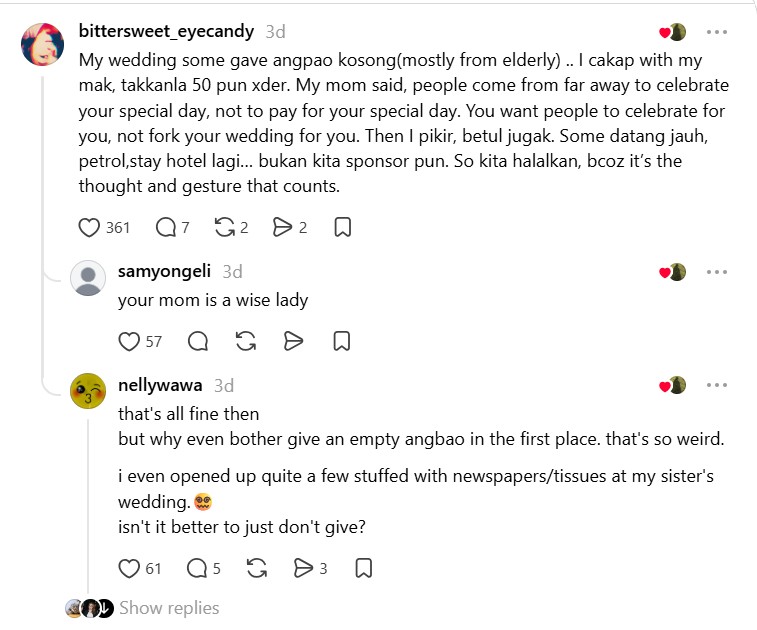
A Malay commenter also recalled receiving empty angpow packets at her wedding but puzzled that these guests could not even afford a token RM50.
That’s when her mother explained that many guests had forked out much expense for travel and lodgings to attend the wedding.
The matriarch’s wise words were “You want people to celebrate for you, not fork out for your wedding for you.”
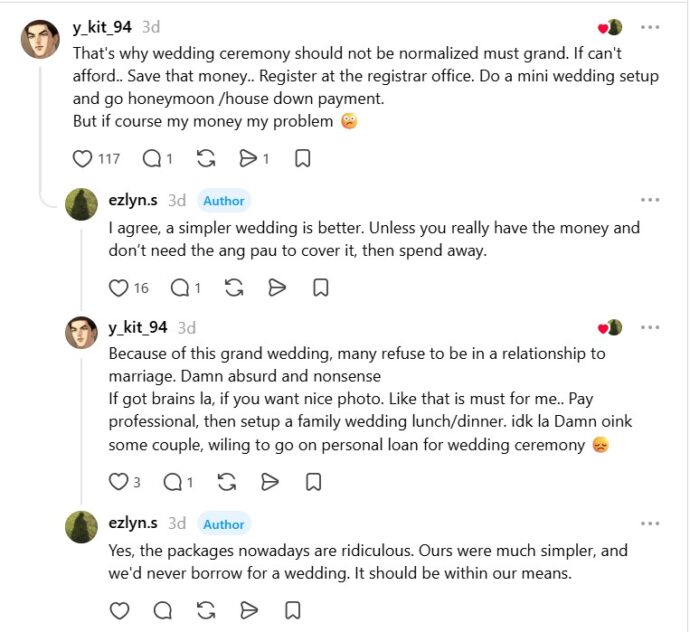
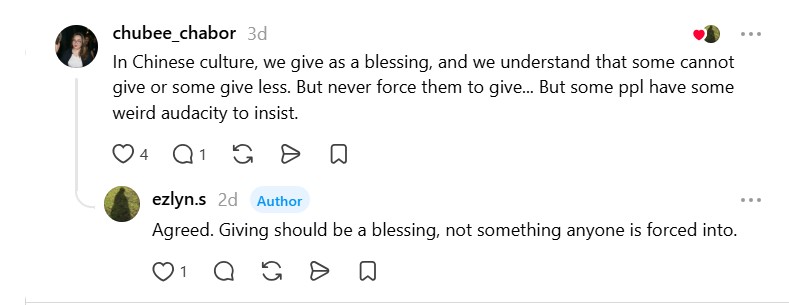
Quite a few fed-up Malaysians could not hide their contempt for the practice of throwing a lavish wedding party and expecting the guest to foot the bill. One commenter proclaimed that grand wedding ceremonies should not be normalised.
The poster agreed that a simpler wedding was better. However, the proviso was that if the happy couple were loaded and could afford to throw a lavish party at their own expense, by all means do.
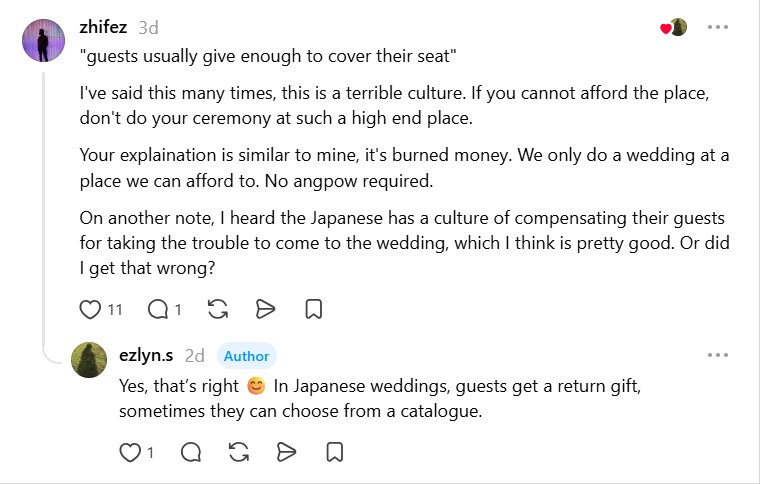
Rallying against the “guests usually give enough to cover their seats” expectation, one commenter labelled it “a terrible culture”. If one can’t afford to have a ceremony at a premium venue without the aid of angpow, then scale down.
The message was clear – have it in a venue that suits the happy couple’s budget sans any external contributions from guests.
“We only do a wedding at a place we can afford to. No angpow required,” it was proclaimed.
It was also enquired if the Japanese had a custom of returning gifts to guests as a token of appreciation for attending the event. The poster (as her spouse is Japanese) confirmed this explaining that there were even catalogues for guests to choose from.
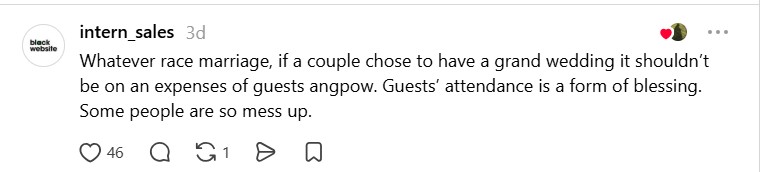
This sentiment was echoed by another observer who believed that couples – regardless of race – should NOT expect a grand wedding dinner that is sponsored by guests. “Guests attendance is a form of blessing”, it was rightly declared.
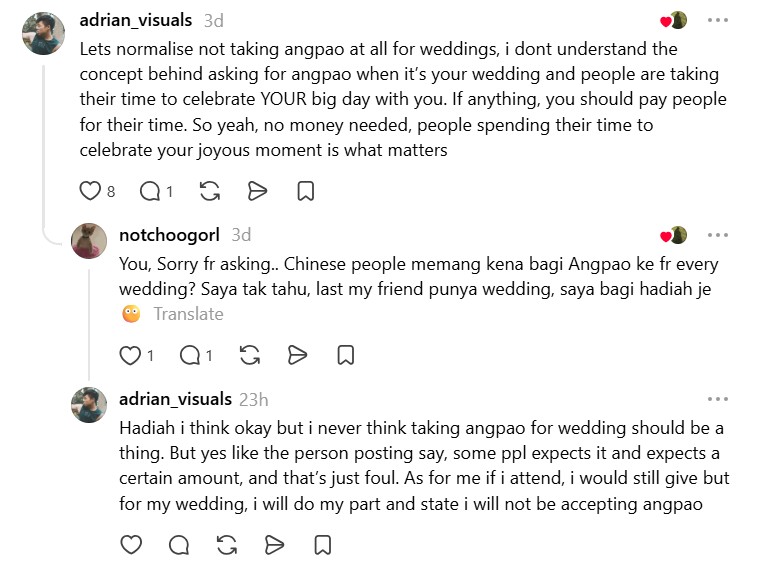
Calling for a 180 degree about turn in wedding banquet culture, one brave citizen suggested that it be normalised to NOT receive angpow for such events.
“It’s your wedding and people are taking their time to celebrate YOUR big day with you. If anything, you should pay people for their time. So yeah, no money needed, people spending their time to celebrate your joyous moment is what matters.” – Nov 20, 2026
Images credit: The Aurora Wedding